Every conversation so far, newest first. Choose an episode to listen, read the key learnings and find the resources.
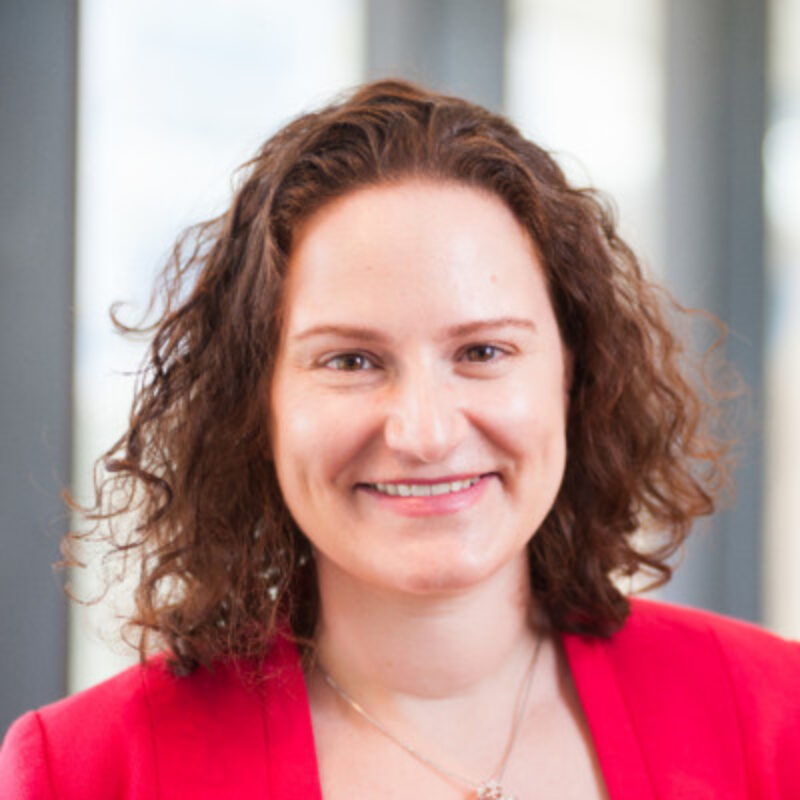
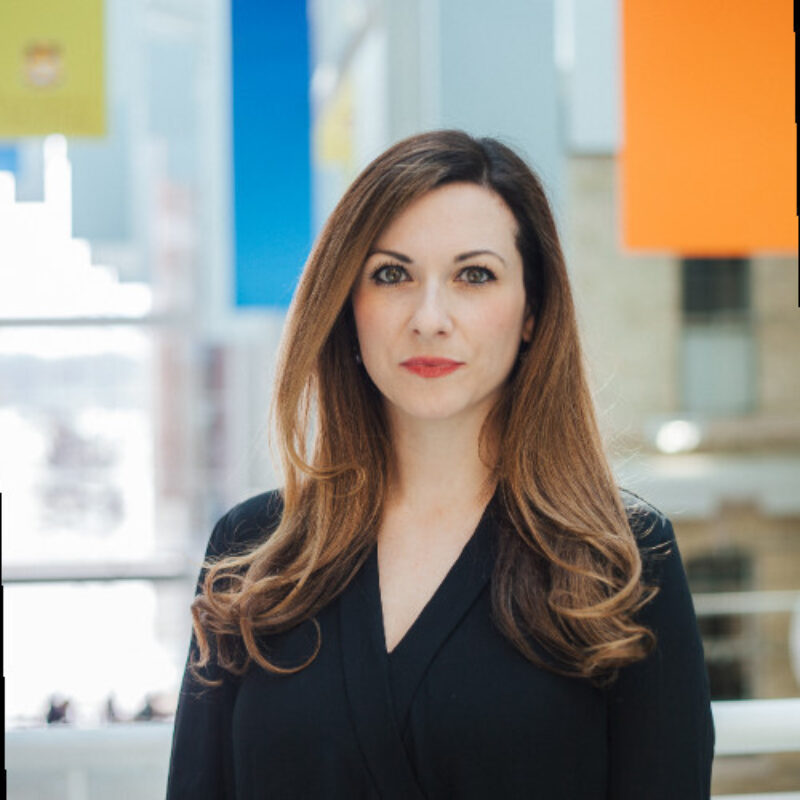
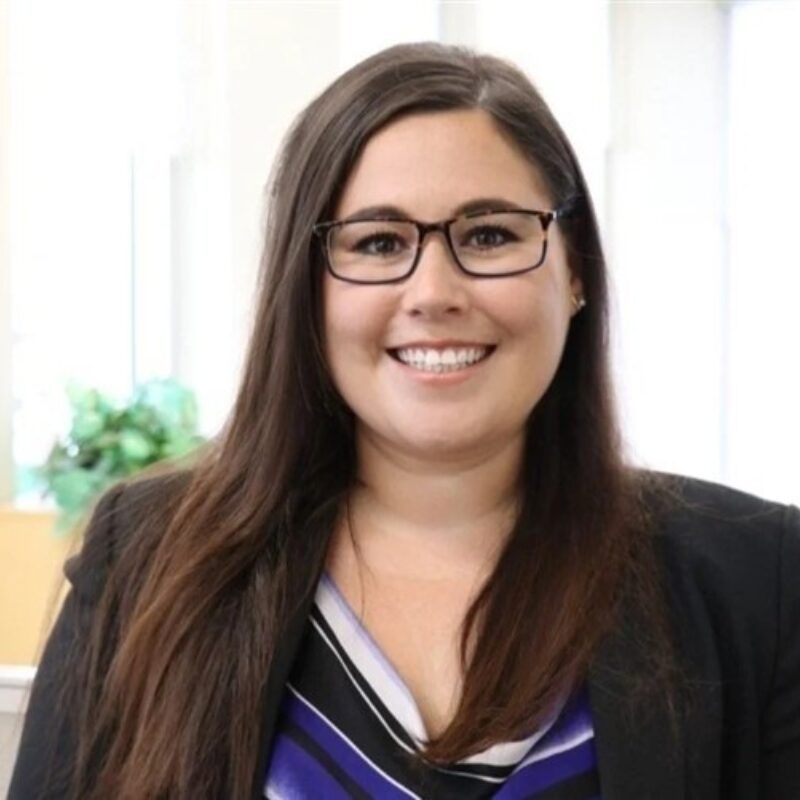
Science communicator Krista Lamb shares practical ways to explain research clearly, work with journalists, and lead with the point, closing season two.
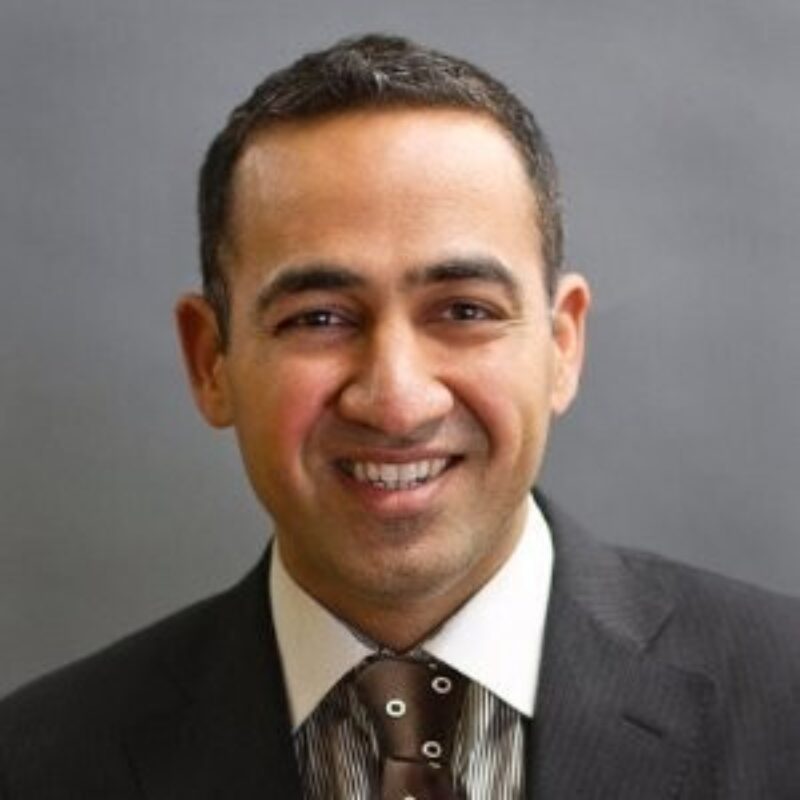
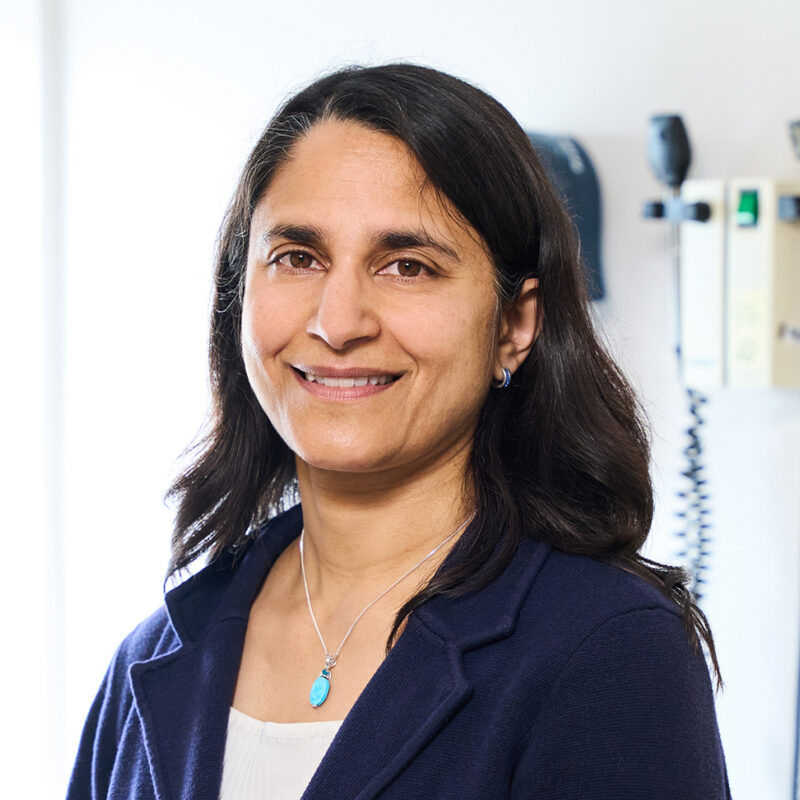
Dr. Navdeep Tangri explains how the Kidney Failure Risk Equation went from a bedside question to a tool used worldwide, and what predictive epidemiology can and cannot tell us.
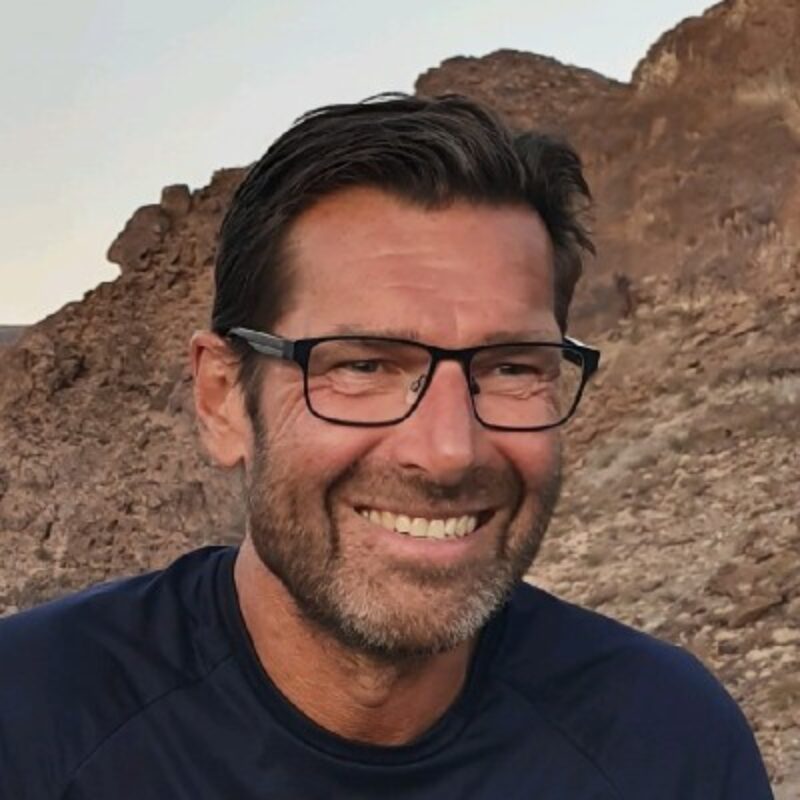
Professor Ulf Ekelund explains how pooling device measured data across cohorts showed that small increases in activity and small cuts in sitting could prevent many deaths.
Dr. Michael Narvey shares how a neonatologist became a trusted voice on social media, and how clinicians and researchers can spot misinformation and communicate evidence well.
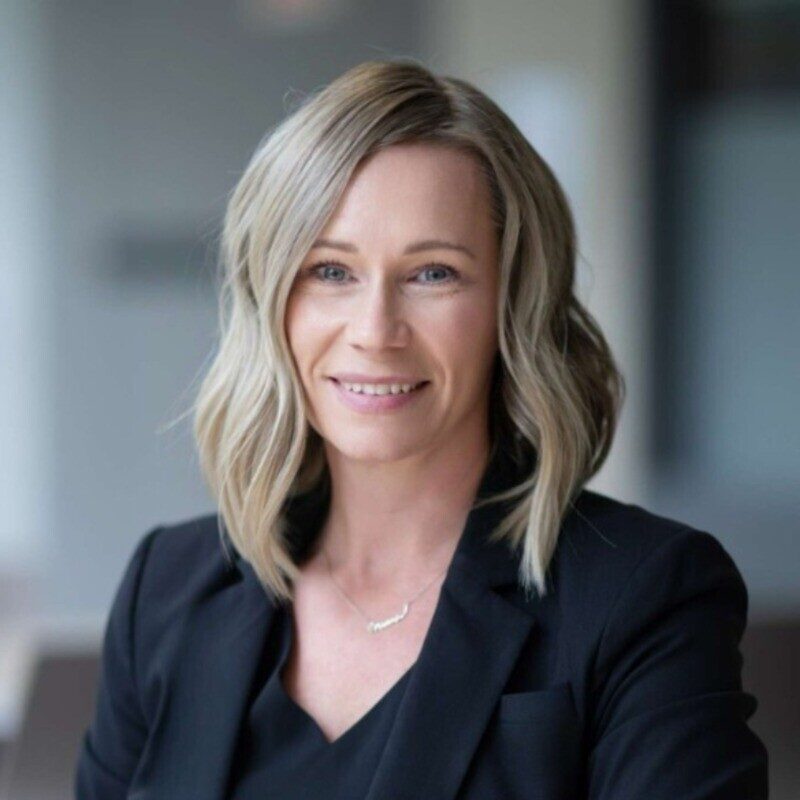
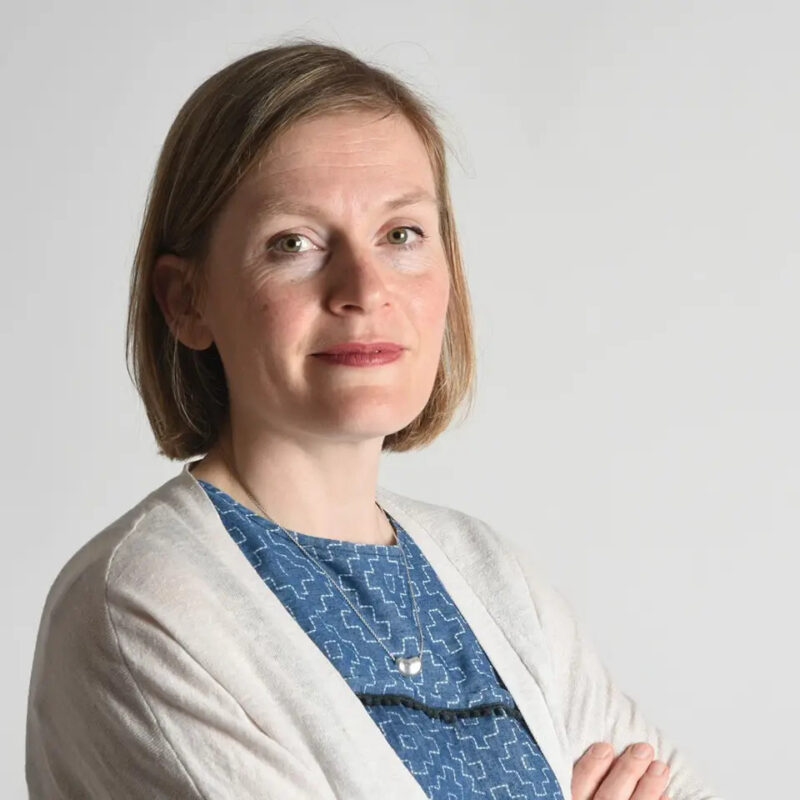
Dr. Tara Horrill explains how critical ethnography revealed the health system barriers that keep structurally marginalized people from cancer care, and what could change.
Dr. Ashley Stewart-Tufescu makes the case for starting with the question and using whatever methods it needs, drawing on her research with children and youth on adversity and wellbeing.
Dr. Hertzel Gerstein shares how questions from the bedside grew into global diabetes trials, and what it takes to design, run and learn from large clinical trials.
Dr. Jeremy Grimshaw explains why good evidence rarely changes practice on its own, and how implementation science uses theory and cluster trials to close the gap.
Professor Deborah Lawlor explains how triangulating evidence from studies with different sources of bias strengthens causal inference in epidemiology.
Dr. Claire Boone shows how natural experiments, from text message nudges in Chile to sugar rationing in postwar Britain, can answer causal questions when trials are not possible.
Dr. Jennifer Walker explains how First Nations data governance changed health research in Ontario, and why the questions asked of data must come from the communities they describe.
Dr. Eric Benchimol explains what administrative health data can and cannot tell us, why validation and transparent reporting matter, and what it revealed about IBD in Canada.
Dr. Romina Brignardello-Petersen explains how to plan and run a rigorous systematic review, and how GRADE rates how certain we can be in the evidence.
Dr. Lauren Kelly explains why children and pregnant people need their own trials, how to choose outcomes that matter to families, and how new designs and networks make trials more feasible.
Dr. Sonia Anand shares how SHARE, INTERHEART, PURE and the START birth cohort were built, what they revealed about ethnicity and heart disease, and why codesign now shapes her work.
Professor Rosie McEachan explains how Born in Bradford built a representative birth cohort with its community, linked routine data, and turned findings into city wide change.
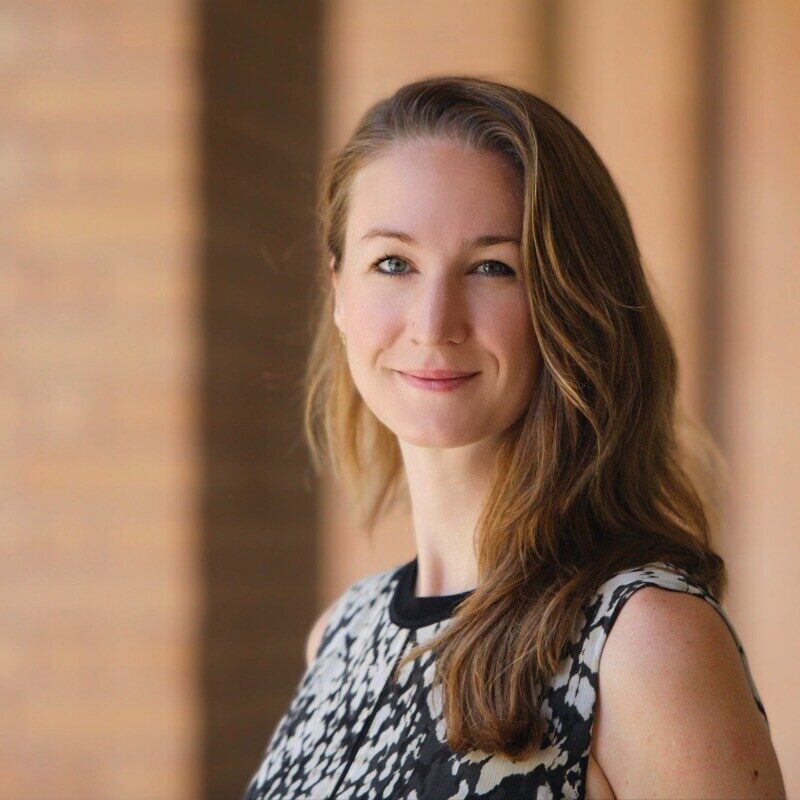
Dr. Megan Peters walks through her four phase process for turning a spark of curiosity into a strong research question, and the four traps that can derail it.
Pediatric allergist Dr. Elissa Abrams shares how simple questions about over labelling and early feeding changed allergy guidelines, and why communication matters as much as the evidence.
Dr. Evelyn Forget tells the story of Mincome, the 1970s guaranteed income experiment in Dauphin, Manitoba, and how she used health records to show it reduced hospitalizations.
Science journalist Dr. Alex Hutchinson explores the explore and exploit dilemma, what medicine can learn from sports science, and why following your curiosity makes for better work.
Dr. Gordon Guyatt tells the story of how evidence based medicine was named and grew at McMaster, and explains its three principles and what makes a guideline trustworthy.
Dr. Jonathan Jackson explains why inclusive trial design is a matter of scientific rigor, not only justice, and why empowering communities works better than asking for trust.
Dr. Janet Branchaw shares what a randomized trial of culturally aware mentor training found, and how mentors can create research spaces where every trainee can bring their whole self.
Dr. Laura Rosella explains predictive epidemiology, how to build and validate a risk model, where machine learning helps, and why bias and data quality matter as much as accuracy.
Dr. Matthew Fox makes the case for descriptive epidemiology: start with a clear question, describe the real world rather than adjusting it away, and use what you find to target resources.
Dr. Norman Rosenblum shares how to find the right mentors, build a circle of support and use a mentee driven approach to shape a research career that is your own.
Epidemiologist Dr. Hailey Banack shows how to draw a directed acyclic graph (DAG) with a pencil and a colleague, and why it is the best way to plan your analysis.
Biostatistician Dr. Lucy D'Agostino McGowan explains what to bring to your first meeting with a statistician and the design principles that make an analysis trustworthy.
Drs. Alfonso Iorio and Lori-ann Linkins show how McMaster's ACCESSSS and PLUS services filter thousands of new studies down to the few worth your time, and how to fit them alongside UpToDate and DynaMed.
Dr. Bapu Jena shares how everyday observations, like a marathon blocking the road to the hospital, become natural experiments that answer causal questions with data that already exists.
Dr. Peter Rosenbaum explains how to turn a clinical nugget from the bedside into a focused, answerable research question, and how good mentors keep that spark alive.
The Emerging Scholar podcast is designed for graduate students, medical trainees, residents and fellows to help them on their journey towards their first scientific project.