From Bedside Questions to Global Trials with Dr. Hertzel Gerstein
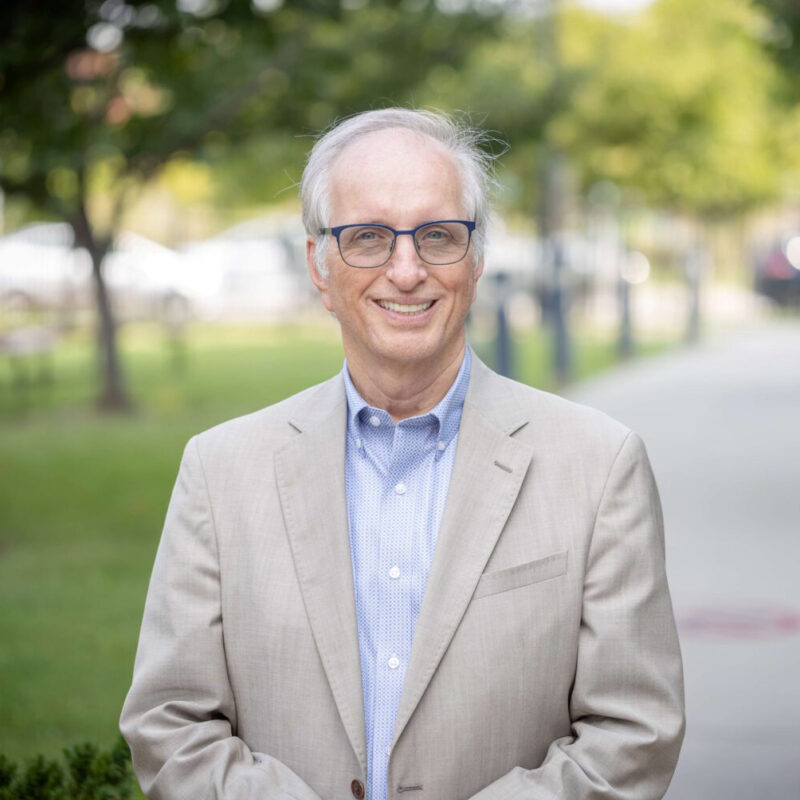
Dr. Hertzel Gerstein
Professor, McMaster University; Deputy Director, Population Health Research Institute
In this episode
00:00 Introduction 02:00 Choosing endocrinology and catching the research bug 04:00 Clinical epidemiology at McMaster 06:00 A first small trial and a national network 11:00 Cow's milk and type 1 diabetes 14:00 The HOPE trial and diabetes 19:00 Building a network of colleagues 21:00 Is glucose a modifiable risk factor? 22:00 Factorial designs: two answers from one trial 24:00 The ACCORD trial 28:00 Staying curious and keeping science honest 30:00 Why outcome trials became required 31:00 The ORIGIN trial 35:00 When academic partnership protected patients and science 39:00 Preventing type 2 diabetes 41:00 Remission and lessons from bariatric surgery 44:00 Be robust and ready for opportunities 46:00 Loving the process, not the p value 47:00 Getting started with ACT 48:00 Closing thoughts
Select a timestamp to play the episode from that point.
Dr. McGavock: [00:00:00] Today, people without diabetes are strapping continuous glucose monitors onto their arms, tracking every spike, every dip. The fear of high glucose has never been more mainstream. But travel back to the late 1980s, and that fear didn't exist. Back then, the danger your doctor lost sleep over was hypoglycemia, low blood sugar.
Dr. McGavock: High glucose? That cardiovascular catastrophe quietly unfolding in the background? That evidence simply didn't exist. Two doctors, two visits, two parallel conversations. The cardiologist was managing your heart. Your endocrinologist was managing your glucose. The two never met in the middle. Then came a young Canadian endocrinologist who decided to sit at that intersection and ask the question that nobody in the field was asking.
Dr. McGavock: What followed were decades of landmark trials, HOPE, ORIGIN, ACCORD, all published in the New England Journal of Medicine, that shook the foundations of diabetes and shaped [00:01:00] guidelines from Hamilton to Helsinki. Where did this start? It started at the bedside.
Dr. Gerstein: At the end of the clinic, I used to ask residents, "Okay, what two research questions were you asked by your patients today that nobody knows the answer to?"
Dr. McGavock: Today on "The Emerging Scholar" podcast, I sit down with Dr. Hertzel Gerstein, professor at McMaster University, and the director of the Population Health Research Institute at Mac, and one of the most influential figures in global diabetes research. I'm Dr. McGavock, and this is "The Emerging Scholar" podcast.
Dr. Gerstein: I'm more of a collaborator than, than a mentor Okay But, you know, everybody that we work with are mentors. So y- you know, you're a mentor for me, right? Yeah. I mean, like, any- anybody who we interact with that has a different background and has a different perspective on the world is a mentor if you're open to learning from them.
Dr. Gerstein: Right. So often we define who the mentor and the mentee is based on seniority, but I don't, actually. I've learned... You know, I'm an endocrinologist originally.
Dr. McGavock: Yeah.
Dr. Gerstein: You know, from a career [00:02:00] perspective, it's fascinating. So, you know, I trained as an endocrinologist. When I was in my third year of residency and I was deciding what specialty I was gonna do, the two areas that were the most interesting to me, and I was torn between am I gonna go into endocrinology or am I gonna go into cardiology?
Dr. Gerstein: Those are the two areas that I liked, and they're very different. Right. And I ended up deciding to go into endocrinology 'cause I came to the conclusion that I thought endocrine diseases were more interesting. But as it turned out, my career, I'm an endocrinologist, but I spent most of my career doing clinical trials- Yeah
Dr. Gerstein: looking at the effect on cardiovascular outcomes. Yeah. And right now, I'm the director of the Population Health Research Institute, which most of the people are cardiovascular researchers. So I've spent most of my research career- Yeah ... hanging around with cardiovascular researchers. So it's actually, I've done what I wanted to do.
Dr. Gerstein: I got my cake and I ate it too.
Dr. McGavock: Yeah, you got them both. You know? I love
Dr. Gerstein: it. Essentially. But the reason was, as I said, so, you know, when I did my endocrinology fellowship and became an endocrinologist, and I really wanted to [00:03:00] do research, uh, 'cause I got the research bug working in Bob Volpe's lab as a, before my endocrinology training, learning about laboratory research.
Dr. Gerstein: I decided at that point that I didn't have the passion to do the lab research, but I liked the research process. Right. And that's when I decided, okay, I'm gonna become a clinical researcher. In those days, to become a clinical researcher as an endocrinologist meant that you went somewhere and measured hormone levels every two hours, and talked about dynamics and- Yeah
Dr. Gerstein: and feedback and all that stuff. And I said, "Well, I didn't quite like that. I wanted to do a different type of clinical research." And the only other option out there at the time was what was called clinical epidemiology. And clinical epidemiology was a word invented by B- Dave Sackett, Brian Haynes, and Gordon Guyatt, and other people at Hamilton to describe this application of the principles of big E epidemiology to understanding prognosis and diagnosis and therapy- Hmm
Dr. Gerstein: in patients. And so [00:04:00] McMaster University were pioneers in that, and so, you know, I said, "Well, I was just down the road in Toronto. I'm gonna go to McMaster and do my master's degree in clinical epidemiology at the time," which is why I came to McMaster, and I did my master's degree. But as I said earlier, there were no other endocrinologist models in Canada or even in the United States who had done that.
Dr. Gerstein: You know, the only clinicians who were doing clin epi were cardiologists, respirologists, et cetera. Yeah. So I ended up hanging around with a lot of cardiologists- ... and spending a lot of time with them for that reason. And so I did my master's degree. When I came to Hamilton, there were not a lot of endocrinologist researchers going on.
Dr. Gerstein: There were actually very few endocrinologists here, you know, and actually nobody really doing research in endocrinology at the time, or one person doing some reproductive stuff. If I was gonna do it, I had to decide, well, what's gonna be an endocrine manifestation of all the stuff I'm learning in clinical epidemiology?
Dr. Gerstein: Right. So I did my first master's project, was on postpartum thyroid disease, looking at the incidence of that in people with type [00:05:00] one diabetes, and, you know, had the autoimmune thyroid background from working with Bob Volpe in his lab, so that's w- was a natural sort of thing. And so when I got my master's and then I came on faculty as an assistant professor, and, you know, I said, "I'm gonna do research, and it's gonna be in thyroid disease," 'cause that's how I spent my lab time and, and I had-- always liked thyroid disease.
Dr. Gerstein: So I wrote 13 grants over the course of one to two years- ... and not one of them was funded, but every one of them came back with great reviews, and it said, "R- really interesting grant, well-written. This is not an important problem."
Dr. McGavock: Not a good question. Yeah, yeah, yeah.
Dr. Gerstein: And Brian Haynes, who was my, one of my mentors in my, when I was doing my master's degree, and, and was a colleague, and a very bright guy, and became a very good friend, Brian said to me, "Well, look, you know, there's an interesting paper from diabetes.
Dr. Gerstein: Let's do this study together in people with diabetes." So my first diabetes grant, and it was funded by, I think CIHR or M- MRC at the time. MRC, yeah. Yeah. It was MRC funded it. A- and that was a study of [00:06:00] hydroxychloroquine for glucose control in people with type 2 diabetes, and I did it with Brian. It was a smallish study- Mm-hmm
Dr. Gerstein: but that really, you know, turned me into a diabetes researcher, you know? And, and I did one or two other studies, and then this person, Salim Yusuf, came to Hamilton in 1994 or something, and was planning a big outcome study of ramipril versus placebo in people with high risk for cardiovascular disease.
Dr. Gerstein: And we met at a rounds, and I approached him and I said, "Well, what about people with diabetes in this study?" Yeah. And then that was the beginning of our collaboration, and so we ended up, the HOPE study was the first large cardiovascular outcomes trial that on purpose ensured that there were at least a large number of people with type 2 diabetes, and so there were more than 3,000 people with diabetes in this cardiovascular outcome trial.
Dr. Gerstein: Prior to that, people with diabetes were excluded on purpose from cardiovascular trials. Wow. So the HOPE study was one of the first trials- Mm-hmm ... [00:07:00] that actually actively sought, and I put together a network of colleagues who, who were friends of mine from around the country who were doing research, endocrinologists- Mm-hmm
Dr. Gerstein: diabetes researchers. Mm-hmm. And so now we had a, a small cohort of diabetes researchers doing cardiovascular trials essentially. Oh, wow. And that started it, and-
Dr. McGavock: Who were some of those people?
Dr. Gerstein: Larry Leiter was one of them. Oh. Carol Joyce in, in Newfoundland, um- Joanne Booth. Irene Hramiak in London, Stewart Harris, who was also in London.
Dr. Gerstein: I can't remember if they were involved in that trial, but these are people with whom I've collaborated- Yeah ... over the years. And so there's many other name people. I mean, you know, people like Bernie Zinman in Toronto and many others. A- and then it was shortly after... Well, and then after the HOPE study was going along really well with, there was a, a, a sensational result, but as it was going on, the NIH published an RFP for a trial of cardiovascular protection in people with diabetes.
Dr. Gerstein: And I applied, you know? And, and, uh-
Dr. McGavock: I can't believe that. So before you get into that, though, okay, you were doing cow's milk and Type 1 [00:08:00] diabetes. Yeah. And you, you were almost gonna do randomized trials in pediatrics.
Dr. Gerstein: Right.
Dr. McGavock: Okay. Okay, so what happened? Now wait, now hang on, hang on. Okay, so what was happening at McMaster?
Dr. McGavock: Like, you leave your fellowship, right? You finished your fellowship at U of T, and then you go and do a master's- I did internal... I c- Or were you practicing in Toronto?
Dr. Gerstein: No. I did internal medicine in Toronto, and then I applied to be an endocrinologist after my third year internal medicine.
Dr. McGavock: Yeah.
Dr. Gerstein: And I didn't get into the program at U of
Dr. McGavock: T.
Dr. McGavock: At
Dr. Gerstein: U of T. Yeah. Oh. And, and, and, uh, and- Oh my
Dr. McGavock: God ...
Dr. Gerstein: and I was upset because everybody told me, all the faculties, "Don't worry, Hertzel, you're a shoo-in. You're gonna get in no problem." You
Dr. McGavock: do... You worked in Volpe's lab.
Dr. Gerstein: You know, Rob Hegele got in that year. I didn't get in that year. But you know what? Um-
Dr. McGavock: Never give up.
Dr. McGavock: Never give up.
Dr. Gerstein: So, so then Bob Volpe s- who I knew, 'cause I was, you know, this keen guy who wanted to do endocrinology, so Bob Volpe was a senior, well-known endocrinologist and- Yeah ... and r- international researcher in Graves' disease, et cetera, said to me, "Hertzel, come work in my lab for a year." So I said, "Okay."
Dr. Gerstein: Okay, there you go. [00:09:00] So he found some money for me- Right on. Right on ... and I worked in Bob Volpe's lab, and I d- I knew nothing. I had to learn what a beaker was. I had to learn how to make reagents and, or, uh- Yeah, yeah, yeah ... I, I, you know. But he, he was, uh, the, the techs taught me, and I did, and I ended up publishing a bunch of papers on autoimmune thyroid disease at the time with Bob, and I learned about immunology and helper cells and suppressor cells.
Dr. Gerstein: Yeah. Balancing a centrifuge. And after that, the year after, I got into the endocrinology program. Okay, okay. So I did my two years of clinical endocrinology, and then I said, "I wanna do research," and that's when I applied to the master's program at McMaster. Yeah. David Sackett, I met him, and he invited me.
Dr. Gerstein: He said, "Come," and, and he was one of my mentors when I did it. And I- I- And that's how I came to Hamilton.
Dr. McGavock: And what was that culture like? Like, David Sackett, Brian Haynes, Gordon Guyatt, all kind of at the forefront, like, just driving this e- Well, when I came- ... evidence-based medicine boat.
Dr. Gerstein: It was a wonderful place to be at the time, 'cause, you know, I didn't know it at the time, of course, but these people were the pioneers of clinical epidemiology.
Dr. Gerstein: Yeah. Peter Tugwell was here at the time as well, and- Mm-hmm ... they created this out of nothing. Gord is [00:10:00] still very active, and he's still very, very sort of busy, but they created this whole area of clinical epidemiology, and then subsequently evidence-based medicine. Mm-hmm. You know, it came out of McMaster University, and I was privileged to be part of those discussions and part of this group.
Dr. Gerstein: You know, I was in the room- First cohort ... when the word evidence-based medicine was coined. Wow. You know? I, I remember a group of 15 of us were sitting around talking, and Gord Guyatt came up with the term, but, and he's, uh, very appropriately gotten credit for this. But it was a very exciting place. Every week there'd be, you know, arguments and discussions in a very academically fun way, and it just increased my enthusiasm for this, and it, it just became so much fun to interact with these people.
Dr. Gerstein: You know, I would still have clinical responsibilities, but I would be spending a number of hours every week while I was doing my master's. I was going to these rounds, meeting people, and it was a totally different area for me and, you know, I didn't think I'd ever like it, and I loved it, right?
Dr. McGavock: Unbelievable. This makes sense. So I'm reading this paper. It's a systematic review of observational [00:11:00] studies of cow's milk and Type I diabetes. Yes. First off, uh, we're gonna put a link to it. Like, you're the only author on it, right? So I was like- Yeah ... "Is Hertzel, like..." A practicing clinician doing research on the side of his desk, and the forest plot is like hand-drawn, right?
Dr. McGavock: Yeah. Like, you know, like not, I mean, not like hand-drawn, but it's not like- Yeah ... like there was no-
Dr. Gerstein: So I had-
Dr. McGavock: There was no R package for it. I was like, "This is amazing."
Dr. Gerstein: The story of that, well, the story of that, it come... It's a, it's a pediatric connection. So if I had to say, you know, I'll come back to that in a second, but Jon, if I had to say what is the one thing that I've learned in my career, and that has been sort of the thing I keep going back to every time, it's that it is the excitement and the fun and the fruitfulness of transdisciplinary collaboration.
Dr. Gerstein: Okay. So at the interface between stuff, right? So like diabetes and cardiovascular disease, that's an interface, right? Mm-hmm. Mm-hmm. And earlier on You know, this issue of immunology and type 1 diabetes in [00:12:00] pediatrics, I mean, that's an interface. I'm not a pediatrician. So how did that happen? I was a new faculty at McMaster University in endocrinology.
Dr. Gerstein: I had been recruited a year. I had finished my epidemiology, my, my clin epi- epidemiology masters. I was writing these thyroid grants at the time. And then a guy, John Van de Meulen-
Dr. McGavock: Yeah ...
Dr. Gerstein: pediatric endocrinologist who-
Dr. McGavock: Future head of, future head of peds.
Dr. Gerstein: I mean, John did his endocrine training in pediatric endocrinology in Toronto when I was finishing my adult endocrinology training, so we became friends in Toronto.
Dr. Gerstein: And John and I have been friends, you know, since that time. I came to Hamilton, and then a year later he came to Hamilton as a pediatric, at the time, the first sort of officially trained pediatric endocrinologist. Crazy. And we're friends from Toronto. We started collaborating. John was very interested in type 1 diabetes, and he had this connection with colleagues, and they said, "You know, Hertzel, let's start this whole type 1 diabetes cow's milk issue.
Dr. Gerstein: You know, there's a protectin." [00:13:00] And so we started, you know, collaborating around that, and then I said, "Well, why don't I do a meta-analysis of the relationship between..." John had a connection with groups in Finland who were interested in nutrition, cow's milk exposure in type 1 diabetes. Wow. The meta-analysis was part of that collaboration.
Dr. Gerstein: It eventually came up into the TRIGR trial- Woo ... which was Reduced Insulin-Dependent Diabetes in Genetically At Risk by Cow's Milk Avoidance. Yeah. I, the name TRIGR, actually, I came up with the name together with John Van de Meulen on a flight going to Helsinki. Right. But, and we collaborated to- together on that project for a couple years.
Dr. Gerstein: The meta-analysis was k- you know, was the beginning of that- Mm-hmm ... interestingly.
Dr. McGavock: Um- And then you surveyed families to see if they would be- Right ... participating in a trial with, like, Stephanie Atkinson and John and... I was like, "He's gonna be a pediatrician" when I'm going through your CV here. It's like there was this critical pediatric bend, and then the HOPE trial started, or, and then you- Yeah, and then-
Dr. McGavock: you came in.
Dr. Gerstein: That's right. Exactly right. Yeah, and I met Stephanie at that time, too, and Stephanie and I have been friends ever since, you know, too, and [00:14:00] learned a lot from her. Yeah, but and then the HOPE trial came in. There was this opportunity for type 2 diabetes, and it was before that I had done that trial with hydroxychloroquine, and then I started- Yeah, right
Dr. Gerstein: to, you know, collaborate with Salim Yusuf on this trial, and that ended up having stellar results.
Dr. McGavock: Yeah, so what did you learn from HOPE before the NHLBI came out with this call?
Dr. Gerstein: What I learned from HOPE is the, the sheer joy in doing international collaborations, not of getting the result, but of actually dealing with all the issues that arise in running.
Dr. Gerstein: You know, I learned about organizing an international trial. I mean, we raised money for the HOPE trial for the diabetes part and the stuff around it, and we had to figure out problems. Like, one of the challenges as we were doing the HOPE trial, I said, "You know, it's really important. We're doing an ACE inhibitor.
Dr. Gerstein: You gotta measure albuminuria." At the time, measuring albuminuria was, you had to do three 24-hour urine collections, et- Yeah ... et cetera, et cetera. Said, "Oh, we'll do a first morning albumin to [00:15:00] creatinine ratio." This was not done. Then we had this-
Dr. McGavock: Cardiologists are like, "
Dr. Gerstein: What
Dr. McGavock: are you talking about?" ...
Dr. Gerstein: how are we gonna collect it?
Dr. Gerstein: Look, these were problems to solve that were fun to do. We ended up saying, "Well, what if we just collect the first morning urine, and is it gonna be accurate, and is it gonna last, you know?" So then we took 20 samples from people, we mailed it to ourselves through the Canada Post system, and measured the n- the, the albumin to creatinine ratio before and two weeks later, said, "Ah, it'll last in the mail."
Dr. McGavock: Oh my God.
Dr. Gerstein: So, you know, and
Dr. McGavock: it's now- And now it's, like, standard. Now that's standard.
Dr. Gerstein: So like- Yeah ... uh, uh, the fun of HOPE was learning all the ins and outs of how to do... 'Cause a big international trial is a business. It- You're actually starting a small company. Yeah, yeah, yeah. You're starting a small company, and your only product is data.
Dr. Gerstein: And the whole point of a trial is to make sure you get the right data in the right fields in your analysis, right? Mm-hmm. And so you develop this whole company, and your product is data, and so you need to make sure, and you're dealing with all the things that affect the data. You know, bias, confounding, randomization appropriateness, retention, a- adherence, all these things.
Dr. Gerstein: And to [00:16:00] start to actually learn it in theory when you do a, a master's degree in epi, but you're actually doing it in the field, you're learning it, and you're learning- And the fun- On the fly ... interacting with colleagues and collaborators around the world- Yeah ... and dealing with problems as they arise, I learned all those things.
Dr. Gerstein: And, and I, and I just loved it. It was lots of fun. And-
Dr. McGavock: So you had the one option, stay in my office, do meta-analyses, just keep it simple. Yeah. I was worried. Or make it messy, 77 centers, 20 countries, whatever it is, right? Yeah. Do large scale trials. What was the big finding out of HOPE that really got you, the whole team excited?
Dr. McGavock: And then I think this is where we know you as- One of those PIs who comes up with really important clinically relevant questions that when it's answered with the trial, totally shifts guidelines, right?
Dr. Gerstein: And that is the beauty of outcomes trials because the outcomes are relevant to everybody, not just to doctors.
Dr. Gerstein: It's not just what it does to your blood pressure or the, or your albumin-creatinine ratio or your A1C. That's... What really is interesting is what does it do to death and heart attacks and strokes and dementia [00:17:00] and- Mm-hmm ... hospitalizations. Mm-hmm. Like, that's what the world is interested in. That's what payers are gonna pay for, you know.
Dr. Gerstein: And so that was the fun, is that you felt that, okay, you're, you're actually gonna make a difference with this trial. And the fun of research, honestly, it's not the final paper. It's not the outcome at the end. You know, the fun of research is the process. It's doing it, you know? Yeah. It's all about the journey, right?
Dr. Gerstein: Yeah. Because, you know, the destination is always disappointing. But we were lucky in HOPE that, you know, we chose the right question, and we got a very positive result of the ACE inhibitor, and it has made a huge difference. You know, but of all the trials I've done, about half of them have been neutral, but they were just as important because- Right, exactly
Dr. Gerstein: it means I was asking important questions. Exactly. Yeah. You know? And if you do a trial and they're always positive, then you're not asking good questions. So the HOPE trials found ACE inhibitors
Dr. McGavock: in patients with diabetes was protective for what?
Dr. Gerstein: For, for cardiovascular outcomes, for MACE- MACE, okay ... you know, heart attack, strokes, death, as well as, you know, uh, kidney related surrogate outcomes. But HOPE was designed [00:18:00] for all people at risk, but, you know, 30% of them had diabetes, so it showed that in people without diabetes as well as with diabetes, uh, that A- ACE inhibitors, and as a result, ACE inhibitors got included in guidelines for everybody with diabetes for cardioprotection.
Dr. McGavock: So then NHLBI comes out. If a trainee isn't aware of this, in the US, uh, well, so things may change with this government, which is terrible, but NHLBI, so that's the institute in charge of, like, cardiovascular outcomes. There's another institute responsible for diabetes. Yeah. They'll put huge amounts of money into large clinical trials aimed at X.
Dr. Gerstein: An RFP- Yeah ... came out from NHLBI for cardioprotection in people with diabetes, type 2 diabetes, you know, testing therapies to reduce cardiovascular outcomes in people with type 2 diabetes. And so I applied, you know- ... and, and put together a network.
Dr. McGavock: Young
Dr. Gerstein: investigator. And there was-
Dr. McGavock: In, in Canada.
Dr. Gerstein: In Canada.
Dr. Gerstein: There was a time when NIH would send money out of the United States. Yeah, yeah. They, they don't do that now, but, but so I applied and put [00:19:00] together a network of colleagues around the country and, you know, in every-- We had people in Edmonton, BC, Ontario, Van- the Maritimes, Ottawa- Winnipeg ... uh, Newfoundland, you know, uh, a- and- Hopefully, hopefully Winnipeg was
Dr. McGavock: in there
Dr. Gerstein: it was really lovely. We had, we had a good network a- and we applied as a Canadian network. Well, actually, we applied to do this with a Canadian network, and the way that it worked is I was one of the eight successful applications for this. What NIH did at the time is say, "Your protocol is now successful.
Dr. Gerstein: You all come now to a meeting in Bethesda, and everybody's protocol goes in the garbage. You are now part of a design group with the other seven successful PIs, and you are together gonna design one protocol that meets all of your needs." And so that's what we did. So the hopes that the ACCORD study ended up being a, a 10,000-person trial conducted in, was it seven or eight clinical center networks?
Dr. Gerstein: One of the networks was Canada. Okay. And the remaining were in the United States, and that [00:20:00] was so much fun. I made so many new friends and did... And that lasted essentially 10 years o- of work, right? Till about 2009, 2010.
Dr. McGavock: So the question for that was, if we normalize blood sugars in patients with type 2 diabetes, right?
Dr. Gerstein: Yeah.
Dr. McGavock: A1c's below 6%. What's gonna happen to cardiovascular outcomes? Death, MI, stroke. Can we back up a sec, though? So the DCCT comes out and the UKPDS come out. So the DCCT for type 1 diabetes-
Dr. Gerstein: Was published in 1993, and it showed that intensified insulin therapy as opposed to conventional insulin therapy reduces the risk of eye disease and kidney disease, those are the main outcomes, as well as nerve disease in people with type 1 diabetes who were relatively recently diagnosed.
Dr. Gerstein: They were sort of early 20s, you know, people with type 1 diabetes. And so, and it was a six-year-long study, and it was remarkable. It actually proved unequivocally in type 1 diabetes the glucose [00:21:00] hypothesis that hyperglycemia or abnormal glucose levels, high levels were actually driving these outcomes and that it was a modifiable risk factor.
Dr. Gerstein: So by lowering glucose hemoglobin A1C with intensified insulin therapy as opposed to three or four times daily or a pump insulin versus conventional insulin therapy, which at the time was two shots a day, you get better clinical outcomes. And then part of the motivation for the ACCORD study was to see what about in type 2 diabetes?
Dr. Gerstein: Right. Can you do cardioprotection in them with a similar approach? And so it became a study of more versus less intense glucose lowering on 10,000 people, cardiovascular outcomes. And at the time we factorialized at the same time lipid lowering and blood pressure lowering in subsets of the patients.
Dr. Gerstein: That was the design of the ACCORD trial. Yeah. Well, it wasn't me, but I learned from that. So that actually Salim Yusuf was doing that with the ACCORD trial. He had already done that with the HOPE trial. Okay. And that's when I saw the value of doing that, 'cause with [00:22:00] a good factorial design, you're getting two for one.
Dr. Gerstein: Mm-hmm. You're getting answers to two questions instead of one question. And, you know, it's actually a very, very efficient design. I mean, I don't even think Salim was the first to do it, but he certainly did it, you know? Um- Right ... and subsequently a lot of studies that we've done at PHRI have been factorial designs, and they're actually, it's a very good design to do.
Dr. McGavock: So each person gets randomized twice?
Dr. Gerstein: Yeah.
Dr. McGavock: And in ACCORD it was randomized three times, I think.
Dr. Gerstein: Right? Well, yeah. You got, you had three- ACCORD was a little bit of a complicated design. Yeah. But a factorial design is that you randomize everybody to drug A versus drug B, and then you randomize everybody to drug C versus drug D.
Dr. Gerstein: So a quarter on AB, uh, pardon me, on AC, a quarter on AD, a quarter on BC, a quarter on BD, essentially.
Dr. McGavock: Um- And the two can't really intersect. In this- Or the, in this case they did, actually.
Dr. Gerstein: Well, th- there is, there's always a concern, there's a theoretical concern that, that the interventions would interact with each other.
Dr. Gerstein: Mm-hmm. So, the, you know, so if you randomize people, for instance, [00:23:00] to, you know, a, a diuretic, an ARB and an ACE inhibitor, right? Right. You know, an ARB versus a placebo and an ACE inhibitor versus placebo, the ARB and the ACE inhibitor are clearly interacting. Yeah. Right? Yeah. But if there's no good reason to expect an interaction, the probability that two treatments will interact is very small.
Dr. Gerstein: In fact, as we, we've done meta-analysis on it. You know, I wasn't part of that paper, but it was done by PHRI, and less than 5% of all factorial designs had any relevant interaction- Oh, wow ... whatsoever. That's awesome. And so if you do your homework, and people say, "Well, that's not good," the trouble is that when you do randomized trials and you don't randomize anything else, there's all sorts of interactions that are happening that you don't even know about.
Dr. Gerstein: Yeah, yeah. You know? And so they hopefully randomize out. Here what you're doing is you're randomizing out one thing, and so it's a very safe and effective way to go about doing it.
Dr. McGavock: So for ACCORD, you're normalizing blood glucose, A1Cs close to 6%. You're trying to normalize or get as close to normal blood pressure?
Dr. Gerstein: The target was less than 6%, [00:24:00] you know? Yeah. And remember, the, the ACCORD trial was also launched at the time that the UKPDS was just being published. The UKPDS was published in 1998, and that had very provocative results in suggesting, well, maybe there is a benefit. It was newly diagnosed diabetes. ACCORD was not newly diagnosed.
Dr. Gerstein: So there were a lot of discussions around that whole area of glycemic control and cardiovascular outcomes.
Dr. McGavock: And then, uh... And so what did you find in the ACCORD study? And like, this is where I came on the scene, and I remember going to these presentations- Yeah ... and I was like Knowing the DCCT, but DCCT- Yeah
Dr. McGavock: like those are some of the biggest clinical effects in- Right ... endocrine. Like they were huge.
Dr. Gerstein: But you have to remember that the DCCT did not measure clinical effects. Essentially it measured- Yeah, yeah ... surrogate outcomes, right? Yeah. You, you talked about three stage change in retinal photographs. You know, you- Yeah
Dr. Gerstein: talked about albuminuria as opposed to heart attacks, strokes, death. I mean, 30 years later, the DCCT did publish a reduction in cardiovascular events, but that was in passive follow-up of people [00:25:00] who had been randomized to the active group.
Dr. McGavock: Right.
Dr. Gerstein: ACCORD was going for heart outcomes at the time, and so if you ask what did it show, it was not clean.
Dr. Gerstein: The results were not black and white. So the study was stopped early by the independent data safety board because of a signal of increased cardiovascular death in the- Yeah ... intensive group versus a control group. As it turned out, when you look at the results more and more and scrutinize them, in the end there was a clear reduction in myocardial infarction.
Dr. Gerstein: Mm-hmm. There was a neutral effect on stroke, and there seemed to be a very slight increase in cardiovascular deaths. Then the question, well, is there something about the therapy? Is there something about the approach? And in the end, to this day- Nobody knows a real answer. You know, it could have been fluke alone, 'cause that happens.
Dr. Gerstein: Every time you do a randomized trial, right? Mm-hmm. Remember, there's a 95% confidence interval- Mm-hmm ... and 5% on either, two, 2.5% on either end- Mm-hmm ... could happen, you know, by chance alone, right? So, you, so it could've been a fluke difference. There's many theories that are being put forth. Nothing that [00:26:00] has stood a clear, robust test of time.
Dr. Gerstein: I can tell you that subsequent many trials, outcome studies have a- addressed this, and it seems pretty clear that including other analyses of the core trial that glucose lowering does have an effect on MI, you know, depending on how you lower glucose, but is unclear effects on stroke and cardiovascular events.
Dr. Gerstein: Probably more or less neutral effects on those two things. Mm-hmm. Um, but right now it's become an academic point because we have so many drugs that lower glucose in addition to doing other things- Right ... that, uh, it- it's a different discussion now completely.
Dr. McGavock: Yeah. I was like, "Oh my God." And I think the Look AHEAD Trial, which we won't talk about, but I'll, we'll put links into there.
Dr. McGavock: Same kind of situation, right? Using a lifestyle approach, you guys are using- Yeah ... aggressive pharmacotherapy to get blood sugars down. Look AHEAD is looking at aggressive lifestyle therapy- Yeah ... in people with Type 2. That's
Dr. Gerstein: right.
Dr. McGavock: Massive, like, big reductions in weight, improvements in A1c. Right.
Dr. McGavock: Cardiovascular outcomes, nothing. So for me, that just brings up, there's something interesting [00:27:00] physiologically within Type 2- Yeah ... that's complicated, and these trials helped us-
Dr. Gerstein: Absolutely. Yeah. And, and this is the beauty of the research. Like, you don't know the answer beforehand. You do and you learn, and that's why if you wanna do clinical research, you've got to enjoy the process.
Dr. Gerstein: I loved the ACCORD Trial, just like I loved the... 'Cause every week I was dealing with issues and problems and meetings and discussions and arguments, but it was in a very academically stimulating way. And, you know, when we saw the final results, it was, like, frustrating, you know? Yeah. And, and, but okay. Yeah.
Dr. Gerstein: That's science. And I tell people, as a researcher, I am not responsible for the final results. I'm responsible for the design, the implementation, the methodology. God is responsible for the final results- Yeah ... or whoever up there. Yeah. Or nature, but I'm responsible for doing it right, and the answer is the answer, and then I have to deal with that as a scientist.
Dr. Gerstein: If you ever lose that perspective, if you think you're responsible for getting a positive result or that, then- Right. [00:28:00] Totally ... you're not a scientist anymore, you're marketing. Exactly. You know?
Dr. McGavock: Exactly.
Dr. Gerstein: You gotta be curious. So you're responsible for the methodology. Yeah. That's your job.
Dr. McGavock: At the same time, you're a practicing clinician.
Dr. McGavock: Right? So now- Yep ... like new drugs are coming on the market or- Yep ... like you're seeing things in clinic, and I think that's like as an emerging resident, that's gotta be so exciting, right? That you can take what you're seeing at the bedside- Absolutely ... and turn it into a research question.
Dr. Gerstein: Absolutely. And patients would ask you, like y- you said earlier, "How do you come up with research questions?"
Dr. Gerstein: Well, you know, you come up with research questions 'cause you listen to your patients, and every time you see a clinic, the patients are asking you two or three research questions. At the end of the clinic, I used to ask residents, "What two research questions were you asked by your patients today that nobody knows the answer to?"
Dr. Gerstein: Yeah. But you have to learn how to hear the question. Right. But the patients are asking them every single day, you know? Yeah. And you just have to learn how to hear them. And so the fun of doing this, you're doing the science, you're doing the sort of the research, and then you're seeing over the years that you couldn't tell anything to patients about how do you reduce your risk now, [00:29:00] and what do you do when you have albuminuria?
Dr. Gerstein: Well, now you have answers to the question based on evidence that is fairly robust, and I think that... The other interesting finding that the ACCORD study showed is that, uh, blood pressure lowering to less than 130 didn't have the effect that everybody expected it was gonna have.
Dr. McGavock: Right.
Dr. Gerstein: So y- you know, then do you have to slavishly drop the systolic blood pressure to 120 or not to 120?
Dr. Gerstein: And, you know, there's still a little bit of controversy about that, but it tells us you learn a lot about sort of how you interact with patients as well. Mm-hmm. A- a- and I think also when you do one research study, it informs your perspective about other ones, you know? And the importance of, you know, of doing randomized trials, and one of the thing I was very proud of is that over the years I had a chance early on in the '90s to go down to FDA, along with colleagues like Rury Holman from UK and Bob Ratner from ADA, and really push FDA to insist on outcomes trials for cardio- Hmm
Dr. Gerstein: for diabetes drugs so that we understand what their long-term effects are in serious health [00:30:00] outcomes. And they eventually issued a guidance that ended up doing that. So I think-- And that's why we have drugs like- They, it was that big, you know, GLP-1 receptor agonist because companies had to do large outcomes trials, and nobody believed when the first GLP-1 receptor agonist trials were done or the first SGLT2 inhibitor trials were done, that they would have effects on outcomes.
Dr. Gerstein: Right. But the only reason that they were done was to show that they were safe, but then in the end, lo and behold, they're the two best drugs for reducing events, you know, in people with and without diabetes.
Dr. McGavock: So in your journey after ACCORD, there was a GLP-1 agonist trial- Yeah ... that you led, or like what was the next thing after ACCORD that
Dr. Gerstein: you took the lead on?
Dr. Gerstein: I mean, I, I can't remember. In, you know, there were a bunch of stuff that were going. I mean, I, as ACCORD was ending, we ended up doing, um, I've always been very interested in insulin's effect on cardiovascular events, and so we put together and, and designed and got funding for the ORIGIN trial, which was, uh, the largest cardiovascular outcomes trial, one of the largest ever done in diabetes.[00:31:00]
Dr. Gerstein: It was 12 and a half thousand people for, you know, um, a median of six point something, two years, and followed for, you know, so patients followed more than seven years of insulin versus no insulin and omega-3 versus placebo, and showed clearly that insulin is neutral on cardiovascular outcomes. So, you know, I'm really proud of that.
Dr. Gerstein: That's the only trial that will ever be done of insulin's effect on- Right ... cardiovascular events. Yeah. And it was so exciting and so much fun. I mean, I keep saying the word fun because- ... you know, I would tell anybody, if they're thinking of whatever they wanna do in their career, you've gotta make sure you're having fun.
Dr. Gerstein: Because if you're not having fun, you're way too educated to waste your time doing things you don't wanna do. Yeah, yeah, yeah. Yeah. If you're gonna do a career in something and you spend a lot of years training yourself, you gotta make sure you're gonna enjoy it. So ORIGIN was probably the next major thing, and then at the same time I was doing this cr- diabetes prevention trial called DREAM, which was to see if you can prevent diabetes.
Dr. Gerstein: That was at the time the DPP, et cetera, was out there. Mm-hmm. Mm-hmm. And then, you know, after that, got involved in the GLP-1 receptor agonist sort of [00:32:00] field and, you know, I ended up co-designing and leading three of them, actually, a- and very exciting, too. So I mean, there's a lot of things I've got involved with over the years, but yeah.
Dr. McGavock: So for one of those post ACCORD, maybe give the residents a sense of like, you're coming up with an idea, you're trying to get this funded. I think Salim Yusuf is probably a great example of someone who's had to fundraise to get these- Yeah ... massive studies done. Yeah. So you probably learned from that. How are those decisions made?
Dr. McGavock: Like in a big group of maybe egos and really passionate clinician scientists?
Dr. Gerstein: It, you know, decisions are made in all sorts of interesting ways, and it's not, it's not a straight line, right? So the, probably the example of the ORIGIN trial is the best example. Sanofi, actually it wasn't Sanofi, it was, uh, the previous company called Aventis, had this drug called Glargine, which was marketed as Lantus.
Dr. Gerstein: This was a stable, long-acting insulin, and the people in the company knew me. I was publishing a lot of stuff. I was invited to some advisory boards, et cetera. And I kept saying, and a- as well [00:33:00] as colleagues of mine, "We really need to do an outcomes trial. We really need to..." What is the effect of this drug on long-- 'Cause at the time, people were saying things that insulin causes heart failure, and insulin causes this, and I said, "No, actually insulin prevents cardiovascular events.
Dr. Gerstein: We don't know the answer to the question." There was evidence back and forth, and there were people that were advising against using insulin in type 2 diabetes, so there was a lot of equipoise- Mm-hmm ... on what is the value of insulin in type 2 diabetes. And so- I was fortunate to know a number of people senior in, in Aventis, and I kept bugging them and pitching them, and I had a few friends and colleagues in, in the United States, and together we would bug them, and then finally, I remember very well, I got a phone call from a very senior person who was one of the VPs at Aventis in Europe at the time one day, and he said, "Hertzel, we're having a meeting in the United States to discuss the possibility of an outcomes trial, and we'd like you to be there."
Dr. Gerstein: And so it was me and two other colleagues, and the president of Aventis at the [00:34:00] time, and it was a very high-level meeting. We had dinner, and we spent the whole night talking about the value of this, you know. And then a month later, we got a phone call saying, "Okay, we're, we, we gotta go to FDA and see what they think."
Dr. Gerstein: Yeah. I flew down with them to FDA, and they said, yeah, they'd be open to this type of thing, and then we started negotiating, ended up designing it together with a small group of people, and ended up running it, and collecting the data, et cetera. It ended up being, you know, in close collaboration with the company, but we did all the data ourselves.
Dr. Gerstein: But, you know- Mm-hmm ... there's this myth out there that somehow industry are mean and bad. That's nonsense. The pharma industry is a stakeholder in the health of the population in the same way that doctors and pure researchers are, right? Oh, yeah. They just have different foci. But you work across sectors and you get things done, and no peer review agency would've ever funded a trial of insulin versus no insulin in 12,500 people.
Dr. Gerstein: No. Never in a billion years- No ... would they have funded it. No one has that
Dr. McGavock: kind of money.
Dr. Gerstein: No one has that money. No. But the industry did.
Dr. McGavock: Yeah.
Dr. Gerstein: And [00:35:00] thank God it was funded because, you know, and this is a perfect example. I'll tell you this story. I mean, you know, pe- my whole career I've been able to work very collaboratively with industry in a win-win way, and it win for the patient, win for the company, and win for medicine as a rule.
Dr. Gerstein: Mm. So, you know, we were doing the ORIGIN trial, and we designed it. The company didn't design it. They agreed with the design, but they didn't design it, and we added things to it. You know, the whole factorialization of omega-3 fatty acids, we added that in, but we also ensured that we're collecting data other than the primary outcome, you know, and there was always resistance, so we were collecting hospitalizations and cancers and all sorts of other things.
Dr. Gerstein: Right. Because we're doing this big trial, they're only gonna do this once, and let's collect this data, make sure the safety or, or not, you know, if insulin has benefits or not on these other outcomes. Well, halfway through the ORIGIN study- There was a group of people in the United States and Europe who were screaming and yelling that insulin glargine causes cancer, [00:36:00] right?
Dr. Gerstein: And they had animal evidence and all sorts of other stuff, screaming and yelling to the point that people were starting to actually write serious editorials about this. We shouldn't be giving insulin to type 2 diabetes as much as possible. We're causing cancer. That could be an issue, based on no evidence.
Dr. Gerstein: Mm-hmm. Based on animal studies a- and conjecture and hyperbole.
Dr. McGavock: Yeah. Physiological
Dr. Gerstein: rationale. And, and then I got a phone call, I remember, from the company saying, "We gotta stop the study." I said, "We're not doing anything." So I remember phoning the chair of the DSMB saying, obviously I don't know any of the results, you know, I said, "Here's the controversy.
Dr. Gerstein: Here's the issue. Can you let us know if there is any problem?" That's all, you know- Yeah. Yeah, yeah ... um, that justifies doing anything. And basically, at the time, you know, glargine insulin was, you know, very popular. It was used by, by millions of people around the world. And there was a risk that it was gonna just get destroyed was the thing, and the DSMB, who was chaired by Rory Collins, who could not be touched in terms of totally [00:37:00] high integrity, everything else, made a press release, said, "We've looked at the data.
Dr. Gerstein: There's no reason to be concerned." Six words. Yeah. Right? Yeah. Regarding, regarding cancer.
Dr. McGavock: Yeah.
Dr. Gerstein: That just ended it. That ended it. Mm-hmm. That ended the controversy. Had there not been Origin trial going on-
Dr. McGavock: Right ...
Dr. Gerstein: that company, who was generating probably, I don't know, a billion dollars a year from the drug, you know, would've lost, lost shareholders, patients would've been deprived of a good, safe, long-acting insulin that was subsequently shown to be neutral and safe for people with diabetes.
Dr. Gerstein: Right. And paved the way for Tresiba and Toujeo, which are two even longer-acting insulins, and now, you know, the weekly insulins that are out there, and it just killed the worries about insulin being bad for people with diabetes.
Dr. McGavock: Right.
Dr. Gerstein: Everybody said, "Oh, it's a neutral trial. You must be disappointed." I said, "No, I'm thrilled."
Dr. Gerstein: Right. You know, because it's safe, right? I was hoping it would be positive, but neutral is fine, right? So, but that's the advantage of collaboration with industry. They won. Yeah. It kept their share price up, [00:38:00] and that drug was a... Patients won, science won, everybody wins. And they won because they collaborated with an academic group that insisted on putting cancer outcomes, which was available in the database, right?
Dr. McGavock: Which is awesome, and no one's gonna fund a trial to disprove that it causes cancer, and if- Well, of course not ... no one's measured it in other clinical trials of glargine, then there's no way to study it, so thank goodness- Exactly ... that was out there. So now more recently, you're into remission. So for people that aren't aware of this, we talk about remission in cancer, you know, you're cancer-free.
Dr. McGavock: People living with diabetes, we try to get their glucose down as much as possible, but what's remission and, and where did that passion come from?
Dr. Gerstein: Well, uh, in 2002, there were no therapies that would have be- had, had ever... 2001 was the time the first trial came out showing that you can prevent diabetes with diet.
Dr. Gerstein: It w- it, it was the, the, the, the, the Finnish diabetes prevention study and the diet and, and lifestyle changes can, can delay, well, not prevent, but delay or [00:39:00] reduce the incidence of type-
Dr. McGavock: Mm-hmm ...
Dr. Gerstein: two diabetes.
Dr. McGavock: Huge. 60% reduction. Y-
Dr. Gerstein: yeah, and then the DPP came out. You know, it also showed that a similar approach can do it, as well as metformin has a 30% reduction in type two.
Dr. Gerstein: So it was very exciting, right?
Dr. McGavock: Mm-hmm.
Dr. Gerstein: And then we said, "Great, we now can prevent type two diabetes. Woo-hoo." But, you know, 20 years later, very few people are trying to prevent type two diabetes, and very few people are even using metformin, and people without diabetes to try to prevent it. And that's because, you know, we've learned from the pandemic that prevention is hard.
Dr. Gerstein: Mm-hmm. And, you know, people will not take proven safe therapies that are effective, that even to reduce life-threatening outcomes, y- such as measles when they're out there. And so- The motivation for prevention, and the reason it's hard is because people aren't sick at the time. So it's like the, the joke is the patient comes to see me and says, "I don't know, Dr.
Dr. Gerstein: Gerstein, you've had me on this, you know, a statin for 25 [00:40:00] years and nothing's happened." That's the point. That's the deal, yeah. But nobody thanks you. Right, no. "Oh, thank you. They've been taking a pill for 25 years." Right. But when you talk about remission, it's a different problem. You've got diabetes, can we make it go away?
Dr. Gerstein: You know? Mm-hmm. I mean, the, the motivation to think about a remission therapy is very different than the motivation to think about a prevention therapy. And so- Mentally,
Dr. McGavock: it's a lot nicer.
Dr. Gerstein: Yeah. Yeah, psychologically. And, and, and so I, I, you know, I have a s- a slide that says, "Prevention is really a population strategy," you know, change the environment, whereas remission is an individual strategy.
Dr. Gerstein: So around 2014, 2015, we said, okay, diabetes is not a heart outcome the way a heart attack or a stroke is, right? But a, being a diabetes specialist, I know it's a very profound outcome for people with diabetes- Mm-hmm ... to have it, and wouldn't it be nice if we could make it go away? And, you know, nobody was doing research on at the time, and then around 2013, 2014, who knew?[00:41:00]
Dr. Gerstein: The bariatric surgeons, general surgeons started observing that patient with diabetes, it went away. So- Yeah ... oh my God, who knew? Surgeons taught us that you can put type two diabetes into remission. You know, that's what happens. A lot of things are serendipity. So then the question is, well, if you can do it with a scalpel, can you do it with a drug or a combination of drugs?
Dr. Gerstein: And so we put together a research program in 2015, started with a, a Diabetes Canada grant. We piloted something together with people at McMaster. It was me and Natalia McInnes, and Zubin Punthakee, and, and Diana Sherifali, and, and colleagues around the country. And we did a total of a pilot plus four tr- small trials of, of various cocktails to try to induce...
Dr. Gerstein: So maybe we showed that we can achieve remissions, but they're not robust. You know, they don't last for a long time. Thinking at the time, and it's still the same today as it was then, is that when you're trying to put diseases into remission, it's an incremental strategy. You know, nobody knows what the right drug or the right [00:42:00] cocktail is.
Dr. Gerstein: Nobody woke up one day and said, "I know, to make breast cancer gonna go, go away, I have to do these three drugs for the first week, and then do this, and then follow people and give them this drug." Right. No. Right. It was a set of trial after trial after trial after trial. So we said, "Let's start the process.
Dr. Gerstein: Let's start doing it." And I don't know if I can take credit for it. I mean, you know, Ravi Retnakaran in, in Toronto, and Bernie Zinman were working on stuff related to remission. But at the time, there was a growing sort of, let's do some remission research studies. And so that has now become a very big area of focus.
Dr. Gerstein: The UK was doing studies, other people with diet and other things. Mm-hmm. And so remission has become big-
Dr. McGavock: So
Dr. Gerstein: newly diagnosed- ... by everybody with diabetes. But the point about it, I'm sorry to, is that you can't just analyze passive data and write about it. You have to do an intervention, and that's been the one thing that is the most important message.
Dr. Gerstein: If you want to know if a therapy works, the only reliable answer is a randomized trial.
Dr. McGavock: Right.
Dr. Gerstein: And so everything else is just hypothesis generating or, you [00:43:00] know, uh, intellectual exercises. Um, unless, of course, it's a therapy that kills everybody if you don't do it or, or saves everybody, in which case the effect size is so large, you know.
Dr. Gerstein: Otherwise, any therapy that we test, modern therapy, you need to do a trial.
Dr. McGavock: And so for trainees trying to get into this space, it's a little intimidating, right? Like, you had this wonderful journey, came through great master's program, great training, and then you landed on the HOPE trial. How are you bringing trainees into the fold, and if trainees really want to do this in their career, and, and I feel like it's part of your identity, right?
Dr. McGavock: You're like, you identify as a trialist in outcomes research, right? I do. So if someone wants to be like that, where do they go? How do they start?
Dr. Gerstein: You know, I think you have to, you have to really want it, right? You have to have to really want it, and you have to find a group that's doing sort of the research and get involved with it.
Dr. Gerstein: It, it's not a straight line. There's a lot of serendipity in life. You're faced with choices, choice A, choice B, and whatever reason you choose choice B, and it may or may not, you know, be the perfect [00:44:00] choice, but in the end, if you're robust, you're gonna be able to make something out of it. And I think the trick-- If I had to say, what is the trick to success?
Dr. Gerstein: And I'll tell you, the trick to running a trial is to be flexible. You cannot be rigid 'cause you're gonna get so many problems, and you have to roll with the punches and adapt. "Okay, we can't recruit this place. Let's recruit somewhere else." You know, the trials, we have to modify our inclusion criteria a little bit.
Dr. Gerstein: We have to do like-- You have to be adaptable, and it's the same thing in a career. You can't say I'm gonna figure out how to prevent death. Right. And if I don't do that, nobody wants to fund me, and they're stupid, and you'll just die a bitter person, right? Yeah. You know, I mean- Yeah ... you, you have to say, "All right.
Dr. Gerstein: I wanna do this general direction." Like, I wanted to be a thyroid researcher, but then I pivoted because I wasn't getting any funding in thyroid. So g- go into diabetes- Mm-hmm ... you know, have fun in that, and cardiovascular disease, and lately I've been doing more stuff with dementia. You have to be flexible, you have to pivot, and so it's not that you wait for luck [00:45:00] to hit you, but you have to prepare yourself for when there are opportunities-
Dr. Gerstein: you're able to take the opportunities.
Dr. McGavock: And you need to-- You wanna love it. Like, you want the passion for it, right?
Dr. Gerstein: Yeah. You cannot do stuff you don't like. The-- Like, if you love seeing patients, see patients. Like, I always tell pe- young people, "Nobody... You can't live wrong." You know? Yeah. You're gonna live, right?
Dr. McGavock: Yeah.
Dr. Gerstein: Make sure that you spend your life doing stuff you enjoy, you know, and you're gonna have a good life, whatever it is. There's no right way to live and no wrong way to live. There's just, you know, doing the right, the thing that you enjoy.
Dr. McGavock: And I, I just heard on YouTube there was a song that you wrote and maybe sang that's something like, "It's about the journey 'cause the destination sucks."
Dr. McGavock: I think, was that the line? That's right. "And the destination sucks."
Dr. Gerstein: Dest- Yeah. So I-- That, that's my hobby. Like- I'm a songwriter, you know? I,
Dr. McGavock: I am. A songwriter, yeah.
Dr. Gerstein: Yes.
Dr. McGavock: And musicals. I, I remember we were talking one day, you're like, "I'm writing a musical right now." Yeah. I think part of it is this journey's awesome, and it's been awesome for you, and you gotta love the journey, not, uh, [00:46:00] not the P value, not the- Exactly
Dr. McGavock: risk reduction, not the- That,
Dr. Gerstein: that's- ...
Dr. McGavock: hazard ratio. Yeah.
Dr. Gerstein: No. The most exciting time I've had, the most fun I have in meetings is when I, I'm at a study meeting halfway through, and we're talking about sort of adherence and recruitment, and we're having dinner afterwards, and we're talking about this problem, and then like...
Dr. Gerstein: It's like it's all about people. People that you meet, and the friends that you make, and the memories that you have. That's where the fun is, you know? Yeah. And, uh... And it's, uh, you're doing it around a common cause, which is science, but...
Dr. McGavock: Right. Awesome. So that's great. If a resident is ever looking to go do research, I think, or learn about clinical trials, PHRI, the Population Health Research Institute at Mac, great place for you to go, right?
Dr. Gerstein: I'm now the director currently, and it is an excellent research institute, clinical research institute.
Dr. McGavock: And also if you're interested in clinical trials, I think the ACT consortium for which- Yes ... you're a co-PI, in the pediatric side, there's something called IMPaCT. We did an interview with, uh, Lauren Kelly, so you'll get to know them.
Dr. McGavock: But in terms of ACT, [00:47:00] if you were gonna leave us with one last pitch for how you can start that journey, I think ACT might be a good start for people.
Dr. Gerstein: Oh, the ACT Canada Consortium is designed to try to make it easier for Canadians together to run, for Canada to do multi-center trials across the country by removing barriers and facilitating it.
Dr. Gerstein: And you've been, I think you, you've been part of it. And, and it is actually being led by a colleague at PHRI, PJ Devereaux, who's a well-known cardiologist researcher, and it's now in its third year, and there's progress being made amazingly. So as part of it, there's been some disease networks put together, including a diabetes clinical trials network, which has been put together as part of the ACT Canada Consortium, and to put people in the same room who know each other and can interact and facilitate the ability of patients to get recruited and for trials to involve people with diabetes in other areas.
Dr. Gerstein: So ACT is any disease area, not just diabetes.
Dr. McGavock: Yeah. Behavioral interventions. My wife's involved in the indigenous side. Yeah. Trying to bring in indigenous knowledges, indigenous ways-
Dr. Gerstein: Absolutely ...
Dr. McGavock: into the clinical research [00:48:00] space, so that's pretty awesome to see. Well, thank you, Hertzel. That was amazing. I know you're super busy.
Dr. McGavock: I can't believe you gave me this amount of your time for this. Oh, it's a pleasure. I hope this inspires a lot of residents. Your work has really inspired me, and every time I'm going to Diabetes Canada or ADA, and I look forward to seeing what's coming up through your work. Yeah. So keep up the great work.
Dr. McGavock: It's been really inspiring for me to watch the journey, and hopefully it'll be the same for residents who listen to this and get inspired to do some clinical research on their own.
Dr. McGavock: Dr. Gerstein's journey began at the bedside, listening, asking, wondering what the data couldn't yet answer that was important for his patients. That instinct to sit at the intersection of what we assume and what we can actually prove drove decades of trials that reshaped how we see the world of diabetes, how we treat patients with diabetes, and actually how we conduct research in the space of diabetes.
Dr. McGavock: From Hamilton to Helsinki, his work has [00:49:00] changed the global diabetes landscape. For trainees listening, that's the thread that's worth pulling. The improbable journey from becoming an international scholar doesn't begin with a grand design. It begins with a question you just can't let go of. As Hertzel puts it, I ask residents in every clinic, what two questions did you hear today from your patients?
Dr. McGavock: Two questions, every clinic, that's the practice. That's where scholars start. If this episode sparked something for you, a question, a reflection, a guest you think we should have on, we want to hear from you. Reach out at scholar at umfm.com. And if you found value in this conversation, share it with a colleague who needs to hear it.
Dr. McGavock: I'm Dr. Jon McGavock. This is the Emerging Scholar Podcast on UMFM 101.5. We'll see
Dr. Gerstein: you next week when we discuss the topic of remaining undifferentiated as a scholar, letting the question drive your methods and your scientific career.
Dr. McGavock: The Emerging Scholar podcast was recorded in the UMFM studios located at the University of Manitoba in [00:50:00] Winnipeg, Manitoba, Canada. This is Treaty 1 territory, the original homeland of the Anishinaabe, the Ininew, and on the national homeland of the Red River Métis. Manitoba is also homeland to the Anishininew, the Dakota Oyate, and the Dene peoples.
Dr. McGavock: We acknowledge that our water is sourced from Shoal Lake 40 First Nation. As a settler scientist working in health research, I acknowledge TRC Call to Action Number 18, that health inequities between Indigenous and non-Indigenous people are the direct result of colonization. Winnipeg is the center for reconciliation in Canada, and where we are speaking from today is at the crossroads of Canada's history and Canada's future.
Dr. McGavock: We are three kilometers away from one of the most sacred meeting grounds for Indigenous people on the plains and within Turtle Island. We are also several kilometers away from one of the last residential schools in the province. We are working collectively on reconcili-action with youth, elders, and community leaders to heal from the trauma of [00:51:00] colonization, past and present, honor the original treaties, and create a Canada that addresses and eliminates the inequities and injustices of the past and present to create a future for Indigenous children to live and thrive.
Dr. McGavock: On behalf of the team at the Emerging Scholar podcast, we wanna thank Osani Balkaran for the great production for our opening and closing themes. We also wanna thank UMFM 101.5, especially our executive producer, Jared McKetiak, for technical assistance and production on this project. We also wanna thank all of our guests for the discussion and the insight that they've provided.
Dr. McGavock: Once again, thank you for listening. Be sure to subscribe to the Emerging Scholar podcast on Apple Podcasts, Spotify, and umfm.com.
Dr. Hertzel Gerstein is an endocrinologist at McMaster University and the Population Health Research Institute whose trials have shaped diabetes care around the world. He describes choosing endocrinology over cardiology, catching the research bug in a thyroid lab, and training in clinical epidemiology at McMaster as evidence based medicine was taking shape.
He explains how an early meta analysis of cow's milk and type 1 diabetes and a small hydroxychloroquine trial led to working with Dr. Salim Yusuf on the HOPE trial, and to building a national network of diabetes researchers. He and Jon unpack the ACCORD trial, factorial designs that answer two questions in one study, and the ORIGIN trial, which showed insulin was neutral for cardiovascular outcomes and put a cancer safety scare to rest.
Dr. Gerstein also reflects on diabetes prevention and remission, working with industry in ways that serve patients and science, and why trials remain essential for testing modern therapies. His advice to trainees is to ask what questions patients raise that nobody can answer, stay flexible, love the process, and connect with networks such as ACT.
The key ideas from this conversation, written up on Substack with links and a question to carry into your own work.
Read on Substack