Select a timestamp to play the episode from that point.
Dr. McGavock: [00:00:00] Think back to the very first conversation you ever had with your graduate supervisor. Maybe it was even in orientation when you were thinking about graduate school. Maybe it was your first meeting with that professor that you really, really liked. But at some point, somebody asked you the question, not, "What do you care about?"
Dr. McGavock: Not, "What's keeping you up at night?" The question was, "So what are you? Are you more qualitative or are you more quantitative?" And just like that, before you've written a single word, before you've generated a single question, you've been asked to pick a side. Are you qual or are you quant? Are you stats or are you words?
Dr. McGavock: Are you context or are you numbers? As if these are the identities you need to commit to before you've even figured out what you want to know. But here's the thing, if the questions keeping you up at night are grounded in justice, if what drives you is making the world a better place for children, for families, for communities that have been [00:01:00] overlooked or harmed in our society, then you're gonna need a much bigger suite of tools to answer those questions, not just a single one.
Dr. McGavock: A survey alone won't get you there, a large administrative dataset won't get you there, and neither will interviews alone. Justice-oriented questions are messy, they're layered, they're human, and they demand methods that can meet them where they are, and that's the risk of picking a lane too early. If you commit to just one method, you close yourself off to the others.
Dr. McGavock: You don't just limit the answers that you can find, you limit the questions that you're able to ask. There are entire categories of justice-based questions that become invisible to you simply because the one tool that you're holding wasn't designed to see them. And where does this come to bear? It comes to bear when you start bringing patients and community members to work alongside you on that journey.
Dr. McGavock: When they're the ones asking the questions, when they're the one driving the research, the questions can't fit neatly inside the paradigm that you've been trained in. They'll need a suite of tools. They might need storyboards. They might need talking circles. They might need a wellbeing measure that doesn't quite exist yet, or they might need access to a large administrative health dataset.[00:02:00]
Dr. McGavock: And if you're going to honor those questions, you need to be working with an extensive methodological toolbox, not a single instrument, a whole workshop. This is the Emerging Scholar podcast from UMFM 101.5. I'm Dr. Jon McGavock, and this show is for graduate students, trainees, residents, and fellows navigating their first scientific project.
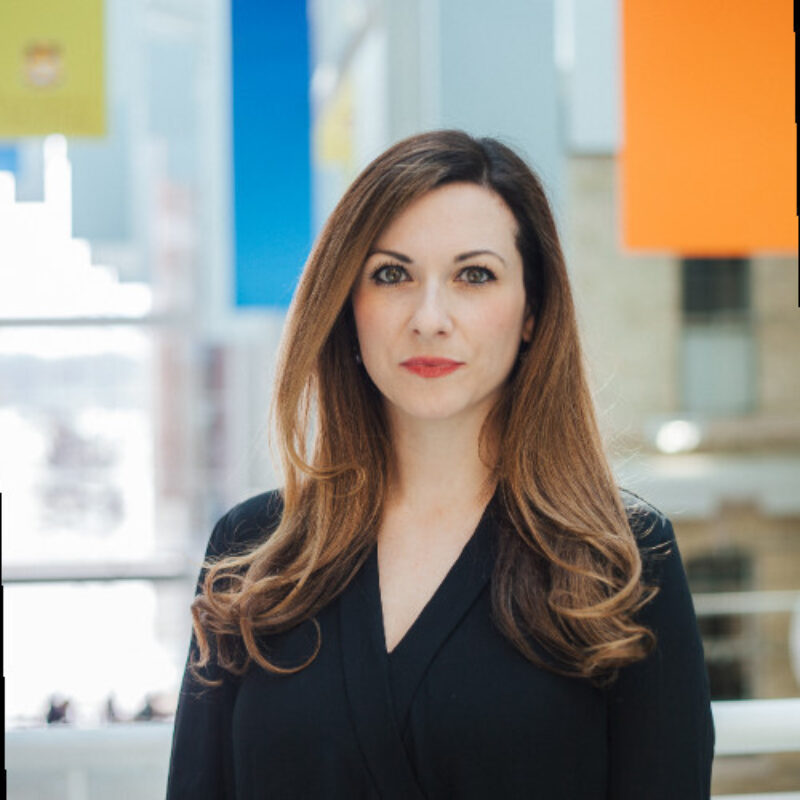
Dr. McGavock: The arc that I just described from question to justice to community to methodological breadth, that's the arc of today's conversation. My guest today is Dr. Ashley Stewart-Tufescu, an assistant professor and registered social worker in the faculty of social work at the University of Manitoba. Her research on childhood adversity and resilience spans 19 countries.
Dr. McGavock: She's used storyboards to understand children's lived experiences. She's studied what happens when we ask kids to complete surveys about their own trauma. She's used large administrative datasets to understand trajectories and prevalence rates of different forms of trauma, and she helps lead research platforms and alliances that put the community voice and justice at the center of every study.
Dr. McGavock: Today's conversation is meant to guide you on this path and to let you consider what it [00:03:00] might look like if you build a career as an undifferentiated scholar. Let's get into it. Welcome everyone to the Emerging Scholar Podcast. My name's Jon McGavock, and we're very pleased to have with us today Dr.
Dr. McGavock: Ashley Stewart-Tufescu, who's gonna talk to us about systematic inquiry. Which I've never heard of until this very moment, so I'm super excited. Ashley, thanks for making time for this today.
Dr. Stewart-Tufescu: My pleasure.
Dr. McGavock: Can you tell us about yourself, your journey? How did you get to be an assistant professor at the University of Manitoba?
Dr. Stewart-Tufescu: So, where to start? I'm a social worker by profession, and I hold the registered social worker designation, and why I mention that and why it's important is because that's sort of the foundation, I suppose, that I work from. So those social work principles about social justice, respecting dignity and worth of every individual, and really the pursuit of truth and reconciliation.
Dr. Stewart-Tufescu: [00:04:00] So as a professor in the faculty of social work, as an assistant professor, my research is really around understanding human experiences, putting those principles into practice, and really working from a human rights perspective. But I didn't actually always start out in social work. My journey to becoming a professor- It, it really was like this sort of long, windy road.
Dr. Stewart-Tufescu: I actually began, I think I was mentioning it earlier, in kinesiology. That was one of... That's what I started university, that was the faculty I was in and the program I was in, and took one biomechanics class and decided-
Dr. McGavock: That
Dr. Stewart-Tufescu: was the end ... holy smokes, this is probably not for me. But I also took a class at that time, I think it was like health studies, and- Where was
Dr. McGavock: this?
Dr. McGavock: What... Go
Dr. Stewart-Tufescu: to- This was at the University of Saskatchewan. Okay. So I was born and raised in Saskatoon and started my academic studies at the U of S. I took this health studies class, and at the time we didn't really call it social determinants of health, but we were really learning about [00:05:00] how our environment and the structures in our environment has a direct impact on individuals and their lives over the life course and the trajectory, and that really inspired me.
Dr. Stewart-Tufescu: And so I decided- Awesome ... well, like let's get out of kinesiology, and where can I really study the human experience? And so I looked at sociology and I looked at psychology, and those were interesting, but really what I was drawn to was anthropology. Wow. And so I thought, I'm just so curious about cultures and how that impacts people's lives, and so I did a undergraduate honors degree in anthropology and archeology actually.
Dr. Stewart-Tufescu: Uh, and then, you know, did a little bit of field work in anthropology and archeology in South Africa.
Dr. McGavock: Wow.
Dr. Stewart-Tufescu: Yeah, I was at the time studying something called taphonomy, which is like looking at how weather impacts like decomposition. And at the time I was in a region of northern South Africa called Messina.
Dr. McGavock: Is this in your undergrad? [00:06:00]
Dr. Stewart-Tufescu: This is in my... This was the final like honors project. Wow. Awesome. So I was very fortunate to go to South Africa and do my field work. And what I was exposed to there was looking at like sort of human rights violations. So at the time, it was the time of the Robert Mugabe regime and it was a really terrible time, and so people were actually trying to flee Zimbabwe and crossing over the dry Limpopo River into South Africa at the time.
Dr. Stewart-Tufescu: And you know, unfortunately a lot of people didn't make it. And so what we were doing was we were studying how weather was actually impacting decomposition and using that research to document human rights violations.
Dr. McGavock: Oh
Dr. Stewart-Tufescu: my God. Wow. And it was fascinating and it was an incredible experience, but that really did informed me that I wanted to be on the preventing side of things- Right
Dr. Stewart-Tufescu: rather than on documenting these human rights violations and abuses. And so I wasn't really sure where to go with my studies [00:07:00] at the time, and somebody said, "Well, have you thought about social work?" And I had not thought about social work at all. And so I kind of looked into the program. So as I said, I was based in Saskatoon, and the University of Regina has a social work program located on the Saskatoon campus.
Dr. Stewart-Tufescu: And so I thought, "Well, I'm gonna put in my application, and if I get accepted, I'll give it a try." And so lo and behold, I, you know, got into the social work program, and I loved it. It was just so inspiring to me to really think about, you know, social justice issues. And instead of focusing on the onus on the individual changing, but looking at through advocacy and awareness-raising, and using, like, human rights mechanisms and instruments, how can you change the environment and the society that people exist within?
Dr. McGavock: Wow.
Dr. Stewart-Tufescu: Yeah, so- Awesome ... I did my BSW, and then I went into the field and cut my teeth, so to speak, doing [00:08:00] child welfare. So this was my practice work. So this was in Toronto, and I was a brand-new grad at the time, and I was actually finishing, like, my final placement in my BSW program with... Actually, at the time it was with the Catholic Children's Aid Society of Toronto, and we were working in the north of Toronto at Jane and Finch.
Dr. Stewart-Tufescu: You know, quite a lot of, like, challenges for the families that live in that community, especially at that time. It was, like, the summer of gun violence, and I was doing child protection work as a brand-new- Wow ... social worker, and it was completely eye-opening and just had a profound impact on me. And I was actually doing that work, and I was pregnant with my first child.
Dr. Stewart-Tufescu: Whoa. And so I was, like, heavily pregnant, you know, 10 days before delivery, doing child protection- Geez ... and apprehension work, and i- it was so [00:09:00] impactful. And having said all of that, I had my baby, and I remember getting the call from the Children's Aid Society saying, "Do you wanna, like, come back as a full-time and work frontline child protection?"
Dr. Stewart-Tufescu: I just remembered, like, looking at my kid, and he was six months at the time, and he was in, we used to call it the baby jail. He was in, like, an exersaucer. Yeah. And I just thought, like, "I don't think I can do this frontline work anymore." But I still felt really motivated to do something around child welfare.
Dr. Stewart-Tufescu: And so I f- I don't even know how I came across it, but I found this interesting program that was being offered through SickKids in Toronto in partnership with York University, and the program was sp- called Infant Mental Health. So it was a post-degree certificate where you specialized in infant mental health, and I thought, "That's where I wanna be.
Dr. Stewart-Tufescu: I wanna be doing things that help prevent families from getting involved in the child welfare system- Mm ... in the first place." [00:10:00] And that really kind of just set me on a trajectory for my post-graduate training. So I did my... moved to Winnipeg. Forgot to mention that. So moved to Winnipeg and, uh, looked for graduate programs and came across Family Social Sciences at the time, and I was able to really do some prevention work there, and then I did my PhD in applied health sciences, also at the U of M, and then I carried on and did my post-doctoral fellowship as well at the U of M but in a different faculty, different campus.
Dr. Stewart-Tufescu: Okay. Yeah. So my path was not linear, and I'm not one of those, like, BSW, MSW, PhD in social work. I really was- Following my curiosity and just exploring what different programs had to offer.
Dr. McGavock: And that early experience with refugees, I think, maybe informed kind of some of the work you're doing now in terms of trying to understand that lived experience and-
Dr. Stewart-Tufescu: Yeah, absolutely
Dr. McGavock: and the social justice behind the structures that [00:11:00] drive the health and wellbeing of kids.
Dr. Stewart-Tufescu: Yeah, absolutely. I've always been really fascinated by culture and how in different cultures folks raise families and family interactions. And I'm also very curious to look at doing research in environments where people are still parenting.
Dr. Stewart-Tufescu: You still have those same pressures of being a parent, but yet you're in a chronic conflict setting, or you're in a region that's experienced natural disasters or where there's regions with very resource and poor resource insecurity. And so kind of trying to understand what the human and parenting experience is like in some of those contexts where oftentimes there's this assumption, "Well," like, "why are you doing research there?
Dr. Stewart-Tufescu: What good is that gonna be?" Or it's just so challenging that most people- Right ... actually don't embark on that kind of work.
Dr. McGavock: Yeah. Am I gonna start working with a data set, draw a framework, and then run some analyses and be done, right? Or am I gonna wash my hands 'cause I know I'm gonna get dirty, and take a [00:12:00] deep breath, and then dive into something that's really, really hard?
Dr. Stewart-Tufescu: Yeah, and honestly, I do both, and I appreciate both. And I think that looking at data and sort of the epi work can really inform some of the other more in-the-field work that we're doing and how that can then inform the development of interventions or practices and then how that can then lead to, like, policy work and advocacy and legislation.
Dr. Stewart-Tufescu: But yeah, I do. I feel like when I'm here at home for too long, I get that itch and have to- ... get back into the field.
Dr. McGavock: And that's why we're talking today. I think we had a conversation before. One of the students in my lab had a class with you, and apparently your intro to qualitative inquiry or systematic inquiry was so impactful that all of these budding epidemiologists were like, "Wow, not only am I more interested in qualitative methods, I think I can actually maybe do them."
Dr. McGavock: Which is, in one class? That's crazy impressive. And I think the reason we wanted to talk [00:13:00] here is we've set up this podcast to say, "Here are different methods that you should learn that could help you on your journey." When I was in kin, we got a lot of kin people who've been involved in the podcast. It, it was very binary, right?
Dr. McGavock: You're, you're either on the quant side or you're on the qual side. You do epi or you do reductionist physiological studies to try to understand how the body works. On the qual side, they were about lived experience. We never talked. We didn't respect each other. Those are two, like, wildly different worlds.
Dr. McGavock: You seem to be able to navigate the two almost no problem. And when we were talking earlier, what I really liked was, like- You're just gonna use whatever method you need to answer questions that you feel are really important
Dr. Stewart-Tufescu: Exactly ...
Dr. McGavock: which I find so refreshing. So maybe give us a little bit of an example.
Dr. McGavock: I know in your postdoc it was mostly quantitative, right?
Dr. Stewart-Tufescu: Yep.
Dr. McGavock: In the area of adverse childhood experiences. Exactly. I mean, how have you merged those two, whether it's within the ACEs field or within something else?
Dr. Stewart-Tufescu: Yeah. So first off, I'm just, like, so pleased to hear that [00:14:00] my lecture had that impact, 'cause you never know when you're going to class to speak to students.
Dr. Stewart-Tufescu: I was very fortunate. I work closely with my postdoctoral supervisor and also now colleague and friend, Dr. Tracy Afifi, in community health sciences. And so I'm always invited to give the, the qual lecture in her research methods course. And I use the opportunity just to introduce the idea and to show some examples of how you can use qualitative methods to answer some really interesting, more exploratory research questions.
Dr. Stewart-Tufescu: So if you think of the research continuum, exploratory on one end, so to speak, and more explanatory on the other. You know, I think it's important for students to recognize that, and my students hear me say this all the time, it's the type of research question you ask.
Dr. McGavock: Mm-hmm.
Dr. Stewart-Tufescu: And what you're curious about should really determine the method [00:15:00] that's best matched to give you the data that is gonna help you to answer your question.
Dr. Stewart-Tufescu: So when I hear students in my research classes say, "Oh my gosh, I hate statistics," or, "I'm a qualitative researcher," I really like to gently challenge that. Like, what do you mean by that? Why do you say that?
Dr. McGavock: Yeah.
Dr. Stewart-Tufescu: So that students can have an open mind to different possibilities. And I think if you limit yourself- To one particular approach, then you really limit your own imagination and how you come to the things that you're passionate about and how you conduct your research.
Dr. Stewart-Tufescu: Having said that, it is really important that you are skilled and you have a certain level of expertise in your methods, which is why I always say, like, never stop learning methods. And I'm kind of a data nerd. I even read books, like ... not textbooks, so to speak, but- Yeah ... I really like reading about methods because I feel like you're constantly, you know, [00:16:00] you're learning.
Dr. Stewart-Tufescu: It's a new tool in your research toolbox. And so that actually inspired me to do my PhD in applied health sciences, which is an amazing program here at the University of Manitoba, because it was really focused on methods.
Dr. McGavock: Mm.
Dr. Stewart-Tufescu: And I figured I can learn the theory and the literature on my own. And I had a really strong foundation in that already, but what I didn't have was, like, really a lot of methods at my disposal.
Dr. Stewart-Tufescu: So I was taking biostatistics and taking advanced qualitative research just so I could build up that toolkit. And then the other thing to know about is you don't have to be an expert in all of them- Mm-hmm ... because you collaborate. So you find somebody who has the experience or the expertise, and when you do that, you're learning yourself.
Dr. Stewart-Tufescu: So I just, my big message to students, to, you know, trainees, young scholars, is like, "Don't put yourself in a box."
Dr. McGavock: Mm-hmm.
Dr. Stewart-Tufescu: Don't define yourself in [00:17:00] one particular way. Be open-minded to, you know, exploring whatever your research topic is and looking at it from different perspectives. And then we really are stuck on this, like, qual and quant, and I think that's quite antiquated-
Dr. McGavock: Yeah
Dr. Stewart-Tufescu: because there's so many ways of knowing.
Dr. McGavock: Mm-hmm.
Dr. Stewart-Tufescu: And so that's why I prefer to talk about research methods and methodology as systematic inquiry. It's about creating and identifying new knowledge and creating new tools to do that.
Dr. McGavock: Right.
Dr. Stewart-Tufescu: And so I think we can learn a lot from indigenous ways of knowing and being and indigenous research methodologies.
Dr. Stewart-Tufescu: I always say get creative with it. Even though it hasn't been done before, that shouldn't stop you. There's opportunities to try and learn and be creative about developing new methods.
Dr. McGavock: Yeah. And there's always someone out there that's gonna help you find that path, right?
Dr. Stewart-Tufescu: Yeah.
Dr. McGavock: So [00:18:00] I always think for social work, absolutely, if you're studying structures, determinants, relationships, the bigger societal factors that influence health, you can't just limit yourself to one, one method, right?
Dr. McGavock: And thinking about talking to a policy maker or someone who's gonna make decisions about funding, they wanna hear two things, maybe three. What's the effect? I need the lived experience, and then how much money am I saving?
Dr. Stewart-Tufescu: Mm-hmm.
Dr. McGavock: Right? That's the harder that third one's a little harder, but-
Dr. Stewart-Tufescu: The economic impact.
Dr. Stewart-Tufescu: That's a tricky one.
Dr. McGavock: And it's not fair to say, like, "Oh, I, I only answer the numbers. I only, I'll only give you the numbers. That's just me," right? We live on a farm- Mm-hmm ... and I can't imagine a farmer ever saying, "Oh, I only fix tires," or, "I only know how to work on one part of my tractor." A farmer has to learn how to survive in anything- Mm-hmm
Dr. McGavock: and grow anything or have their animals thrive. And so you have to be kind of a jack of all trades to be able to thrive, right? And you have to have a huge toolbox and a huge set of skills. And I feel [00:19:00] like when we're talking We weren't raised in that generation where you're like, you should ha- have all these skills.
Dr. McGavock: In season one, we talked like people are experts in predictive epidemiology. They have a general sense of the broader epidemiology field, but they've narrowed in on one. And I'm sure, you know, there's a lot of success you can have by being in there, but I think it's also way more fun, and it's- Exactly ... way better to collaborate, and you can collaborate with way more people if you're like, "You know, I know these things fairly well.
Dr. McGavock: My question is this. Now let's go to the toolbox and say which of these things that I know am I able to tackle, and then who's gonna help me on that journey?"
Dr. Stewart-Tufescu: So you said something, jack of all trades, and I really love that you brought that up because when I was doing my training and, you know, doing anthropology and social work and family social sciences and applied health and then epi, some people said like, "Aren't you worried that you're gonna be seen as like [00:20:00] a jack of all trades, but an expert of none?"
Dr. McGavock: Yes. I've heard that too.
Dr. Stewart-Tufescu: And that really kind of shook me and resonated with me, and then I got to feel I'm proud of my training. I'm proud of the diversity that I bring, and I think it reflects just my innate curiosity to keep learning and trying new things and, you know, who cares if you make a mistake?
Dr. Stewart-Tufescu: There's always somebody you can consult, and as you said, we work in teams, so I think gone are the days where you trained in one discipline, and that's what you practiced. And so just being open-minded to different ways of, you know, what is kn- even thinking about what is knowledge. Yeah. Is it socially constructed?
Dr. Stewart-Tufescu: Yeah. Who's con- that constructed by? And then another selfish thing is like I'm on a mission to help social work students in particular not be afraid of numbers and not be afraid of statistics.
Dr. McGavock: Yeah. Yeah.
Dr. Stewart-Tufescu: Because, you know, that is [00:21:00] kind of a thing, although it's a little bit of a stereotype, but if you ask many of the students in the social work faculty You know, they weren't maybe very good at math growing up, and so then they see statistics and they see P values and these complicated formulas, and their mind turns off.
Dr. Stewart-Tufescu: So it's about how can you create that understanding in a really accessible way, and then how can you link that actually to practice? So not just is something statistically different, but what's the effect size, right? And how does that impact perhaps the intervention that you're gonna be using with your clients, and then how can you translate that knowledge into meaningful advocacy and awareness raising and policy change?
Dr. Stewart-Tufescu: Mm-hmm. Um, so that's another reason why, you know, I'm really trying to break free from this sense of that there's this binary.
Dr. McGavock: Yeah. '
Dr. Stewart-Tufescu: Cause it's so limiting.
Dr. McGavock: It is so limiting. Thinking about indigenous methods, just interviewed an First Nations [00:22:00] epidemiologist who works at the Institute for Clinical Evaluative Sciences in Ontario, and they and other indigenous epidemiologists that I work with talk about there's stories in the data.
Dr. McGavock: Absolutely. And each person that's contributing something to that data set has a story, and their approach was working with elders, working with community members to tell that story through numbers, and also telling a story about we interpret these numbers this way, right? And now you can think about bringing in all kinds of different methods to integrate some of the numbers with some of the lived experience We may be getting into something called mixed methods right now.
Dr. McGavock: I don't wanna go down that path. Yeah. But the bottom line for me is, like, appreciating and respecting and acknowledging those two fields- Absolutely ... are bringing value, and maybe additional value when you can bring them together- Yeah ... in some way. So I was reading through your CV the other day, and there was...
Dr. McGavock: I wanna say you were doing a study about an adolescent's lived experience completing a survey about ACEs or about [00:23:00] something during COVID.
Dr. Stewart-Tufescu: Yeah.
Dr. McGavock: Where I felt like you were like, "Wait a minute, what is it like for this kid?"
Dr. Stewart-Tufescu: Okay. I'm so glad you brought this up, actually.
Dr. McGavock: So is this a good transition into applying this in your current field?
Dr. Stewart-Tufescu: Absolutely, and I'll share a story, actually, before getting to the ACEs or adverse childhood experiences work. Several years ago, I was doing a, a study. It was a survey, and it was a part of a large international group of academics from, oh, like 30 countries around the world, and we were curious about children's perceptions of subjective wellbeing and happiness and just general life, right?
Dr. Stewart-Tufescu: Kids-
Dr. McGavock: Mm-hmm ...
Dr. Stewart-Tufescu: from their own perspectives. And so how the, how the study started out was it was this questionnaire. So children responded to a questionnaire, pen and paper at the time, and these were kids between about seven and 13, so quite young. And they were the typical Likert scales, although we had the emojis, like the emoticons.
Dr. Stewart-Tufescu: The smiley faces. Yeah. Yeah, yeah. [00:24:00] But at the very end of the survey, kids were asked to share their thoughts about the survey. So did you like... Did you think what you were being asked was important, and did you... I think the question was like, "Did you like completing the survey, or did you find it interesting?"
Dr. Stewart-Tufescu: Overwhelmingly, they said, "Yes, we loved being asked. We loved being included. We hated having to s- fill in your stupid survey." And I thought, "Holy smoke, this is important. This is powerful."
Dr. McGavock: Yeah.
Dr. Stewart-Tufescu: Because it was kids telling us that they wanna be asked, they wanna be included. Not only that, children have a right to participate, and that includes in research.
Dr. Stewart-Tufescu: But they're saying that we're not doing it in a very child-friendly, developmentally appropriate way that's actually providing opportunities for that meaningful participation. So a small group of us of the original study broke off, and we thought, "We need to find more creative [00:25:00] ways where we can w- work with children to provide opportunities for them to share their stories."
Dr. Stewart-Tufescu: And so that's where I really got into some of the qualitative work I was doing using things called, like, the life storyboard, where children Almost play this little game where they create a, a landscape of their life using magnetic pieces on a board. Mm-hmm. And while the child's creating, I'm audio recording their narration, the conversation that the child and I are having, and I can't tell you how much rich data came from that study.
Dr. Stewart-Tufescu: That was a really important moment for me to realize that not only do your research methods have to match the question-
Dr. McGavock: Mm-hmm ...
Dr. Stewart-Tufescu: but you have to think about do they fit with the people- Yeah ... that you're working with?
Dr. McGavock: Yeah.
Dr. Stewart-Tufescu: So in this case it was children, and they said, "You gotta make it fun." "Make it interesting for us."
Dr. Stewart-Tufescu: Yeah. So that was a really profound lesson for me, and I did that work in partnership with Dr. Rob Chase, actually, in [00:26:00] the Department of Community Health Sciences and his life storyboard. So back to the ACEs question. So in my postdoc, as I said, you know, I was here at the University of Manitoba, and I was very fortunate to connect with Dr.
Dr. Stewart-Tufescu: Tracy Afifi. She does a lot of work around child maltreatment, so the foundation of our work aligned, but the methodology that she was using was really very new to me. So I was more in, like, implementation and intervention research at that time for my PhD, but she taught me epi.
Dr. McGavock: Yeah.
Dr. Stewart-Tufescu: How to use, you know, these big population data sets to understand child maltreatment.
Dr. Stewart-Tufescu: And so again, this was just, like, another amazing, incredible tool that I was able to put in my toolbox. And one of the projects that we were working on was this intergenerational cohort study of 1,000- Parent-adolescent dyads here in Manitoba.
Dr. McGavock: Mm-hmm.
Dr. Stewart-Tufescu: So we were [00:27:00] getting these adolescents to report on their adverse childhood experiences and other aspects of their life.
Dr. McGavock: What's that cohort called again?
Dr. Stewart-Tufescu: It's called the WE Study. The WE Study. So yeah. Yes. So the Wellbeing and Experiences Study. Yeah. So it's Dr. Tracy Afifi's program of research. And so we had these thousand parent-adolescent dyads. So the parents did a survey about their experiences. The adolescents did their ex- survey.
Dr. Stewart-Tufescu: And at the very end, we asked, you know, "Did, did you find any of the questions on the survey upsetting? And if yes, could you please identify which questions were upsetting?"
Dr. McGavock: And you're asking about ACEs.
Dr. Stewart-Tufescu: We're asking about-
Dr. McGavock: Adverse,
Dr. Stewart-Tufescu: adverse childhood experiences ... adverse childhood
Dr. McGavock: experiences. Yeah.
Dr. Stewart-Tufescu: So- Which could be-
Dr. Stewart-Tufescu: child maltreatment- Yeah ... ph- you know, abuse, neglect, so some pretty heavy stuff, right? Mm-hmm. And in the WE Study, we also asked things about, like, quality of relationships, friendships, how you spend time with your family, school experiences. So it was [00:28:00] this really comprehensive general survey of life that included adverse childhood experiences.
Dr. Stewart-Tufescu: So at the very end, we asked, you know, "Did you find any of the questions upsetting?" If yes, there was an open-ended response where the adolescent could, and the parent, could describe which ones. And then we asked, "If you did identify questions as upsetting, do you think it's still important to ask those questions?"
Dr. McGavock: Oh, that's great.
Dr. Stewart-Tufescu: And, "If you did have e- experiences of upset, do you think those questions should be removed?"
Dr. McGavock: Mm-hmm.
Dr. Stewart-Tufescu: So really interesting findings here. So again, knowing the context, ACEs, and some other stuff about life.
Dr. McGavock: How old are these teens?
Dr. Stewart-Tufescu: They were between 14 and 17 at the time. Okay. And, uh, so about just over 10% of the respondents said, yes, some of the questions were upsetting.
Dr. Stewart-Tufescu: But [00:29:00] almost 100% said they're important to ask even if they were upsetting, and they should not be removed from the survey. Even though things might cause some initial distress, the person who was r- experiencing that still saw the value and the importance of asking them. And then we-
Dr. McGavock: So that opened up the door for other questions.
Dr. Stewart-Tufescu: And then we also said which questions were potentially upsetting. You wanna take a guess what they said?
Dr. McGavock: I assume the ACEs ones, or the ones where it's relationships with your family.
Dr. Stewart-Tufescu: So it was almost never the ACEs questions-
Dr. McGavock: Oh, wow ...
Dr. Stewart-Tufescu: that were the ones that were potentially upsetting. It was things like r- your relationships with your friends and romantic experiences.
Dr. Stewart-Tufescu: Also interesting, some of the comments were that not that they had had experienced adversity, but thinking that other people had these [00:30:00] experiences.
Dr. McGavock: Oh, wow. Empathetic.
Dr. Stewart-Tufescu: Yeah. But just, like, such interesting findings. And why I think that research is important is because a lot of what I do involves Doing research in collaboration and for children.
Dr. Stewart-Tufescu: But we as academics, and we should be bound by ethics. And there's a real tension between wanting to protect children, which is so valid and important, and we need those safeguards in place, but also trying to provide opportunities for children to exercise their right to participation.
Dr. McGavock: Mm-hmm.
Dr. Stewart-Tufescu: So there's this tension between rights to protection and rights to participation, and I think in research we really do lean on the side of caution and we wanna protect.
Dr. Stewart-Tufescu: But I think at times we are actually causing harm because we're not providing safe, meaningful opportunities to participate.
Dr. McGavock: Mm-hmm.
Dr. Stewart-Tufescu: And I'll [00:31:00] just give another example from a study that, um, I did a few years ago with my colleagues where we looked at, um, child maltreatment reporting practices by a person most knowledgeable, so a PMK, and that's typically a parent or a teacher.
Dr. Stewart-Tufescu: And we also looked at teacher and parent-reported experiences of maltreatment compared to children's experiences of maltreatment. And you can probably guess that there wasn't a lot of alignment-
Dr. McGavock: Yeah ...
Dr. Stewart-Tufescu: there. Yeah. And so what parents were reporting was often less and different than to what actually adolescents and children were reporting as their own lived experiences.
Dr. McGavock: So they had more intense lived experiences.
Dr. Stewart-Tufescu: They had more intense, or they had different experiences. And if you think back to yourself as an adolescent, did your parents maybe know everything that you were doing- Yeah ... or all your experiences?
Dr. McGavock: Right. No chance.
Dr. Stewart-Tufescu: Exactly. Yeah. And so I think if we truly want to [00:32:00] address issues of adversity and maltreatment, we need to understand the scope of that, right?
Dr. Stewart-Tufescu: Mm-hmm. That's the epi piece. It's like understanding how big is this problem? Who is being most impacted by it? If we're not asking those who are impacted and having those experiences, then how can we properly resource, and how can we properly and effectively design interventions to address that and to prevent it?
Dr. McGavock: And the kids get it. The kids want us to ask the questions.
Dr. Stewart-Tufescu: And kids want- Yeah ... to be included. Yeah. Children are so- So just like it amazes me how insightful they are.
Dr. McGavock: We underestimate it, yeah.
Dr. Stewart-Tufescu: Absolutely. And so I just, I challenge researchers out there, so especially if you're a trainee or an academic or an emerging scholar, don't be afraid to push back when you're told, "No, you can't do this kind of study."
Dr. Stewart-Tufescu: You know, I think it's, it's important that we challenge in a very [00:33:00] respectful way, but we need to challenge because we need to actually be engaging directly with children and youth about their real experiences of their lives.
Dr. McGavock: Yeah. And we should treat them as emerging adults. They can make some of these choices.
Dr. McGavock: And like, I remember, well, we just did an interview with another epidemiologist who's saying it's kind of sad that a lot of new trainees, a lot of new scholars are just using data. They're not in the field collecting the data. And I was like, "Yeah, I kind of forgot about that." 'Cause in my training and in my lab, we do a lot of field work.
Dr. McGavock: You know? Yeah. If we're doing cohort studies, we're like in schools. And I remember collecting some data about resilience. Mm. So we're using this resilience questionnaire that came out of Dal and- Like
Dr. Stewart-Tufescu: Ungar's ...
Dr. McGavock: Ungar's work. Yeah. And we were in a school with younger kids and First Nation youth, and we were asking questions about resilience.
Dr. McGavock: And at one point- Child gets up, walks out, starts walking down the hall, and I'm like, "Are you okay?" Like, "What's going on?" I mean, I'm like, "You never have to fill out any of these questions." He goes, "No, these are important, but these questions are making me mad." [00:34:00] And I've... And he was doing, like, dialectical behavioral therapy with his mom or something.
Dr. McGavock: Mm-hmm. And he goes, "I just know that I need to regulate my emotions now- Mm-hmm ... and then I'll go back and fill it out 'cause I know this is important." Wow. I was like, "Whoa." And then into that, we started talking about, "'Cause what's the value of the program? Like, what are you learning?"
Dr. Stewart-Tufescu: Mm-hmm.
Dr. McGavock: And a lot of it was, "I'm learning about who I am, and I'm learning more about myself, and I'm figuring out my identity and where I'm gonna be."
Dr. McGavock: You know, if we can have these two things, like this questionnaire's gonna be filled out by 1,000 kids, and then we're gonna get some... We did photovoice, actually.
Dr. Stewart-Tufescu: Oh, cool.
Dr. McGavock: And so it was kind of like it respecting these two methods, but then bringing those methods back to the group and back to the school and back to the community, and it's like, "Look, here's some very powerful stories, and here's where your community's at."
Dr. Stewart-Tufescu: Mm-hmm.
Dr. McGavock: Provided a lot of great, rich information for the community, and each one by themselves, I don't know if it would've had the same impact- Yeah ... you know?
Dr. Stewart-Tufescu: Yeah, absolutely.
Dr. McGavock: And I think people wanted to see those, too. The other [00:35:00] example that resonates with me is a friend of a colleague of ours at Laurentian, who's now at CHEO.
Dr. McGavock: They developed a quality of life survey designed for First Nations youth. So it's called Aaniish Naa Gegii, or the Aboriginal Children's Health and Well-being Measure. And they started with qualitative, and they asked kids, "What do you want us to ask other kids?" And they all knew.
Dr. Stewart-Tufescu: Yeah.
Dr. McGavock: They knew exactly what to ask, right?
Dr. McGavock: And these were children and adolescents, right? So they're so engaged in their own lives, and they see what's going on around them. And by protecting them, we remove this super important as- kids wanna be altruistic. They wanna give back. And if we remove that from them, we're stealing this core aspect of their health and wellbeing, which is this generosity-
Dr. Stewart-Tufescu: Mm-hmm
Dr. McGavock: and this value of giving back. So They want us to ask the questions. They also want to give their stories, right? Yeah. We need to, like, totally honor that.
Dr. Stewart-Tufescu: The other thing about that too is, like, not only do they help researchers to develop a questionnaire, but they help us to identify what should be asked, [00:36:00] and also how things should be asked.
Dr. Stewart-Tufescu: Even, like, important things around language. Like, I think we often- Oh, yeah ... look at research and methods and our tools from a very adult-centric lens, and we can learn so much more about there are better other ways to ask that will have more impact than the tools that we currently use. The other thing I wanted to mention too is...
Dr. Stewart-Tufescu: I mean, this just speaks to how methods complement one another, is the fact that you started that study by doing qualitative interviews. That's just such a perfect example about using that to then inform the development of your tool, and then implementing your tool and doing refinement. Mm-hmm. That's just a perfect example of how using qualitative and then creating more of a quantitative tool.
Dr. McGavock: Yeah. That work was done in collaboration with a health director. So that was Mary Jo Wabano was a health director- Mm ... in Wikwemikong. She was working with Dr. Nancy Young, who was at Laurentian, and together [00:37:00] they're like, "Well, let's talk to the kids first," 'cause right now these Western tools aren't working.
Dr. McGavock: So then they started with that. And again, which I think will transition us really nicely into the next chapter of your work which is as someone... You know, a social worker is intimately involved, right, in the lives of people, and I think that shows up in your research, where you wanna have those people intimately involved in your research 'cause you can't do it from the ivory tower.
Dr. Stewart-Tufescu: Yeah. So as I said, like, when we started talking, like, I'm a social worker through and through. Like, those are my principles, my guiding philosophy, if you will. It's about any research, I think, that I engage in, I really wanna ensure that it's honoring the voices of individuals directly experiencing whatever we're studying, and it also must have its roots in social justice.
Dr. Stewart-Tufescu: I like to think it's a unique thing that social work researchers do, but other disciplines do it too, but it's how are you gonna use your research to address the [00:38:00] social justice issues in our society? How is your research going to challenge human rights violations and abuses? How are you gonna shine light, bear witness to some pretty ugly, dark things?
Dr. Stewart-Tufescu: And that's, I think, the most powerful thing we can do as academics. It's also an incredibly privileged place to be.
Dr. McGavock: Mm-hmm. We're very lucky to be able to-
Dr. Stewart-Tufescu: Very lucky. Yeah. And so I think it's about checking your own sort of positionality, your social location, your preconceived notions, and all of this work must be done in a relational way.
Dr. Stewart-Tufescu: So from my own work, it sometimes takes two years- To develop authentic relationship grounded in trust.
Dr. McGavock: Mm-hmm.
Dr. Stewart-Tufescu: And that's where you do good work from. So that can never be rushed.
Dr. McGavock: No.
Dr. Stewart-Tufescu: And sometimes I think we- No ... you know, especially you're, you're trying to get your grants and [00:39:00] the funding and you're, "I need a partner for this.
Dr. Stewart-Tufescu: I need a, a patient with lived experience for this." And it's like you can't rush those things, and if you do, then, like, I think you're doing a disservice to yourself and then the people that you're ultimately trying to serve. So it must be relational.
Dr. McGavock: Absolutely. And so you are now part of a group that's running a CIHR-funded HRTP that has embodied this, right?
Dr. McGavock: You gave ground rounds a little, a little while ago with some community partners who are working in child advocacy. It's called AVA, Alliance Against Violence and Adversity. Is that the name of the HRTP?
Dr. Stewart-Tufescu: Yeah. So the Health Research Training Platform, or HRTP, is AVA, Alliance Against Violence and Adversity.
Dr. Stewart-Tufescu: And this is a, a CIHR project that I've been involved with since 2022. I am one of the co-, uh, principal investigators. It's being led by Dr. Nicole Letourneau out of the University of Calgary. And I actually... Uh, I don't know. [00:40:00] Pinch me. I don't know how I get involved in these things. Just magic sometimes. But I had just started my academic position, my tenure track position, and she reached out and we got connected and we've developed this unbelievable research training platform.
Dr. Stewart-Tufescu: But what's so special and unique about it is that we are bringing together community, so folks who are doing the frontline work, like working in shelters, working in child welfare serving agencies, the academics, the people who are doing the research, and then we're bringing scholars, undergraduate, graduate, and postdoctoral trainees together to do real-world research where the research questions come from community.
Dr. Stewart-Tufescu: And so I think it's such a powerful experience. It reminds you of what's important, and it also, I think, is a great model for the scholars, the trainees who are coming up to really, again, learn to practice from this [00:41:00] relational perspective and to not only identify what are the gaps in the literature- To identify research questions and mo- and, you know, avenues for inquiry.
Dr. Stewart-Tufescu: But what is needed? What's actually gonna make a difference in terms of practice, policy, advocacy, legislation, and law reform? So AVA, one of the really amazing features of that project, and I chair the community agency internship program, so of the $3 million that we were funded for, about $750,000 has gone to providing internships where scholars are paid to work alongside in-community agency- Wow.
Dr. McGavock: Wow ...
Dr. Stewart-Tufescu: what they do, why they do what they do, and who they're doing it for. And it's lim- like so much of that funding is just providing those experiences, and also giving support to community agencies who are struggling. They don't have funding. Right.
Dr. McGavock: It helps them. Yeah, y- [00:42:00] I totally agree. So yeah, 25% of your funding is going into the agencies who are struggling, and it's- It-
Dr. McGavock: helping them with staff.
Dr. Stewart-Tufescu: Yeah. We've- A- We've funded, like, 110 internships. It's just incredible. Mm-hmm. And across Canada.
Dr. McGavock: And that's social justice, too, because those agencies can't apply for that $3 million. Exactly. Right? It's gotta go through the university, so-
Dr. Stewart-Tufescu: Yeah ...
Dr. McGavock: our work is in the same boat when we work with First Nation communities.
Dr. McGavock: They can't apply because of the structures, right? All of these structures that are causing a lot of this violence are colonial, white supremacy. They're legacy methods of oppression, and so we've gotta acknowledge that, you know, we have this powerful position here. I think using that power and privilege in the research space and having a justice angle is really critical.
Dr. McGavock: Yeah. And then h- like, working with these agencies, they're not just gonna sign a letter and say- No ... "Yeah, sure, I'm involved."
Dr. Stewart-Tufescu: No.
Dr. McGavock: They're gonna be like, "Okay. Well, how are we gonna work together? Show me that you're human and you see me as human and we can do this as partners."
Dr. Stewart-Tufescu: And show [00:43:00] me that you have good intentions.
Dr. McGavock: Right.
Dr. Stewart-Tufescu: It's... That's so important, the intentionality of it. So you mentioned Grand Rounds. So another actual research training platform I'm involved with that I co-direct with Dr. Tracy Afifi is funded by the Public Health Agency of Canada, and it's called the Childhood Adversity and Resilience Research Training Platform, or CARE RTP.
Dr. Stewart-Tufescu: And we have created long-term partnerships in Manitoba and also in Alberta, and one partnership is with the Manitoba Advocate for Children and Youth, so MACY here in the city. And MACY advocates for children, advocates for their rights to be respected. And, and so we have w- worked with MACY now, and with Sherry Gott, who is the Manitoba advocate, and her deputies and her incredible staff, to understand If we were to do research to- together, how can you use that research [00:44:00] directly to enact a policy, but also legislative change?
Dr. McGavock: Right.
Dr. Stewart-Tufescu: So we've, you know, we tested this out about 18 months. We did a project together where we, again, developed trust with one another, community led. And then it was so positive that we are now doing another really incredible project in collaboration with MACY. And that's actually looking at how MACY can look at decolonizing child advocacy work.
Dr. Stewart-Tufescu: And why that kind of gives me the chills when I think about it is because, you know, again, MACY, like the academy, we, you know, we exist within these government and often colonial structures. So how do we actually practice decolonization and reconciliation, yet still existing within those systems? So where's the tension?
Dr. Stewart-Tufescu: Where are the opportunities to move forward and make change in a good way? And so I'm really excited about this project, but it would never have worked if we didn't have the [00:45:00] partnership and the mutual respect. And also feeling safe and secure, that's critical. Like, you can never do- Right ... good work and- Right
Dr. Stewart-Tufescu: if you don't have those two things.
Dr. McGavock: And then back to the jack of all trades toolbox. If your community partners or your people with lived experience are coming and saying, "Well, I have a question about this," and you need epi skills, or we're trying to respond to TRC Call to Action 19, how many First Nation kids are in care?
Dr. McGavock: How many were in care 20 years ago? Has anything changed? What are the outcomes of those kids? What are the outcomes of those moms when you take a child away, right? You can't answer that if you're someone who only knows how to do qualitative inquiry.
Dr. Stewart-Tufescu: Yeah. Right? Exact- exactly. But to add to that, too, I think that sometimes we look and, oh, we've got data to answer that question.
Dr. Stewart-Tufescu: But when you actually start looking at your data, it's kind of shit. It's not collected well.
Dr. McGavock: Right.
Dr. Stewart-Tufescu: It's not representative.
Dr. McGavock: Yeah.
Dr. Stewart-Tufescu: You know, there's a lot of missing data. There's a lot of holes. Not everybody is reporting. [00:46:00] So sometimes we think we have data to actually answer that question, but you have to look at the quality of that data.
Dr. McGavock: Mm-hmm. '
Dr. Stewart-Tufescu: Cause are you really telling the full story?
Dr. McGavock: And you need to be trained in the ability to identify those holes, right? And then to come back and say, "Actually, there's a lot of gaps in this." And then at the same time, if people are coming back and saying, "We wanna actually hear from the kids. Like, we wanna know what's it like for a child in this context, and what are some of the good trajectories?
Dr. McGavock: What are some of the bad trajectories?" Like, the contextual factors need to be answered in a certain way at the same time. And so someone who's got the ability to say, "Look, we can also help you answer some of these questions to change policy, to change practice, to understand really what's going on inside."
Dr. McGavock: I think after hearing that work, the relationships you've created, the skill sets that you have, that your team has, the trainees are hopefully gonna have, is they're gonna be able to work and say, "Yeah, we can bring our skill set to this. We [00:47:00] can help you answer these really important questions." Their questions are way better than the questions we ever ask as well because- I
Dr. Stewart-Tufescu: agree
Dr. McGavock: those are questions where because they're embedded in it and they're like, "This is what we need to know," we can help them out. So a big plug for trainees To work within these HRTPs, if you're listening to this and you're like, "I am absolutely committed to social justice, I'm absolutely committed to prevention- Yeah
Dr. McGavock: upstream prevention, understanding research in that context, doing it in a meaningful way so that every night I go to bed and I'm like, 'I'm making a difference'" ... come and check out these HRTPs- Yeah ... which we will link to this.
Dr. Stewart-Tufescu: Perfect.
Dr. McGavock: You have published a paper on this, which is great. What are some of the first takeaways from having this platform of trainee opportunities is about two years old now, three years old now?
Dr. Stewart-Tufescu: Yeah. So AVA started in 2022, and then CARE RTP, I think, started a year later. So they've kind of been running in parallel. And I think one of the things is just the exposure for a trainee just to understand what are the actual lived [00:48:00] realities of these community-serving organizations and the folks that they are ultimately working for.
Dr. Stewart-Tufescu: I also think there's so much value in mentorship. And not like the mentorship that we get in the academy traditionally. I mean the mentorship that happens in this really safe, secure relationship, where you're talking not about advisor-student guidelines or any- Yeah ... of that kind of stuff. Yeah,
Dr. McGavock: yeah.
Dr. Stewart-Tufescu: But, like, the true authentic mentorship.
Dr. Stewart-Tufescu: "This is what worked for me," or, you know, "This is what really didn't go well for me." And I think as an advisor mentoring students in these programs, it's also about what is the student's individual plan? What are their own goals and aspirations? And how can you, with your connections and experiences, provide opportunities that students don't often get in their traditional academic programs?
Dr. Stewart-Tufescu: So I have a big plug for [00:49:00] mentorship. 'Cause I think if you can find a good mentor, it's everything in academia.
Dr. McGavock: Mm-hmm.
Dr. Stewart-Tufescu: Opens so many doors.
Dr. McGavock: Someone that can connect you. This ability to, in your training program, actually work alongside agencies, see their lived experience, help them out-
Dr. Stewart-Tufescu: Mm-hmm ...
Dr. McGavock: in their missions, and then come back, and at the same time ask really important questions, whether quantitatively or qualitatively, and create that skill set.
Dr. McGavock: And the ability to create meaningful and... We'll put a link to this, but Shawn Wilson, an Indigenous scholar from Opaskwayak Cree Nation, just talks about this relational accountability, how to create that- I'm here, I have a skill set, but I'm gonna be accountable to you.
Dr. Stewart-Tufescu: Mm-hmm.
Dr. McGavock: This is gonna be a real meaningful relationship where we're gonna work towards each other's best interest kind of thing.
Dr. Stewart-Tufescu: And these are lifelong relationships that you create. Yeah. Like I worked, oh gosh, it was like so many years ago now, with Hutterite communities- Mm ... just outside of Portage, and we were doing [00:50:00] a project together around like prevention of child maltreatment, and it was at the time where there was a... You may have remembered it, there was like this Old Order Mennonites who had had all of their children removed for inappropriate discipline.
Dr. Stewart-Tufescu: And, you know, we did good work together, and we are s- we're family now.
Dr. McGavock: Oh, yeah.
Dr. Stewart-Tufescu: We are family. Yeah. My kids are their family.
Dr. McGavock: That's awesome.
Dr. Stewart-Tufescu: Or the work that I've done in, I did part of my PhD research in Gaza, and, you know, you can't help but develop these friendships, these relationships, and then, you know, when you see what's happening in Gaza and also in Israel with colleagues, like you can't help but feel so emotionally attached to that.
Dr. Stewart-Tufescu: So I think when you do this kind of c- authentic re- research, you become so much more connected, and it's something that stays with you. It's a really beautiful thing, actually.
Dr. McGavock: Awesome. I think that's a perfect way to finish. Uh, so if people wanna have these meaningful, authentic relationships with their mentor or [00:51:00] with the community, come check out-
Dr. Stewart-Tufescu: Absolutely
Dr. McGavock: these two wonderful HRTPs. There'll be links there.
Dr. Stewart-Tufescu: Yeah. Um- So avatraining.ca-
Dr. McGavock: Yeah ...
Dr. Stewart-Tufescu: and carertp.ca.
Dr. McGavock: avatraining.ca- Yeah ... and carertp.ca. Yeah. Come check 'em out. You'll get wonderful mentorship doing really meaningful research. Anything else we forgot to talk about? Anything else you wanna leave us with?
Dr. Stewart-Tufescu: Oh, gosh.
Dr. Stewart-Tufescu: Just remember, your question determines your methods. Your- I'm blue in the face saying that ...
Dr. McGavock: your question determines your methods, and work collectively with someone w- with a lot of lived experience to start asking- A little bit ... really good questions. Yeah. So.
Dr. Stewart-Tufescu: Yeah.
Dr. McGavock: Awesome. Thank you so much. This was wonderful.
Dr. McGavock: I'm so glad we got to record it, and good luck in the next chapter of this wonderful journey.
Dr. Stewart-Tufescu: Thank you. Thanks very much. Thanks for having me, Jon.
Dr. McGavock: That was Dr. Ashley Stewart-Tufescu, a colleague of mine at the University of Manitoba in the Faculty of Social Work and a member of our Children's Hospital Research Institute of Manitoba. I want to come back to where we started this [00:52:00] conversation, that moment early in your training when someone asked you to choose, are you qual or are you quant?
Dr. McGavock: Are you stats or are you conversation? 'Cause I think what Ashley is showing us is that there's another option. You can choose the question first. You can ground that question in justice. You can build authentic relationships with the communities that you work with and that you are meant to serve, and then you can reach for whatever method those questions and those communities actually need, without an apology, without limits.
Dr. McGavock: It's not indecision, it's range. It's not watering down your research methods. It's being strengthened by the community and responding to their needs, and it might just be the most important thing that you ever develop as an emerging scholar, remaining undifferentiated. If you wanna go deeper into the work we discussed, we have all of the papers in the show notes.
Dr. McGavock: You can start with Ashley's storyboard methodology, uh, with children that's been published in Child Indicators Research in 2019, Using Visual Tools to Understand Kids' Experiences of Adversity, or her more recent [00:53:00] paper published in 2025 in Lancet Regional Health Americas with Dr. Tracy Afifi on prevalence rates of child maltreatment in Canada.
Dr. McGavock: If you're looking for research in this space, check out the CARE research training platform at carertp.ca, and if you're interested in the Alliance Against Violence and Adversity, AVA, and building capacity to transform community health and social services for girls, women, and gender diverse people affected by violence, you can check that out at avatraining.ca.
Dr. McGavock: Now, if today's conversation resonated with you, I want you to note that we're not done with this thread yet. Not even close. On our next episode, I'm sitting down with Dr. Tara Horrill from the College of Nursing at the University of Manitoba. Tara's an emerging clinical scholar whose work is a powerful example of everything we talked about today.
Dr. McGavock: She spent a decade as an oncology nurse, seeing firsthand the inequities that people face when they're getting cancer care. That inspired her work that relies on critical ethnographic approaches, scoping reviews, community engaged research to answer patient facing questions. With a justice [00:54:00] lens, Tara grounds her questions in critical and intersectional theory and focuses on system level changes that will make cancer care more equitable.
Dr. McGavock: If you like today's questions, next week we do a deeper dive into applying this approach to patient-centered questions. You don't wanna miss it. Links to everything that Ashley and I talked about today are in the show notes below or are on our accompanying Substack. The Emerging Scholar podcast is produced by Jared McKetiak at UMFM 101.5 in Winnipeg, Manitoba.
Dr. McGavock: Our music was produced by Osani Balkaran. Subscribe on Apple Podcasts, Spotify, or wherever you get your podcasts, and if this episode hit home for you, send it to someone in your program or a trainee that needs to hear it. If you have questions or comments or ideas for future guests and topics, please shoot us an email at scholar@umfm.com.
Dr. McGavock: I'm Jon McGavock. Thanks for being here. Now go find your research question, and the methods you need to answer them are right here at The Emerging Scholar.
Dr. McGavock: The Emerging Scholar podcast was recorded in the UMFM studios located at the University of Manitoba in Winnipeg, [00:55:00] Manitoba, Canada. This is Treaty One territory, the original homeland of the Anishinaabe, the Ininew, and on the national homeland of the Red River Métis. Manitoba is also homeland to the Anishininew, the Dakota Oyate, and the Dene peoples.
Dr. McGavock: We acknowledge that our water is sourced from Shoal Lake 40 First Nation. As a settler scientist working in health research, I acknowledge TRC Call to Action Number 18, that health inequities between Indigenous and non-Indigenous people are the direct result of colonization. Winnipeg is the center for reconciliation in Canada, and where we are speaking from today is at the crossroads of Canada's history and Canada's future.
Dr. McGavock: We are three kilometers away from one of the most sacred meeting grounds for Indigenous people on the plains and within Turtle Island. We are also several kilometers away from one of the last residential schools in the province. We are working collectively on reconcili-action with youth, elders, and community leaders to heal from the trauma of [00:56:00] colonization, past and present, honor the original treaties, and create a Canada that addresses and eliminates the inequities and injustices of the past and present to create a future for Indigenous children to live and thrive.
Dr. McGavock: On behalf of the team at the Emerging Scholar Podcast, we want to thank Osani Balkaran for the great production for our opening and closing themes. We also want to thank UMFM 101.5, especially our executive producer, Jared McKetiak, for technical assistance and production on this project. We also want to thank all of our guests for the discussion and the insight that they've provided.
Dr. McGavock: Once again, thank you for listening. Be sure to subscribe to the Emerging Scholar Podcast on Apple Podcasts, Spotify, and umfm.com.