A Conversation with Dr. Gordon Guyatt
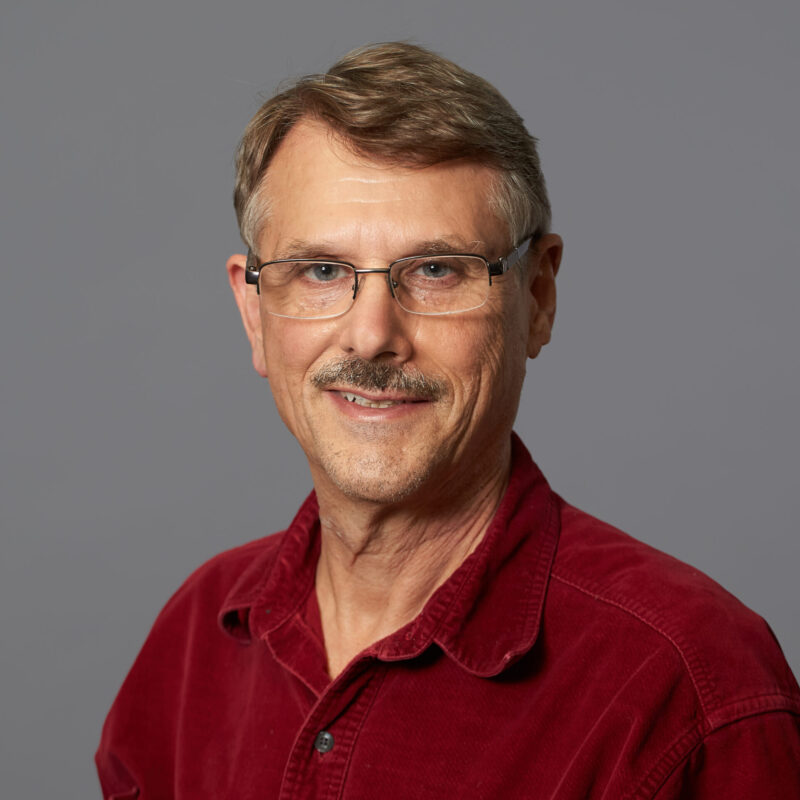
Dr. Gordon Guyatt
Distinguished University Professor, McMaster University
In this episode
00:00 Welcome and introduction 03:00 Learning from Dr. David Sackett 05:00 Bringing critical appraisal to the bedside 06:30 A master's instead of physiology 09:30 Naming it: scientific medicine or evidence based medicine 13:00 The 1992 JAMA paper 16:00 Three principles of EBM 20:30 How patient values entered the picture 25:00 The Users' Guides as a curriculum 27:00 Why EBM caught on 31:00 From GOBSAT to trustworthy guidelines 38:30 Preprocessed evidence 44:00 How trustworthy are guidelines today? 48:00 Resources for trainees
Select a timestamp to play the episode from that point.
Dr. McGavock: [00:00:00] Welcome to the Emerging Scholar podcast. We hope you enjoy this series of great conversations with leading medical researchers that's designed for graduate students,
Dr. McGavock: medical trainees, residents, and fellows to help you on your journey towards your first scientific project
Dr. McGavock: Welcome everyone to the Emerging Scholar Podcast. This is a teaser for season two with a legend in the field of clinical epidemiology worldwide and in Canada. Today we have the distinct honor of speaking with Dr. Gordon Guyatt, a pioneering figure in modern medicine whose work has fundamentally reshaped how clinicians approach patient care.
Dr. McGavock: Dr. Guyatt is a distinguished professor at McMaster University and is internationally renowned for coining the term evidence-based medicine or EBM. EBM introduced a paradigm shift in the way that we integrate clinical expertise with the best available research and patient [00:01:00] values to guide medical decision-making.
Dr. McGavock: Dr. Guyatt played a pivotal role in developing the GRADE system, grading of recommendations, assessment, development, and evaluation, a framework now adopted by over 100 organizations worldwide, including the WHO, to assess the quality of evidence and strength of healthcare recommendations. With over 1,500 peer-reviewed publications and citations exceeding 100,000, Dr. Guyatt is one of the most cited and most influential medical researchers working in the field to date. His work has been instrumental in advancing methodologies for clinical trials, systematic reviews, and the development of clinical practice guidelines. In recognition of his groundbreaking work, Dr. Guyatt has received numerous accolades, including induction into the Canadian Medical Hall of Fame, and that currently he is on a tour after receiving the very prestigious Henry Friesen Award from the Friends of CIHR, and we're fortunate to have him here in Winnipeg in the coming weeks to present his work here in this podcast.
Dr. McGavock: We delve into Dr. Guyatt's journey as an early career clinical investigator, how he developed the concept of EBM and teaching EBM to clinical residents. We explore the origins of evidence-based medicine here in Canada, specifically at [00:02:00] McMaster University, and how this has impacted both the teaching, appraisal, and conduct of research in the medical field.
Dr. McGavock: We're super fortunate to have Dr. Guyatt here, and I hope you enjoy this interview as much as I did
Dr. McGavock: Welcome to the Emerging Scholar Podcast. My name's Jon McGavock. I'm hosting today, and with me today is Dr. Gordon Guyatt, uh, who many consider the father of evidence-based medicine. Dr. Guyatt, welcome to the show. How would you introduce yourself?
Dr. Guyatt: I am a distinguished professor of medicine and health research methods at McMaster University in Hamilton, Ontario.
Dr. McGavock: And a recent winner of the very prestigious Henry Friesen Prize in Medicine Yes,
Dr. Guyatt: thank you
Dr. McGavock: So for any listeners here in Canada, you may see Dr. Guyatt on a tour through your institution as he's delivering lectures for this prize. Is that correct?
Dr. Guyatt: That's right. It's a, a unique award in Canada that you win the award, and instead of just congratulations, they give you work to [00:03:00] do.
Dr. Guyatt: And the work to do includes a little tour across Canada giving the Friesen Lecture.
Dr. McGavock: Nothing's free.
Dr. Guyatt: Uh, not in this case.
Dr. McGavock: Not in this case. Okay, so evidence-based medicine, everyone here will have heard that concept, heard that term. Hopefully they would have had a class in that. For you on your journey, I think it started at McMaster, where did you enter into this space?
Dr. Guyatt: Oh, well, my mentor was a guy named Dave Sackett. And Dave Sackett was, uh, one of the founders of clinical epidemiology. So clinical epidemiology got started in the mid-1960s, and the notion of clinical epidemiology was take the principles of traditional epidemiology, which is public health, essentially in public health, looking at population issues, and apply that to clinical care.
Dr. Guyatt: And so people started doing that, and they started developing a new science of clinical care research, clinical care [00:04:00] inquiries. And out of that, Dave Sackett said, "Okay, we should start teaching critical appraisal." And that came because when clinicians then were training, certainly when I was training as a medical student, we s- knew nothing and were introduced nothing about how to read the literature.
Dr. Guyatt: And so, of course, as a matter of fact, what we were told, "Read the introduction and discussion." That's what was... That was the advice we were given, and that was about it. And so, uh, Dave said, "Well, let's... Clinicians should be, uh, have some idea about how to read methods and results," and he called it critical appraisal, and Dave was my mentor, that Dave had the next idea that was started as a classroom activity.
Dr. Guyatt: And then he started to say, "Well, how about taking this critical appraisal, not just a, a journal club looking at an article, but how about trying to apply it to [00:05:00] clinical care?" And he called it bringing critical appraisal to the bedside. And so a, a number of us started to bring critical appraisal to the wards and outpatient clinics.
Dr. Guyatt: And instead of just reading an article because it was there, we had a patient in front of us. Mm-hmm. We had a problem we had to solve, and we had to decide how to best manage this patient And then went to the literature to find something that was directly re-relevant to the patient and that would help us manage the patient optimally.
Dr. Guyatt: And when we started to do that, it felt like a different way of practicing medicine because prior to that, how did you decide what to do? Physiologic rationale, your personal experience, the experience of people around you and your mentors, and what some expert had written somewhere. That was what you did.
Dr. Guyatt: And you never asked the question, what is the evidence behind what you were [00:06:00] doing? And never tried to address that yourself because you weren't trained to address it yourself. Right. You had no idea
Dr. McGavock: how to address it yourself.
Dr. Guyatt: And it really felt different to be stopping and saying, "What's the evidence behind this?"
Dr. Guyatt: And find it and try to apply it to the patient. Well, I was very ex- th- this really excited me, and I thought, "Oh, we should be teaching all our residents this."
Dr. McGavock: Yeah. And- So what, what classroom were you in when you were getting this teaching from David Sackett? Were you a fellow at the time?
Dr. Guyatt: Well, I s- I remember my, uh...
Dr. Guyatt: When I was a resident myself, uh, Dave ran a 12-part series on critical appraisal, and I took this 12-part series of critical appraisal and I said, "Oh, now I'll be able to read the medical literature." And I started to read the methods and results, and I found out after this 12-week course, I had no idea how to read-
Dr. Guyatt: the methods and results, and I [00:07:00] quickly gave up.
Dr. McGavock: Yeah.
Dr. Guyatt: But then as, uh, I was completing my training, I was then in a, uh, respirology pulmonary disease program, and they had a year of research.
Dr. McGavock: A whole year?
Dr. Guyatt: And their year of research was physiology.
Dr. McGavock: Right. Yeah.
Dr. Guyatt: McMaster had leaders, uh, Moran Campbell and Norman Jones, who were world-class respiratory physiologists.
Dr. Guyatt: I had no interest in doing that. No, not for me.
Dr. McGavock: Because you had just taken this 12-week class.
Dr. Guyatt: Well, I'd done that a year or something before this event- Yeah ... that... But, but you're right that that 12-week course at least had given me an idea that there was something else. And so I negotiated, instead of doing this year of physiology, um, I was going to do...
Dr. Guyatt: go and do the master's in clinic- clinical epidemiology-
Dr. McGavock: Oh ...
Dr. Guyatt: as an alternative to this physiology research. I [00:08:00] heard subsequently that after this, they said they would never let anybody do it again. So I, I was, I was a once-off doing this. Um, but then as I was, uh... I remember I was partway through my second course in the master's program and I found, hey, now I can actually read the methods and results after this much more intense exposure to- So at any rate, having done that, then we're doing the critical appraisal.
Dr. Guyatt: We're bringing critical appraisal to the bedside and the wards, and then this is feeling like a different way of practicing medicine. And so I thought, "Oh, we should be teaching our residents this." So I competed against the more senior guy for director of the residency program and presented this vision of what it might be, and they gave me the job.
Dr. Guyatt: And now I start doing a very different residency program which [00:09:00] includes teaching people about critical appraisal. Except by this point it's clear this is something different from critical appraisal. This is a new way of practicing medicine.
Dr. McGavock: Right. Were you in that class when the group from McMaster published a series of papers in CMAJ about how to read the literature in the '80s?
Dr. Guyatt: That was underway and at the last stages of that series when I started doing my master's in ClinEpi-
Dr. McGavock: Okay ...
Dr. Guyatt: and joined the faculty. Was just finished the series. I was not part of that series. It was just finishing up.
Dr. McGavock: Okay. So you're carrying on, but there was something brewing in McMaster.
Dr. Guyatt: So as I said, it was there had been critical appraisal, and then there was bringing critical appraisal to the bedside, and then there was this extremely popular series in the CMAJ.
Dr. Guyatt: So yes, there was something more than brewing. There was something really going [00:10:00] on. What the next step after all this was this vision that this was actually a new way of practicing medicine.
Dr. McGavock: And you would call that evidence-based medicine.
Dr. Guyatt: So I'll tell you the story, that story. I now am taking over the residency program, and I wanted to let people know if you come to McMaster, you expect to be doing something different that's not being done anywhere else, for good or bad.
Dr. McGavock: So when they're interviewing, you're telling them- Right ... if
Dr. Guyatt: you come here for residency- Even before I'm interviewing, I want material to be sent around to the people apply, and I want to say, "Come to McMaster to do..." What? Something. It needed a name. It needed a name. And my first idea about the name was scientific medicine, and I was introduced now as the new director of the residency program by my chair, chair of medicine, a guy named [00:11:00] John Cairns.
Dr. Guyatt: I was introduced at an evening meeting of the Department of Medicine. I had circulated a 10-page document which unfortunately has been lost to time. Yeah. But I had this 10-page document to say here's what I wanted to do as director of the residency program. We are going to teach scientific medicine. And the first faculty member who was going to ask a question was so angry he was shaking as he asked the question because this McMaster faculty was full of some quite impressive basic scientists.
Dr. Guyatt: Yeah. And at that time, clinical epidemiology was for the not so smart people- Yeah ... who couldn't do basic science things. Right. We were very second class, and here we were calling ourselves the scientists when they were the scientists. Oh, I can imagine. Yeah. And they were angry. Uh, during that, you know, I was [00:12:00] answering questions, and I was told the guy who was sitting beside John Cairns, the chair, that John Cairns three times started to stand up to say, "Okay, enough.
Dr. Guyatt: Please sit down." Each time I somehow managed the interaction that he had. But at the end of 45 minutes, I knew what some of my colleagues thought of what I was doing, and I knew I was not going to call it scientific medicine.
Dr. McGavock: Right. Uh- 'Cause the, the implication is before you, there was no such thing as science in medicine, which would've just driven everyone crazy.
Dr. Guyatt: That is exactly right.
Dr. McGavock: Yeah. So- Very good term though. I like the term ...
Dr. Guyatt: so my thought, what else am I gonna call it? And my second try at what I might call it was evidence-based medicine, and that turned out to be a good choice in that it became, in an extraordinarily short period of time, everybody knew about evidence-based medicine.
Dr. Guyatt: And where it really hit the big time was in a 1992 [00:13:00] publication in JAMA.
Dr. McGavock: Mm-hmm.
Dr. Guyatt: And in that night we were not modest. We said, "Evidence-based medicine: a new way of teaching the practice of medicine."
Dr. McGavock: And you referenced Thomas Kuhn. It was bold.
Dr. Guyatt: We said, because Thomas Kuhn was of course the, the philosopher of science.
Dr. Guyatt: Yeah. And he said he was talking about change in scientific paradigms. And his examples of scientific paradigms were things like the way we thought about the human mind and conscious and subconscious before and after Freud.
Dr. McGavock: Right.
Dr. Guyatt: And how we thought about physics, the Newtonian physics switching to Einstein physics.
Dr. Guyatt: These were the paradigms. And we said, well, you have the Freudian switch- ... and the Einsteinian switch, and now you have another switch.
Dr. McGavock: And we're it, and it's McMaster. We
Dr. Guyatt: were, we were not modest. We were not modest.
Dr. McGavock: No, it's a wonderful paper, and we're gonna link to it 100%. I just wanna go back before I ask you what your definition of EBM is from like '92, [00:14:00] that '92 paper, and whether it's changed now.
Dr. McGavock: But one thing I'd like to just say to you that impressed me when I did this deep dive is how brave it was and how vuln- I don't know if vulnerable is the right word, but yourself and David Sackett are saying medicine has been practiced based on authority figures. My clinical experience in 30 years practicing at the bedside in this respiratory department gives me the credit and gives me the power to tell you how to practice.
Dr. McGavock: And you're both saying to your residents, "No. Like, we still have to go to the literature and do this." And so you're taking a little bit of your own seniority away from this and telling residents, "Don't just trust me. Go back and do it." And the second thing is you had to go photocopy all the papers, right?
Dr. McGavock: It's not like... I don't know if residents are gonna get this, but, like, you had to have a library card and a photocopy card and go find the articles and bring them e- to the bedside, no?
Dr. Guyatt: Well, yes. And first you had to go to the big tomes of Index Medicus- ... these big books, and [00:15:00] search through to find the thing.
Dr. Guyatt: This was not easy. To be quite honest, EBM was a bit of a hoax at the beginning- Okay ... because really there was no way anybody could actually do this except in a very, very limited way. Because going to the library, going through the thing, finding an article, going and photocopying the article, bringing it out on the ward-
Dr. Guyatt: it was, uh-
Dr. McGavock: But you give that example in the '92 paper, right? Like the resident, it'll only cost you $2.68 to like
Dr. Guyatt: get this. Yeah. We, we did. It would never have seriously worked. Fortunately, it happened just at the beginning of the information revolution.
Dr. McGavock: Right.
Dr. Guyatt: And then before too long, you would write to the Library of Medicine, and they would send you some floppy disks-
Dr. Guyatt: to, uh, to put in your computer and so on. Yeah. And then it wasn't too long before we h- it was evolving to what we know nowadays where [00:16:00] it is highly feasible because- Oh, yeah ... the incredible access we have to the literature.
Dr. McGavock: Before we dive into that '92 paper, how do you define EBM?
Dr. Guyatt: Okay. I characterize, I'm not sure I would call it a definition, I characterize EBM with three fundamental principles. And the only principle that was around in 1992 was some evidence is more trustworthy than others, and we need to look to the most trustworthy evidence available in managing our patients.
Dr. Guyatt: When we have a question about how to manage a patient, we have to look for the evidence, and the first principle is when we look at the evidence, there is some more trustworthy evidence. You can differentiate between what is more and less trustworthy.
Dr. McGavock: Mm-hmm.
Dr. Guyatt: [00:17:00] And then a second principle came along not long after.
Dr. Guyatt: That was also another part of the EBM revolution with systematic reviews.
Dr. McGavock: Mm-hmm.
Dr. Guyatt: Systematic reviews were not around before 1990. The- Unbelievable ... uh, traditional narrative reviews, which with the same experts that you referred to, just telling them, "Here's the way I think about it, folks." And so systematic reviews came along.
Dr. Guyatt: So the second principle of evidence-based medicine is we need systematic summaries of the evidence to know what is the best evidence to apply. The totality of the evidence. And then the other thing that happened as we started to do it, we were teaching it with our residents. We said, "Okay, here is... Let us take one of these systematic reviews, and let's look at the evidence.
Dr. Guyatt: Should we be doing, managing our patients with intervention A?" And we said, "Well, here's the evidence. Here are the benefits, and here are the harms. Now, [00:18:00] what should we do?" And it's, in retrospect, maybe remarkable that it didn't, this didn't occur to us in the beginning. It was only when we started to really get into it on the wards and outpatient clinics that we realized The evidence doesn't tell you what to do.
Dr. McGavock: No.
Dr. Guyatt: It tells you what the benefits are.
Dr. McGavock: Yeah.
Dr. Guyatt: And it tells you what the harms are, but it doesn't tell you what to do. And so by the year 2000, we were announcing to the world that there is a third principle of evidence-based medicine, a somewhat ironic third principle, that evidence itself never tells you what to do.
Dr. Guyatt: It's always evidence in the context of patient values and preferences. Right. You have the good things about an intervention and the bad things about an intervention, and somehow you've got to trade off these benefits and [00:19:00] harms. And to do that, there's only one way of doing that, and that's through patient values and preferences.
Dr. Guyatt: So we have in the end three principles of evidence-based medicine. Some evidence is more trustworthy than others. We need systematic summaries of that best evidence- Mm-hmm ... to decide how to help our patients. And thirdly, the evidence itself never tells you what to do. It's evidence in the context of values and preferences.
Dr. McGavock: You kind of highlight that in that '92 paper in the sense that you say we're de-emphasizing unsystematic clinical experience, we're de-emphasizing the pathophysiological rationale- That is, that is- But we're not removing it ...
Dr. Guyatt: that is absolutely right. But you can parse that first paper as carefully as you want.
Dr. Guyatt: There is not the slightest hint of reference to patient values and preferences. No. Not the slightest. This is something in my evidence-based medicine should take credit for. It [00:20:00] wasn't there. The doctors were just making the decisions, and that's how we looked at it. Right. To us, we're announcing EBM to the world-
Dr. Guyatt: and values and preferences aren't in our mind. We're still within this paternalistic parental approach to patient care. Patient, here's what you should do. And it's only in applying EBM and looking at the benefits and harms in a structured way that made us realize that values and preferences were part of every decision- Mm-hmm
Dr. Guyatt: and it had to be the patient's. It wasn't there in '92 at all.
Dr. McGavock: That's a great way, like being humble about that too and saying, you know, we made a mistake. Or not made a mistake- Oh, it was a- ... but we left this out ...
Dr. Guyatt: it, it was a huge limitation. Yeah. We absolutely didn't get it at the beginning.
Dr. McGavock: So did that come from getting pushback from the '92 paper, or was there a watershed moment for you where someone said, "Hey, we're not including the patient"?
Dr. Guyatt: It came from doing EBM with the residents.
Dr. McGavock: [00:21:00] Oh.
Dr. Guyatt: It came from, okay, let's do EBM. Okay, should we anticoagulate people with atrial fibrillation? Oh, here are the benefits. Oh, we're gonna reduce some strokes. Unfortunately, we're gonna create some serious gastrointestinal bleeds. Now, what are we going to do? Now it seems pathetic perhaps that it didn't strike us before, but it then started to strike us, well, it depends how many strokes you reduce and how much you value that stroke reduction, and it depends how many bleeds you cause and how you value that increase in bleeding.
Dr. Guyatt: It was through doing EBM. Yeah. It was through saying, okay, let's look at the literature. Let's find out what the benefits are, what the harms are. Let's look at how certain or confident we are in that evidence 'cause we may not be that confident. Now what do you, what do you do with hormone replacement therapy?
Dr. Guyatt: Mm-hmm. As it turns out, [00:22:00] you have evidence that it reduces major cardiovascular events, it reduces strokes, it reduces heart attacks, it reduces cardiovascular death, and may have some bad things, may cause some breast cancer, but there's enough of the reduction in cardiovascular death that we should tell all post-menopausal women to take hormone replacement therapy.
Dr. Guyatt: And for a while, that's what we were doing. Yeah Except we didn't note the people promulgating this did not notice that we only had low-quality evidence from observational studies- Mm-hmm ... about this reduction in cardiovascular risk. And when we got around to doing the randomized trials, no, sorry, we don't have that reduction in cardiovascular risk.
Dr. Guyatt: So that's another thing that emerged. It's not only that you trade off the benefits and the harms. You do it noticing whether there's low-quality [00:23:00] evidence or whether there's high-quality evidence, 'cause it is different. If you only have low-quality evidence for the benefits, maybe not such a good idea. So it was in...
Dr. Guyatt: As we applied the EBM principles, it was this realization there's values and preference decisions all over the place. In fact, in just about every decision, there's values and preferences. Maybe you could easily say in every decision. Sometimes the balance is very clearly on one side or the other. But those values and preferences are there all the time.
Dr. Guyatt: So it, it was with the re- residents, it was as we applied it with the residents, we said, "Okay, here's the story. Here's the benefits, here's the harms. Here's, well, we're maybe not so confident in the benefits. Maybe we're more confident in the harms. Now what do you do?" Right. It was through that process that the essential aspect of values and preferences became evident to us.
Dr. McGavock: So what was that journey like? So from '92 to '97, you're teaching it during half days, uh, and-
Dr. Guyatt: [00:24:00] Not the most important place we're teaching it. On the wards. That is... I, I was, uh, I, I've done mainly inpatient care throughout my life, and it was teaching it on the wards as we took care of patients.
Dr. McGavock: Right.
Dr. Guyatt: You know, half day, it's still classroom.
Dr. Guyatt: What changed from critical appraisal to evidence-based medicine was it's not a classroom activity. It's an activity that happens as you take care of patients.
Dr. McGavock: And I think you said at some point, it's a mirage to think that your hospital's practicing evidence-based medicine if you're not applying it at the bedside.
Dr. Guyatt: That's correct.
Dr. McGavock: And that your whole faculty's not trained in how to teach that way or how to practice that way.
Dr. Guyatt: You were referring to what the pushback, and again, we were not shy about it, and it didn't enhance our popularity to make it very clear to people, "Sorry, folks, you thought you were being trained as a complete physician.[00:25:00]
Dr. Guyatt: There was a major part left out of your training, and you are now think you're a senior hotshot knower of the whole thing. Sorry, there was something missing." This was not good news to a lot of people.
Dr. McGavock: No. So part of it is now you're training your colleagues, and now- Yes ... and you're training your colleagues at the same time you're training residents.
Dr. McGavock: And is that where the JAMA Evidence resources started to come about?
Dr. Guyatt: The, the first article Um, was a new approach to teaching the practice of medicine. And so the JAMA User's Guide, which started in 1993, there was the, what, the flagship laying down the gauntlet of evidence-based medicine in 1992 in that JAMA paper.
Dr. Guyatt: Mm-hmm. And then in 1993, the User's Guide to the Medical Literature, which in our minds at the time was we needed a curriculum for our residents. We're gonna teach them EBM, we [00:26:00] need a curriculum. Yeah. And the User's Guide is the curriculum. And again- And also...
Dr. McGavock: But
Dr. Guyatt: sorry to
Dr. McGavock: interrupt. Yes. Like whoever's teaching that curriculum has to understand it themselves.
Dr. Guyatt: Exactly. So it's a- So yes, it was for the, the first thing they were written well enough to end up becoming the curriculum for EBM because EBM took off with amazing rapidity, and everybody looked to the User's Guide to Medical Literature- Mm-hmm ... to start teaching their residents about EBM. So it was definitely in our minds as we did it for residents, that was the major focus in our heads, but also for medical students, and then subsequently for nursing students- Mm-hmm
Dr. Guyatt: and physiotherapy students and occupational therapy students, et cetera, et cetera.
Dr. McGavock: Yeah. That's where I became most familiar with it, was trying to use that user's guide and then use the, uh... use those tools. And then the more I [00:27:00] look back at the history of this, I also feel like... Well, one, I'd like to know, like why'd it catch on?
Dr. McGavock: You know, this was a huge paradigm shift, which often takes decades to kind of formalize, but how did it catch on so fast? What, what was so exciting about this for practicing physicians?
Dr. Guyatt: I'm not sure it was exciting at all for practicing physicians, for only a very small minority. Um, because as we just said, you think it's all in the bag.
Dr. Guyatt: You got it. You are to- Yeah. Whoops. No, no, no. Back to the drawing board. Yeah. Something that you never thought you would have to do. Yeah. So I'm not sure it was all that exciting. It was, uh... I think for many people it was not good news.
Dr. McGavock: So how did it catch fire? How did it become so
Dr. Guyatt: quickly- Well- ... adopted and-
Dr. Guyatt: this is... When I'm asked that question, I have to say, "Hey, look, I'm an evidence-based guy." I'm not even sure what branch of social science you [00:28:00] would need to be an expert in to answer that question. Whether it is political science or whether it is sociology- Okay ... or whether it is social psychology, I suspect all of those things.
Dr. Guyatt: So do I know why it took off? I don't. I do know that, uh, there was one guy who, uh, as a PhD thesis, it's too bad he... Events happened so that he never ended up writing the book that should have come out of it. His idea was that American medicine was at a crisis.
Dr. McGavock: Mm.
Dr. Guyatt: So one of the things, for instance, that was coming out was John Wennberg's work about small area variation, that in one place 90% of the kids were getting tonsillectomies, and in another place, 10% of the kids were getting tonsillectomies.
Dr. McGavock: Yeah.
Dr. Guyatt: And the, there was huge various small area variations. [00:29:00] It could have been right next to one town- Mm-hmm ... right next to... Mm-hmm And, and medicine was being practiced differently And this, among other things, was creating something of a crisis within medicine. It was obvious to everybody there is something wrong- Mm-hmm
Dr. Guyatt: when in one town it's 90% kids getting tonsillectomy, and down the road it's 10% of the kids getting tonsillectomy. There is something wrong here.
Dr. McGavock: And you don't wanna
Dr. Guyatt: be that-
Dr. McGavock: Uh- You don't wanna be the down the road guy.
Dr. Guyatt: Yeah, yeah, yeah. Well- Right?
Dr. McGavock: There's, like,
Dr. Guyatt: peer pressure ... who knows, who knows which one- Right
Dr. Guyatt: and who knows which one is the right way to do it. And EBM addressed that problem. EBM said, "Okay. We have the tools to find out whether it should be 10% or 90%. We have the tools to find out whether it should practice this way or practice the other way." Why it took off so [00:30:00] quickly, that's the best I can do.
Dr. Guyatt: The people were saying there is something wrong with the way medicine is being practiced, and the leadership within the, particularly the US medical co- communities, really US and Canada where it got started, but they said, "Okay. We've got an answer." Where before EBM 10%, 90%, you'd ask the one expert it says 10%, the other expert says they should all have it, so then one other expert says, "Nah, very few should have it."
Dr. Guyatt: Then what do you do? This is a big problem. And then EBM came along to say, "We can solve that problem." Yeah. We have methods. We have standards of deciding. We have the evidence. We look at the evidence. We can do studies, and at the end of the study we'll tell you whether it should be 10% or 90%. That's my notion.
Dr. Guyatt: Now, whether it's true or not, I don't know, scientist or a sociologist or so on. Yeah. But that's my notion of why it took off so [00:31:00] quickly.
Dr. McGavock: But it also falls in line with the explosion of clinical practice guidelines to say, "Okay, we're all gonna have this standard," right? In diabetes-
Dr. Guyatt: Well, that followed along.
Dr. Guyatt: The emergence of practice guidelines happened in parallel with the emergence of evidence-based medicine.
Dr. Guyatt: Now
Dr. McGavock: clinical guidelines are not just, okay, we're doing this 'cause Guyatt said we should, right? Or we're doing this 'cause this is what
Dr. Guyatt: they do Well, at, at, at the beginning, no, it wasn't we do this because Guyatt says. It was we do this because group of experts instead of just two or three write the article.
Dr. Guyatt: Mm-hmm. Oh, now we have a group of them. They sit around, and it was described at the beginning the way the NIH did it. We stick them in a room, we lock the door, and we give them two days, and we let them out when they've got some [00:32:00] recommendations. And at the beginning, it started with the science of individual studies and saying, "Okay, what's the best study design for addressing issues of interventions?"
Dr. Guyatt: Well, it's randomized trial.
Dr. McGavock: Mm-hmm.
Dr. Guyatt: And by the way, maybe there can be good randomized trials and not so good randomized trials, and we better make sure concealment and blinding and complete follow-up. So now we've got a science of how to answer in particular questions of interventions And then another science came along, which was the science of systematic reviews.
Dr. Guyatt: So now, systematic reviews weren't there before 1990. When we started, the systematic reviews were just getting started. But now we have a science, okay, we have to have a structured clinical question, patient's intervention, comparators, outcome. We have to do a comprehensive search of the literature. And here's how [00:33:00] you do a comprehensive search.
Dr. Guyatt: Make sure you have it. Mm-hmm. Uh, then we need to assess the risk of bias of the studies. We have formal eligibility criteria, and we need to do things in duplicate, et cetera. So now we sh- we had a science of how to do the individual studies. We had a science of how to do systematic reviews so that you get credible, robust, rigorous systematic reviews.
Dr. Guyatt: Then guidelines come along. And guidelines, you lock the experts who at that stage did not know... You hand them a study, they're physiologists. They don't actually know how to, how to evaluate the study. They have no idea how to look at a systematic review, and you tell them to make recommendations. And we came up with a name of what when clinical practice guide- guidelines got started, they all followed the GOBSAT model.
Dr. Guyatt: And the GOBSAT model [00:34:00] is good old boys sitting around a table. And- Smoking cigarettes. That's right. Well, by that time they were gone. By that time they weren't, but yeah. Good old boys sitting around a table. Sitting around a table. GOBSAT. Like- No science. What then developed, another evolution of evidence-based medicine.
Dr. Guyatt: So at the beginning, did the residency program and we did the user's guide and so on. It was under the illusion that at the end of residency training, our residents would be able to read the methods and results and do a sophisticated critical appraisal of the article. And after seven years as director of the residency program, I realized that was an illusion.
Dr. McGavock: Yeah.
Dr. Guyatt: And, and only as I was realizing it was an illusion did I remember my own experience that I told [00:35:00] you about earlier in this conversation, where I went through Dave Sackett's 12-week course in how to read the literature. Yeah. And at the end I said, "Now I'm equipped to read the literature." And I looked at the methods and results, and I could not make head nor tail of it.
Dr. Guyatt: I was halfway through my master's in clin epi when I now could read the medical literature. I'd forgotten this. Yeah. And you know, you'd think I, I would be a guy who would naturally pick it up pretty quickly, and after that 12-week course, I couldn't do it.
Dr. McGavock: Right.
Dr. Guyatt: And it took seven years as residency director to say, "That is not realistic."
Dr. Guyatt: So now what are we gonna do?
Dr. McGavock: Sackett couldn't do it. I couldn't do
Dr. Guyatt: it. Now- Now what are we gonna do? Now what are we gonna do? Yep. We've got to have... The systematic reviews can help, but they need guidelines. So we need pre-processed evidence, and we need guidelines that summarize the [00:36:00] evidence in a way that's understandable, tell people what the quality of the evidence is, and make some suggestion about how they might balance patient values and preferences in what to do.
Dr. Guyatt: Mm-hmm. Somebody else needs to do that for the individual clinician. This was a wake-up call, right? We realized. So now there was actually a shift in the leadership, in the activities of the leadership in evidence-based medicine. Prior to that time, it was all about teaching the individual clinicians how to read and use the literature.
Dr. Guyatt: And now we said, "No, that's not going to work. Okay? We need to think about it in a different way." So big shift in the leadership. Now w- we've got to teach these folks who are producing the guidelines how to produce evidence-based guidelines. And so [00:37:00] now we needed a science of producing guidelines. We'd had the science of the individual studies.
Dr. Guyatt: We had the science of the systematic reviews. Now we needed a science of guidelines. First got started in the user's guide, 1995, our first article, How to Use a Guideline. And the next large number of years now , 30 years or so, has been a major activity r- of m- setting standards for trustworthy guidelines.
Dr. McGavock: Yeah, and in between, we also had to set standards for how to report on randomized control trials or how to do randomized control trials. We also had to do guidelines for how to report and conduct systematic reviews. I feel like each time you open a door saying, "Okay, I got it," there was like, "Oh my God."
Dr. Guyatt: All the trials That is, you're, you're exactly right. And that is the science of doing the randomized trials had got started, uh, in the mid-'60s. So by the time 1990 EBM comes [00:38:00] along, there's been a lot of work at, first of all, knowing you'd need randomized trials, and secondly, how to do randomized trials.
Dr. Guyatt: That was in pretty good shape- Okay ... in 1990 when we started. But then systematic reviews came along. Right. No science- Nothing ... of systematic reviews. Yeah. So then we had to develop the scientific standards for systematic reviews. And then we're getting that going and it's coming along. Took, took a while to really get it down, but that's going along okay.
Dr. Guyatt: And then suddenly we realized, man, we've got all these GOBSAT guidelines. And now we need a science of how to do the guidelines so that they're rigorous and scientific. Mm-hmm. So yes, it was addressing a series of challenges to get the information to clinicians they need for optimal evidence-based care.
Dr. McGavock: Yeah. Each time you think, "Okay, this week I'm able to go back to the bedside and just apply all this," there's like, here's another battle I've, I've got to overcome. You used the term pre-processed. Yes. So for listeners [00:39:00] that, uh, might be worried that we're pre-processing that, what does that mean? Like, what is a pre-processed-
Dr. Guyatt: Well, so we still teach clinicians the principles of judging the merits of individual studies, but we do that just so they know that there are credible principles.
Dr. Guyatt: There's a way- Mm ... of making the judgments Not so they're gonna be able to do this themselves. So somebody has to look at the individual studies, and as you just put it a few minutes ago, how well were those randomized trials done? And not how well they were done in terms of risk of bias, and what was their sample size, how precise were they, and which population did they study, who can you apply it to, and how was the intervention administered, and what are the implications about a- applicability for that?
Dr. Guyatt: And then you need to say, "Okay, you need to do the [00:40:00] systematic reviews, follow the principles that I laid out earlier of doing a systematic review, bring it all together." And then there's the first processing of how well are the individual studies done, and then the next processing of bringing all the evidence together and summarizing it in a way, and deciding whether this is high, moderate, low, or very low certainty evidence- Right
Dr. Guyatt: is a crucial part of the picture. So that was the pre-processing. The pre-processing is look at the individual study, how well is that done, and then taking it into the systematic review and coming up with the bottom lines is, here's our best estimate of the effect on heart attacks and on strokes and on gastrointestinal bleeding and on adverse effects that the patient experienced, et cetera, et cetera.
Dr. Guyatt: We have then this processing that tells us, okay, looking at the whole body of the literature and all the studies, and we, we know how to pick out the best studies, the, the highest quality studies. We [00:41:00] take those quality studies, we process them to come up with some bottom lines of our best estimates of the effects of the intervention versus the comparator on the outcomes that are important to patients.
Dr. Guyatt: Mm-hmm. We have all that processed. And then there's another level of processing, and the level of processing is how do you take that information and end up with a trustworthy guideline applying patient values and preferences? Right. How do you d- how do you make those judgments so you end up with a trustworthy guideline?
Dr. Guyatt: That's another level of process.
Dr. McGavock: So guidelines in the '90s didn't consider patients in there or didn't include patients
Dr. Guyatt: And it was-- I still remember I was-- Dave Sackett was, uh, and Jack Hirsh started what was the American College of Chest Physicians Antithrombotic [00:42:00] Guidelines. And at, at the time these were being done, the experts were getting together, and they had no idea they were making value preference judgment.
Dr. Guyatt: They were not... And when I say that, I'm not in-- It's no surprise. I told you at the beginning, we didn't realize- Right ... we were making value preference. Yeah. No one was thinking about this. Here I'm not throwing rotten tomatoes at the experts. We didn't know at the beginning. The whole system. But through doing evidence-based medicine, we had realized that we were making value and preference judgment at every stage.
Dr. Guyatt: But these people doing the GOBSAT guidelines, they didn't know they were making values and preference judgment. Just like at the start, we didn't know. Right. We thought, you know, the doctor, you tell us what the evidence is, we know what to do So I remember being at one of these, uh, American College of Chest Physicians guideline meetings, and I got up and basically said, "You guys, uh, if you're making recommendations, you're making value and preference judgments.
Dr. Guyatt: And if you say, 'Oh, it's [00:43:00] not our business to make values and preference judgments,' I say, 'Okay, don't make guidelines. Just summarize the evidence and let somebody else make the value and preference judgment.' " Every time you make a recommendation, you're making a value and preference judgment whether you like it or not.
Dr. Guyatt: You're either making it in- unconsciously and implicitly, or you're actually confronting the fact. And this was more unwelcome news. I remember when I presented this, I got down and I overheard, uh, John Cairns was there, my chair, and Jack Hirsh was there, and a guy named Jim Dalen, who were the leaders of these particular guidelines.
Dr. Guyatt: And I heard John Cairns say to Jack Hirsh, "Did you know he was gonna do that?" Because I had thrown out something and said, "Okay, guys, once again, you think you've been making guidelines-
Dr. McGavock: Yeah ...
Dr. Guyatt: you have been in the dark."
Dr. McGavock: And someone's gotta shine that light. And thankfully you did 'cause now the way guidelines are done...
Dr. McGavock: Well, actually, they're not all done well, so now we've actually [00:44:00] got a critical
Dr. Guyatt: way to
Dr. McGavock: look at systematic
Dr. Guyatt: or,
Dr. McGavock: uh,
Dr. Guyatt: guideline development. We are just, we are just, we are just about we- in a short time, we're going to publish a paper, and people got the message that there were the GOBSAT. And there were various things about GOBSAT that including completely ignoring conflict of interest.
Dr. McGavock: Yeah. You
Dr. Guyatt: had people who were paid off by the drug companies- Yeah ... making the recommendations about the drugs they were paid off about. Yeah. I, I could go through again, just as there's a whole set of standards for doing a randomized trial, set of standards for systematic review, there's a whole set of standards for doing a trustworthy guideline.
Dr. McGavock: Mm-hmm. We'll link to those. Agreed. I think it's, it's so important. Like, we'll put links to all this so that trainees and ac- well, guideline people making guidelines will have these resources- Exactly ... at their fingertips, yeah.
Dr. Guyatt: Oh, exactly. So the Institute of Medicine that has a landmark publication in just around 2001 or something, 2002, in, in that range.
Dr. Guyatt: And it said, "Guidelines we can trust," a, a way of characterizing it. [00:45:00] The evidence-based community had been... In 1995, we wrote our first paper about In retrospect, trustworthy guidelines are a user's guide. And by the early 2000s, the word was out that there should be standards. And the Institute of Medicine, very prestigious group, put out a monograph on trustworthy guidelines.
Dr. Guyatt: So now there are standards being promulgated. And shortly after that, there was a paper published about, took a random sample of guidelines and said, "To what extent do they meet these standards?" And the answer was no, they do not meet these standards. I got my years wrong. It was 2010, 2011 that, that, that they did this.
Dr. Guyatt: And there was an editorial that went with that paper. It was entitled, "In Guidelines We Cannot Trust." Uh, nice title. Yeah. Um, so [00:46:00] about a decade after these Institute of Medicine monograph, after they were out, we just went back and we developed instruments out there to decide what a trustworthy guideline is, and they needed some modification.
Dr. Guyatt: We made some modification to the instrument, and we went back to the random sample of the 2012 guidelines, and then a little more than a decade later, and we compared them. And there were huge problems in the guidelines from the 2010 or the later era. And things are better a decade later, but not much.
Dr. McGavock: Oh, no.
Dr. McGavock: So even the guidelines-
Dr. Guyatt: Not... On average, not much.
Dr. McGavock: Yeah.
Dr. Guyatt: So we're looking at the results now and just writing them up right at the moment. This is not even hot off the press. This is coming to the press soon.
Dr. McGavock: Right. [00:47:00]
Dr. Guyatt: But the way I think we're gonna write up, we're giving them a score. One is the worst and five is the best.
Dr. Guyatt: And if the mean score is four or over, they're probably doing pretty well. In, in 2012, 2%, 2% of the guidelines were met the standard where you'd say, "This is, this is pretty good."
Dr. McGavock: Wow. And now?
Dr. Guyatt: 18%.
Dr. McGavock: I've been there. I've sat
Dr. Guyatt: around the table Big, big improvement- Yep ... in one way of looking at it. Yep. Long way to go- Yeah
Dr. Guyatt: in another way of looking.
Dr. McGavock: Ninefold improvement. Relative, uh, the
Dr. Guyatt: absolute Relative improvement is pretty good. Yeah. Absolute 16%, except s- uh, that's not so bad either. Yeah. Except, sorry, there's another 82%- ... that is failing to meet that stand.
Dr. McGavock: Yeah. Okay, so now residents, trainees have everything at their fingertips, right?
Dr. McGavock: Like in our first season, we interviewed, um, two of the leaders within the [00:48:00] ACCESSSS, the McMaster- Yes ... PLUS, right? And I love that resource. Like I use that resource when I'm teaching if I'm doing- Yes ... academic half day. Yes, absolutely. Um, because it, the guidelines are graded. They link you to the up-to-date.
Dr. McGavock: They provide you with the most recent evidence. If you're listening to this and you're not in, in this field, you're just, you know, uh, someone who's interested in medicine, there are maybe 15 RCTs published a day or 20 systematic reviews published a day. No clinician can go through this, right? And the pre-appraisal takes time, like that pre-processing.
Dr. McGavock: So McMaster has created a resource. I actually go through this with our patient partners that are involved in our research, and they themselves are starting to use it for Type 1 diabetes. Like what evidence is coming out that's gonna be of interest to me? They look at it. It's got a score at the end.
Dr. McGavock: They're like, "Okay, I can trust this," which is great because not everything that's in PubMed is trustworthy, as, you know, we just spent an hour discussing. Far from it. Far from it . And so on your recommendations, are you using something at the bedside or, or what are you teaching trainees and, and [00:49:00] current people who are leading rounds, right?
Dr. McGavock: Because hopefully they're still teaching this at rounds, when you're rounding with patients, that is. What are you using? What do you recommend, and, and why are you guiding us in that direction?
Dr. Guyatt: Okay. My answer to that question must be preceded by as serious a confession of conflict of interest as it's possible to give.
Dr. McGavock: All right. Massive conflict of interest. Noted.
Dr. Guyatt: Massive conflict. Um, for 20 years, I've been working closely with folks at
Dr. McGavock: UpToDate. Okay.
Dr. Guyatt: And my job At UpToDate is to make UpToDate as evidence-based as possible.
Dr. McGavock: Oh, right on.
Dr. Guyatt: And if I were to say anything other than, "They're not doing too badly," it wouldn't say much about my 20 years of working with them.
Dr. Guyatt: So at the end of 20 [00:50:00] years of working with them, uh, they have a ways to go.
Dr. McGavock: But UpToDate's still a worthwhile resource for a resident?
Dr. Guyatt: I've confessed my conflict of interest. It is the best resource for residents.
Dr. McGavock: Okay.
Dr. Guyatt: Um, and fortunately, maybe it's not because it's so evidence-based, maybe it's other reasons that have re- led to this, but it is the worldwide number one resource-
Dr. McGavock: Oh,
Dr. Guyatt: yeah.
Dr. Guyatt: Yeah ... for physicians, and that's a good thing. So they are up to date, uh, which is the other thing we've realized. All the guide- the, the way that organizations do the guidelines have been... You know, they get a group together. If they're doing it evidence-based, it's a big production. At the end of it, they have the recommendations.
Dr. Guyatt: Everybody's got so exhausted, they go away for three years before they do it again. And in the three years, the, the new stuff comes out and it, it's now outdated recommendations.
Dr. McGavock: Mm-hmm,
Dr. Guyatt: mm-hmm. UpToDate is-
Dr. McGavock: UpToDate ... UpToDate. [00:51:00] As it says. Yeah, we interviewed Alfonso Iorio and Lori-Ann Linkins-
Dr. Guyatt: Yes ...
Dr. McGavock: in our first season, and one of the things that I really thought was beneficial for trainees is the pre-appraisal of- Yes.
Dr. McGavock: And it's mostly internal medicine, right? So for pediatrics there aren't as many, but having EBM-trained practicing physicians saying, "Go to UpToDate," in that resource, in the ACCESSSS resource, UpToDate is there, and then you've got it combined with other things. So in addition to UpToDate,
Dr. Guyatt: the- Y- if you pick, uh, there are...
Dr. Guyatt: You can go to other... Now I've told you probably 18% of the guidelines out there meet trustworthiness, good trustworthiness standards. If you can find one of those 18%, that's another- Mm ... good place to go to. Mm-hmm. You have to be able to recognize it, mind you.
Dr. McGavock: Yeah.
Dr. Guyatt: Uh, uh, uh, which is why we have users guides to guidelines.
Dr. Guyatt: So yes, there are a number of good resources, and you asked me earlier in our conversation, [00:52:00] what about pre-processing?
Dr. McGavock: Right.
Dr. Guyatt: What you just described, what we're doing now, is the high level of pre-processing that we have managed to achieve. Uh-
Dr. McGavock: So you can trust, you can trust it.
Dr. Guyatt: It's been a pleasure to me to talk to you.
Dr. Guyatt: Yes. Thank you. I would be happy to talk to you again.
Dr. McGavock: Yeah, that'd be great. I was wondering, I was just about to interrupt. The, yeah, I think just the next two questions I would ask later would be about clinical equipoise and adding to that, and then also, uh- Like living guidelines and living analyses and things like that.
Dr. McGavock: But, uh, that was fantastic. What we might do is either do this on the radio or, uh, when you're in Winnipeg, we'll grab coffee and then maybe sit down depending on where you're talking. Fantastic. Sound good? That would be, that would be fine. All right. Thanks so much, Gordon. Really appreciate that.
Dr. Guyatt: Okay. My pleasure.
Dr. McGavock: Take
Dr. Guyatt: care. Take
Dr. McGavock: care. Thank you so much to Dr. Gordon Guyatt for making time for us today. Many of us, uh, working in this field know Dr. Guyatt from his many publications, his seemingly wide-ranging reach in almost everything we do in terms of the research we conduct, the research we [00:53:00] read, the guidelines we read, the guidelines that inform the clinical decisions that you all make.
Dr. McGavock: It was amazing to hear how he was able at every turn to identify the most critical gap in the field and then develop a way and organize a team to address that gap in such a meaningful way that it totally changed the way we do things in clinical research. This is a teaser for season two. We have many more interviews like this with leading scholars across Canada who are passionate about clinical epidemiological designs, passionate about mentoring the next version of themselves, uh, the next emerging scholars in this field.
Dr. McGavock: We look forward to introducing you to these scholars and bringing you back for season two, which we plan to release in the fall of 2025. Stay tuned for more The Emerging Scholar podcast was recorded in the UMFM studios located at the University of Manitoba in Winnipeg, Manitoba, Canada. This is Treaty 1 territory, the original homeland of the Anishinaabe, the Ininew, and on the national homeland of the Red River Métis.
Dr. McGavock: Manitoba is also homeland to [00:54:00] the Anishininew, the Dakota Oyate, and the Dene peoples. We acknowledge that our water is sourced from Shoal Lake 40 First Nation. As a settler scientist working in health research, I acknowledge TRC Call to Action number 18, that health inequities between Indigenous and non-Indigenous people are the direct result of colonization.
Dr. McGavock: Winnipeg is the center for reconciliation in Canada, and where we are speaking from today is at the crossroads of Canada's history and Canada's future. We are three kilometers away from one of the most sacred meeting grounds for Indigenous people on the plains and within Turtle Island. We are also several kilometers away from one of the last residential schools in the province.
Dr. McGavock: We are working collectively on reconcili-action with youth, elders, and community leaders to heal from the trauma of colonization, past and present, honor the original treaties, and create a Canada that addresses and eliminates the inequities and injustices of the past and present to create a future for Indigenous children to live and [00:55:00] thrive.
Dr. McGavock: On behalf of the team at the Emerging Scholar podcast, we wanna thank Osani Balkaran for the great production for our opening and closing themes. We also wanna thank UMFM 101.5, especially co-producer Jared McKetiak for technical assistance and production on this project. We also wanna thank all of our guests for the discussion and the insight that they've provided.
Dr. McGavock: Once again, thank you for listening. Be sure to subscribe to the Emerging Scholar podcast on Apple Podcasts, Spotify, and umfm.com.
Dr. Gordon Guyatt is a distinguished professor at McMaster University who coined the term evidence based medicine and helped lead the GRADE approach used by organizations around the world. In this bonus episode, he takes Jon back to where it all began.
He describes learning critical appraisal from his mentor Dr. David Sackett, trading a research year in physiology for a master's in clinical epidemiology, and bringing critical appraisal to the bedside as director of McMaster's internal medicine residency. He recounts the tense faculty meeting that ruled out calling it "scientific medicine," and the 1992 JAMA paper that introduced evidence based medicine to the world.
Dr. Guyatt then explains EBM's three principles, why patient values were missing at first, why most clinicians need preprocessed evidence rather than appraising every paper themselves, and how the science of trustworthy guidelines grew, including new data showing how far guidelines still have to go.
The key ideas from this conversation, written up on Substack with links and a question to carry into your own work.
Read on Substack