Select a timestamp to play the episode from that point.
Dr. McGavock: [00:00:00] Welcome back to the Emerging Scholar Podcast. I'm your host, Dr. Jon McGavock from the University of Manitoba, and I'm thrilled to have you back for season two. Last season, we took you on a journey through your first year of research training, covering everything from crafting great research questions to understanding the foundations of both quantitative and qualitative methods.
Dr. McGavock: We met incredible scholars, explored fundamental concepts, and built a roadmap to help you navigate your early research career. This season, we're going deeper. If season one was about laying the foundation, season two is about mastering the craft. We're taking those methods we introduced and really unpacking them, diving into the nuances, the challenges, and exciting new possibilities that each method has to offer.
Dr. McGavock: Throughout this season, you'll meet a remarkable team of both established and emerging scholars with expertise across a diverse array of approaches, from natural experiments that reveal causal insights into real world [00:01:00] settings, to qualitative inquiry grounded in social justice, the complexities of implementation science, and yes, my personal favorite, causal inference.
Dr. McGavock: Each episode will introduce you to researchers who are pushing the boundaries, asking bold questions, and making novel and important scientific discoveries. First, we're celebrating Canadian research excellence, showcasing incredible work happening right here at home. Second, we're emphasizing the critical importance of patient engagement in shaping research that truly matters across a range of scientific methods.
Dr. McGavock: And finally, we're championing curiosity, the essential spark that drives all great science and keeps us asking what if and why. Whether you're designing your first research study, wrestling with methodological challenges, or simply passionate about rigorous and meaningful research, this season is for you.
Dr. McGavock: So let's dive in, stay curious, and continue building the skills that will shape your own scientific journey Welcome everyone to the Emerging Scholar Podcast. In our last episode, Eric Benchimol walked us through the world of administrative health data, what it [00:02:00] is, how researchers use it, and why it matters for understanding health patterns across populations.
Dr. McGavock: But as powerful as these data sets are, they can only tell us what they're designed to capture, and historically that's meant critical gaps in whose health gets measured and who gets to control their information. Today, we are very fortunate to continue this conversation with Dr. Jennifer Walker, a Haudenosaunee researcher from Six Nations of the Grand River and a leading voice in Indigenous health equity.
Dr. McGavock: Dr. Walker holds a Canada Research Chair in Indigenous Health and serves as the Indigenous Health Advisor to the ICES, a group that Dr. Benchimol works with and whose data we'll talk about in this episode. She's been pioneering work on how to collect, analyze, and crucially, who controls health data about Indigenous peoples.
Dr. McGavock: We'll be diving into her recent work published in the CMAJ on diabetes in First Nations populations in Ontario, research that showcases both the power and the limitations of administrative health data when it comes to understanding Indigenous health. But more than that, we'll be exploring the question that cuts to the heart of health equity.
Dr. McGavock: When data is collected about a community and about people in that community, who should own it? [00:03:00] Whose stories are we telling? Data are not simple numbers, they're people. And how do we ensure that the story and the research does not just get extracted from Indigenous communities to advance the careers of researchers, but actually serves to support self-determination, wellbeing, and closing the gaps in Indigenous health equity?
Dr. McGavock: Dr. Walker's work on Indigenous data sovereignty challenged us to rethink the entire relationship between researchers and Indigenous people, moving from a model where communities are studied on to one where they're partners and co-researchers with real authority over their own data. This has been studied time and time again with university community partnerships, but rarely has this been approached with administrative health data.
Dr. McGavock: I was really excited when I heard Dr. Walker was able to come on today. I can't wait for you to hear this conversation. Let's get into it
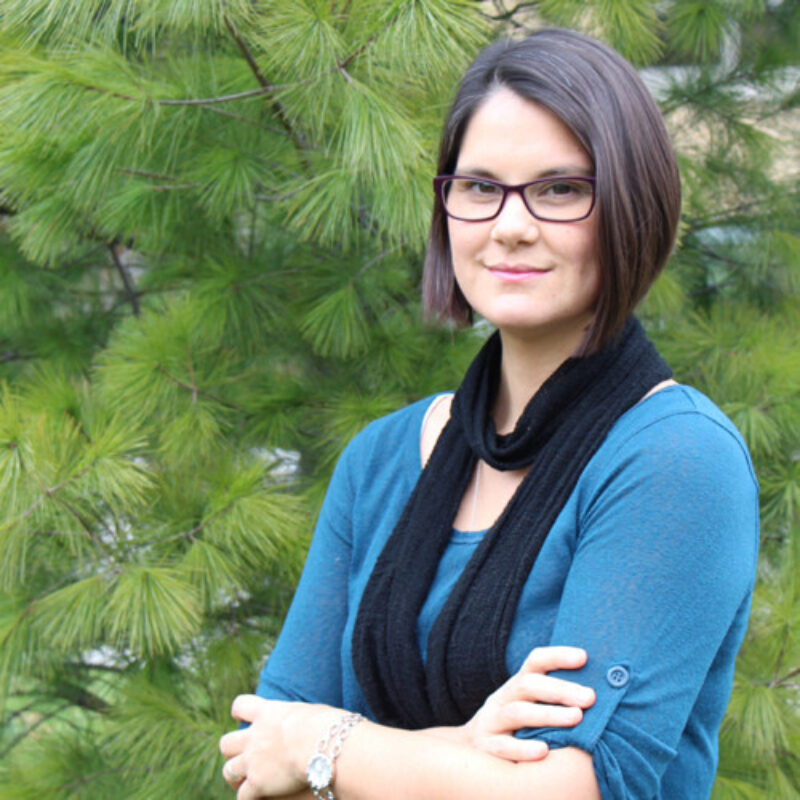
Dr. McGavock: Okay. Welcome everyone to the Emerging Scholar Podcast. It is my pleasure [00:04:00] to introduce everyone here to Dr. Jennifer Walker, who is a research scientist at the Institute for Clinical and Evaluative Sciences in Ontario, and is also a faculty member at McMaster University. Welcome, Jennifer.
Dr. Walker: Thank you. It's nice to be here.
Dr. McGavock: Can you give us an introduction to who you are and the kind of work that you're interested in?
Dr. Walker: Sure. So I'm Jen Walker, and I am an epidemiologist. I am Haudenosaunee, and I'm a member of Six Nations of the Grand River. And I did my PhD in epidemiology at the University of Calgary, and since that time have really worked to apply the methods from epidemiology and health services research with my own community and others.
Dr. Walker: So really a focus on indigenous health data and population health and epidemiology.
Dr. McGavock: Within the area of population health and epidemiology, there's many different resources that we can work with, and from my understanding, [00:05:00] most of your work has been within administrative health data or data that are collected within a health system, and then you're able to answer questions using that administrative data resource
Dr. Walker: That's right.
Dr. Walker: So a large part of what I have done to date has been with administrative health data. So that's data that's collected in the course of delivering healthcare. So if someone goes to the doctor, someone gets a prescription, someone has an emergency department visit and maybe gets admitted to the hospital, all of those healthcare encounters and services, there's a piece of data that gets stored in large databases.
Dr. Walker: Those encounters from a s- a certain individual can be linked together to get the story of that person's experience with the healthcare system, and when we use that data, we don't use it to tell individual stories of experience with the healthcare system. We bundle it all up to be able to learn about the overall experiences and [00:06:00] pathways of care, and maybe barriers to care, both the health and the healthcare system and how it's working in different provinces across Canada.
Dr. Walker: So in Ontario, which is a large part of the work that I've done, looking at data that's held at an institute called ICES, and so the data there are stored in databases that are linked together, and then we can talk about the health and healthcare system in Ontario.
Dr. McGavock: So thinking about person, place, and time within epidemiology, we will have you as an individual, although we don't know specifically who you are, but you're an encounter.
Dr. McGavock: You've seen a physician for something. Maybe that physician prescribed you a medication or that physician billed for helping you with your condition. That piece of information goes into that database, and then we get data from everyone else who was seen in the hospital that day, that week, that year, those [00:07:00] decades, and so we have this massive data set.
Dr. McGavock: The advantage of using this massive data set w- of healthcare encounters is what? Why is it attractive to you, and why are people using this large administrative data resource?
Dr. Walker: For me, really thinking about Indigenous health research, one of the reasons why it's really important for me to be using administrative health data is that the data already exists.
Dr. Walker: The data are there. They're sitting there. In a sense, they're waiting to tell us a story. They have spirit in themselves. Those data are sitting there. They tell the story of all the individuals who have a health card in Ontario, and they're waiting to tell us a story, and we just have to find the right questions to be able to draw out that story.
Dr. Walker: So the burden of collecting new data, the cost and effort of collecting new data, and the repeated demands on Indigenous communities, for example, to be able to answer questions that [00:08:00] inform research that then inform the quality of care, th- it's greatly reduced. Mm-hmm. Data's already sitting there. The data's waiting to tell a story.
Dr. Walker: So we just have to make sure that when we think about that data and when we think about the questions we ask of that data, they have to be the appropriate questions. There's a lot of technical aspects about building up cohorts from that data, about designing studies using those data that need to be considered.
Dr. Walker: We can't just think, "Oh, those encounters are neutral." They're based on experiences with the healthcare system, so we can't assume that there isn't bias built into health system data, administrative data, but we have to have our eyes open to where the biases might be, who's in the data, who's out of the data, what's counted, what's not counted.
Dr. Walker: Those are all judgments that we've made as a society in the healthcare system, and the purpose of the data collection is really about things like you said, like billing data, tracking encounters [00:09:00] in the healthcare system But it holds a lot of information that can be very useful for answering questions about, for example, some examples that I've been involved in is understanding the prevalence of diabetes across different age groups in First Nations people in Ontario.
Dr. Walker: What was very interesting about that particular project of using health services data, administrative health data, to answer questions about diabetes rates was that what we saw was the high rates at younger ages i- in First Nations people kind of prompted the community leadership that we were presenting to say, "Actually, most of our diabetes programs are for people age 50 and up."
Dr. Walker: Yeah. But all these people are living with diabetes younger than age 50, and our programs aren't really designed for that. So it prompts that kind of thinking that can then help to have self-determined [00:10:00] policy that can respond to what's happening in the data. So that's just an example to sort of say there's some really direct policy implications from the information that comes out of these studies.
Dr. McGavock: A really important part of asking those questions is they have to come from the right place and from the right people. One of the strengths in my understanding of administrative health data is we do have a very big snapshot. When you talk about prevalence rates or incident rates, it's not within a small cohort of people that have signed up for a study, it's within everyone that's been connected to the health system in some way.
Dr. McGavock: The downside is maybe it doesn't capture everyone, and one of the downsides of the administrative health data in the hospital as it stands is they don't record my race, which would be, you know, the physician's judgment. Yeah. Right. Yeah. Jon looks pretty white and Irish, we're gonna say white and Irish.
Dr. McGavock: When we talk about having First Nation identifiers, that's a huge strength of the data that's there in Ontario, [00:11:00] and the same thing in Manitoba. But that comes with a lot of important considerations in terms of self-determination and in terms of principles around data sovereignty. Can we maybe first talk about what is the advantage of having race in the dataset, and specifically First Nation or Métis or Inuit identifiers, to be able to use or to be able to link to the healthcare data that's in this repository?
Dr. Walker: Yeah, that's a really important question. So you're right. We don't, as a matter of routine practice, collect self-reported race or ethnicity in healthcare data. One step, because that data was sitting at ICES for many, many years and being used to answer questions about the health and healthcare system, uh, in Ontario, but was never really able to be used by First Nation communities to ask questions about their own health and healthcare.
Dr. Walker: At one point, scientists working at ICES were saying, "We really want to be able to [00:12:00] answer questions about First Nations health." So they started to think about ways they could possibly do that, maybe using postal code, seeing which people were coming from communities that are on reserve. There were some ideas about how to do this, and people started to actually do it, but they started to do it with their own questions without any connection or even conversation with First Nations people or communities.
Dr. Walker: It comes back to another important point that you made about who's asking the questions.
Dr. McGavock: Mm-hmm. So it was non-Indigenous people asking their own questions And non-
Dr. Walker: That's right
Dr. McGavock: So you have a settler scientist asking a que- question about First Nation people living in Ontario without even asking First Nation people, "Is this even the right question?"
Dr. Walker: Is it the right question? Is this the right data to be using for that question? And how do we understand these results in Ontario? And the Chiefs of Ontario, which is the organization in Ontario that coordinates the affairs [00:13:00] of the 133 First Nation communities in Ontario, they came to ICES and said, "What, what are you doing?"
Dr. Walker: Like, "What is happening here? Why are you using your data to answer questions about our communities without us?" And so it started a whole conversation and, you know, this dates back to y- quite early in the 2000s. The conversation began about how could we be doing this in a better way? Because looking at people's postal codes and whether they were coming from First Nation community wasn't going to answer most of the questions that First Nations leadership actually have.
Dr. Walker: And so they thought, "What better way to do this?" It began a long process of actually applying to the federal government to have the federal list of registered First Nations people transferred securely to ICES and linked to the healthcare data. So through that data linkage, we were able to [00:14:00] unlock that data to be able to use it for First Nations leadership to answer questions that were most important to them in the ways that they wanted to do it.
Dr. Walker: And so that sparked a whole series of studies that were begun through the Chiefs of Ontario answer questions about all the First Nations people in Ontario who had a Ontario health card. So it was like that linkage between the Federal Indian Register and the Ontario health cards, basically. Mm-hmm. Once that happened, that actually opened up the opportunity for Chiefs of Ontario to do that, but it's also opened up the opportunity for individual First Nation communities, uh, to answer questions or to partner with university-based researchers to answer questions.
Dr. Walker: Also groups of communities, so there's a collaboration in Northern Ontario that, that First Nations organizations that collectively serve over 70 First Nation communities that can then answer [00:15:00] questions for Northern Ontario First Nations. Yes. So it's become a real platform for First Nations data governance and First Nations sovereignty.
Dr. Walker: When that linkage began, the process of beginning that linkage of the First Nations identifiers with the administrative health data also was coupled with- The really important process of ensuring that ICES had First Nations data governance. So it began with a First Nations data governance agreement, so that the questions that are asked of the data can be compliant with OCAP principles.
Dr. Walker: And the OCAP principles are First Nations ownership, control, access, and possession. So if there's First Nations data, there also has to be First Nations ownership of that data, control of the data, access to the data, and possession of the data. [00:16:00] We have between ICES and the Chiefs of Ontario a data governance agreement, and all the processes at ICES now support the privacy and the integration of all of those principles into the way that we access First Nations data.
Dr. Walker: So it's really opened up a lot to be able to support First Nations data governance.
Dr. McGavock: And this is super important because in the past, settler scientists have come into communities Said they were going to do something, collected data, and for those of you who are not really certain about what it's like in the research space, that data is a huge commodity.
Dr. McGavock: So it could be genetic information, it could be blood samples, it could be questionnaires. The settler scientists had left the community and used that data to advance their career and tell stories and test questions that communities did not want answered and stories they didn't want told, only to advance their career.
Dr. McGavock: And so these principles have been put into place [00:17:00] to honor that original nation-to-nation responsibility so that no questions, no stories are being told about First Nation Métis Inuit that are not coming from First Nation Métis Inuit communities.
Dr. Walker: One of the things I would encourage your listeners to explore is these principles of OCAP, the First Nations Information Governance Centre.
Dr. Walker: If you go to the website of FNIGC, the First Nations Information Governance Centre, they offer a training course. Some of that training talks a little bit about the harms that have been done and continue to be done. Data is powerful. Da- especially these large databases that tell these collective stories, they are really powerful.
Dr. Walker: They're powerful in both a Western academic sense in terms of, you know... I remember very, very early in my career, someone said that First Nations data, it's almost hard to say, but the First Nations data at ICES is like sitting on a goldmine. That's how [00:18:00] people saw it. I heard that too. They saw- Yeah
Dr. Walker: databases of sick people who have accessed the healthcare system for different reasons as a goldmine. That is the kind of language- Mm-hmm ... that, the very extractive language that researchers often use and even think about- Mm ... First Nations data. It's actually really emotional to even think about that. On the other hand, this collaboration of Northern First Nations organizations in Ontario that's called Namew Ayamawen serves these communities in the North and tells stories based on that data.
Dr. Walker: The first project that they did We always talk about how First Nations research and the use of First Nations data needs to be strengths-based. Mm-hmm. We don't want to continue to tell the stories of deprivation and despair and deficit because that just contributes to feelings of deprivation, despair, and deficit, contributes to stereotyping that can be very [00:19:00] harmful in clinical settings.
Dr. Walker: It reinforces racism in healthcare
Dr. McGavock: really.
Dr. Walker: So the very first project that this group did together with ICES data, the topic actually surprised me. When they came, they said they wanted to study mortality. They wanted to study the number of people who had died from different reasons, like what was their cause of death, what chronic conditions did they have when they died, all these kinds of things.
Dr. Walker: And you think that's basically a deficit-based framing. Mm-hmm. Uh, but the way that they approached the data, the way that this group of organizations from Northern Ontario approached this data, and you can see it o- from their website actually, their final report was called Learning From Our Ancestors.
Dr. McGavock: Oh.
Dr. Walker: So they saw all these data points as their own ancestors, their own community members who had passed. This data had spirit and life for them, and it was a way that their ancestors could teach [00:20:00] them about living better in the future.
Dr. McGavock: Wow.
Dr. Walker: So it-- they had a really intergenerational and spiritual connection to the data and purpose for doing what they were doing.
Dr. Walker: So it was about using data to find the path to healing, to find the next step forward, rather than shedding a light on deficits and problems. And so it was the spirit in which they did that that really was very strengths-based and really community-driven because it was grounded in both their teachings about intergenerationality, about connectedness across generations, and also really about finding strength in their path forward.
Dr. Walker: Self-determination really.
Dr. McGavock: That's beautiful. I'm looking at a paper you published in 2018 that gives an example of how these relationships were formalized with the Chiefs of Ontario. There are four principles within your framework for working with indigenous data. The first one is data governance. How do we manage that?
Dr. McGavock: Chiefs of [00:21:00] Ontario are the stewards of the data and have a representative at the table every time. Is that correct?
Dr. Walker: That's right, yeah. There's actually a data governance committee that reviews all use of the data
Dr. McGavock: So those OCAP principles are upheld. Methodology and approaches, which you just talked about, strengths-based approaches, Indigenous perspectives on wellbeing, understanding how to interpret gaps.
Dr. McGavock: It's part of our requirements here when we're trying to get approval to work with First Nation data through our stewardship organization, which is the First Nations Health and Social Secretariat of Manitoba, that has our own ethics board. For us to be able to use this data, we actually have to get approved through their Health Information Research Governance Council.
Dr. McGavock: But does your data, does your question serve the community? Evidence to build policies and programs is key there. You can't just analyze the data. It has to serve the community in some way. And then the last one is building those ethical relationships, or I think as Shawn Wilson said, that relational accountability, that you have accountability to the [00:22:00] communities you're working with.
Dr. McGavock: And so that is wonderful. I think that's a framework everyone should be doing. The advantage for the communities of having the First Nation identifier there is why is it important to be able to compare outcomes or services for First Nation and non-First Nation people in a province with that data set
Dr. Walker: I mean, it's very interesting 'cause that what you just said, that comparison is not always the goal, right?
Dr. Walker: Sometimes it's the goal. Sometimes the goal is to say, "Is there a gap, and what is the gap we should be trying to minimize?" Like, there's a, an, like, sort of equity lens that we're putting on things, and we're saying there's inequity, and so how can we get to better equity? So that is one reason. But often there's not even a comparison.
Dr. Walker: It's more understanding who is experiencing what they're experiencing in their communities. So the question might be which age group is finding [00:23:00] injury rates? Which age group is experiencing higher than the rest of the community's injury rates, and what are those injuries about, and what can we do to prevent them?
Dr. Walker: Often as researchers, we come in expecting these big comparisons at a population level, like in- Indigenous, non-Indigenous, or First Nations, non-First Nations comparisons. But those actually set up a deficit, and that this comparison is often a very deficit framing for First Nations. So sometimes, especially when the purpose of doing the research is to explore equity and make sure that there's good evidence to have advocacy, but sometimes it's also the research is meant to explore people's experience at a population level so that there can be better programs and services rather than thinking about a comparison.
Dr. Walker: So I will say one of the other things I want to say about that particular way of doing First Nations identifiers [00:24:00] compared to asking people, if you ask people, "Are you-- would you identify as First Nation, Inuit, or Métis?" Then you will get an answer. Honestly, I will tell you, most of the actual governance organizations, like Chiefs of Ontario, many Métis nations, want to rely less on a self-identified identity And more on a membership and a citizenship.
Dr. Walker: And that's because what we're actually talking about is nationhood.
Dr. McGavock: Hmm.
Dr. Walker: We're talking about self-determination and decision-making in sort of a nation-based and self-determination way, rather than the sort of equity lens that we see people in this equity, diversity, and inclusion space thinking about the data.
Dr. Walker: So as an epidemiologist, I'm trained to think more in the equity lens. But I, you know, in the, in the school of life, I've definitely got the schooling from Yeah ... from the, these nation relationships, um, where it's really [00:25:00] about citizenship and membership. That's th- their citizens that they are helping to build policy for, that they're caring for.
Dr. Walker: So because we have a First Nation identifier that has a community, like if I showed you my status card, it would have my band number so you know which band I'm from. You actually know which family I'm from. With those numbers, we can actually do very community-specific analyses as well. So there's a lot of advantages to using that way.
Dr. Walker: Some disadvantages, obviously, is that it should come as no surprise that the Federal Indian Registry is based on the Indian Act, which is a colonial piece of legislation. Yeah. Racist legislation Right. We're building our research on as well. So there's many things to think about when you're doing this kind of work.
Dr. Walker: But for me, what's been most helpful is thinking about the frame that the partner I'm working with is thinking from. So if I'm working with the Chiefs of Ontario, [00:26:00] they're thinking about their citizens and the members of the communities that are part of the 133 First Nations that they're coordinating.
Dr. Walker: And so that's the base that really needs to be in the data.
Dr. McGavock: So the self-determination piece, Reading and Wien have said self-determination is a determinant of health. If we're looking at removing that self-determination is causing health inequities. What is self-determination? How would you define self-determination?
Dr. McGavock: And then how are we bringing that into a really large administrative health repository?
Dr. Walker: Yeah. So self-determination is really about nations like Métis, First Nations, Inuit, having the collective autonomy. So the, the whole of the United Nations Declaration on the Rights of Indigenous People, those set of rights, the foundation of that is self-determination, the right to define your own membership, the right [00:27:00] to free, prior, and informed consent.
Dr. Walker: The rights enshrined in that United Nations Declaration on the Rights of Indigenous People are all about the rights to self-determination as a collective. So it's not so much me as a First Nations citizen and person, it's a collective self-determination, and it has to do with nationhood. The way that gets brought into administrative data systems is through the two parts, the two top parts of that framework are the formalized data governance agreements and processes, and the ethical relationships.
Dr. Walker: Mm-hmm. You can't really have good- Agreements, like data governance agreements that work really well without ethical relationships. And you can't really do all of this with just a relationship and a handshake. It has to have a formalized data governance agreement. So I think when people are thinking about their own data or their own research [00:28:00] and how to make sure that First Nations, Métis and/or Inuit data governance is built in, you have to have both of those things, both the data governance relationship and the ethical relationships, and that sort of relational accountability as you mentioned previously.
Dr. Walker: And so all the examples that I'm giving around the First Nations data and the Chiefs of Ontario and OCAP, those are all very First Nations specific examples. But there are similar frameworks and ways of thinking about data governance in Métis nations and for Inuit as well. And the
Dr. McGavock: Inuit six principles for doing research were actually fascinating to read.
Dr. Walker: Mm-hmm.
Dr. McGavock: We'll put a link to that in your paper. That was the first time I'd seen that, and they're beautiful. They're- Yeah, the
Dr. Walker: Inuit knowledge. It- it's Inuit knowledge. And when we, at ICES, we were working on building a, a relationship agreement with an Inuit organization, it was really interesting to think about how we share [00:29:00] collective responsibility for the world around us and for land and things like that when we're talking about data.
Dr. Walker: It really expands your thinking. Mm. Outside of... The First Nations principles are ownership, control, access and possession. They're really about the data, and the Inuit principles Inuit wanted us to work with, much more expansive, and they're about how we relate to each other, how we relate to the world around us.
Dr. McGavock: Environmental responsibility, I think was in there. Exactly. So thinking about self-determination, when I'm trying to teach this to settlers, the one thing I'm always saying is like, "We can't ask a question about a group that we're not part of." And the power in providing that ethical space where you take a step back and you say, "Look, this data is owned by First Nation communities.
Dr. McGavock: They need to be involved and tell us how to answer these questions." And strengths-based approach is always one of the first things I teach. So I often will point to the Chandler and Lalonde paper from the late 1990s where they took a look at suicide rates and said, "Yeah, sure, you can compare [00:30:00] First Nation suicide rates between these communities and the settler community, or you can ask it through our lens of cultural continuity."
Dr. McGavock: And for me, those aspects of cultural continuity, which we can link to, but also self-determination, they're there because that's what the Indian Act and what settlers tried to steal. The only reason self-determination is a thing is because people have been oppressed. And you're basically saying, you know, "This is a human right," right?
Dr. McGavock: These are human rights that you need to acknowledge, and they've been oppressed for centuries. And so we need that self-determination in this work, and we're not gonna do it based on your rules or your need to advance your CV or your need to get a publication. We're doing these for our communities that have been oppressed.
Dr. McGavock: And so even asking those questions, either the Chandler and Lalonde paper or the diabetes, the series of diabetes papers that were published in CMAJ in 2018, was to identify, yes, there are these gaps, but look at where there's strengths and look at where what we've been taught by our ancestors for [00:31:00] generations holds up in the data.
Dr. McGavock: I find that just fascinating and powerful. Are there examples for you where when the communities are asking the questions, you see much better questions coming out?
Dr. Walker: Yeah. So one of the projects that I worked is a First Nations aging study. So a lot of the work that I do in my own research program is around aging, dementia, frailty, those kinds of concepts.
Dr. Walker: And so in this Ontario First Nations aging study partnered with the Chiefs of Ontario, and we were looking at rates of multimorbidity, so basically counting the number of chronic conditions a person has at different ages in the data at ICES. So ICES was one of three different data sources. So one of the strategies is always don't only rely on administrative health data- Right
Dr. Walker: because it will only tell a small piece of the story. One of the things that happened here is not just that the questions were [00:32:00] different, but when we got the results, we looked at the results for multimorbidity, and we saw that depending on where people lived, if they lived on reserve or off reserve, that First Nations people living off reserve had higher levels of multimorbidity, so they were generally sicker at any given age.
Dr. Walker: And at first, people were really confused. It kind of went counter to initially what we thought we would find. And we showed health directors, and they were immediately like, "Of course." Like, "You have to move if you have a chronic condition."
Dr. McGavock: Right.
Dr. Walker: Like, so- Yeah. ... it's, this, the causal pathway is not what you think.
Dr. Walker: You have to move if you have a chronic condition to access services. That is just no-brainer for them, and also because of the policy influences of the NIHB policies for how long you can have medical travel [00:33:00] assistance with a chronic condition. Eventually, you have to move to the place where you're getting your dialysis or that kind of thing.
Dr. Walker: Right. So that to them was, you know, if you did not have any connection with people working every day in First Nation communities, you may, if you were just sitting at ICES as a researcher with no connection to communities, you might be like, "Oh, people are worse off in cities. It's probably because it's harder to live in a city.
Dr. Walker: Maybe it's racism." You might think of all sorts of different things, when really there's probably some pretty obvious things that people could inform you about. So it was partly in understanding the data. Another really big thing that happened at ICES when we started working with communities along the Manitoba-Ontario border-
Dr. McGavock: Mm-hmm
Dr. Walker: was understanding how people receive services, where people seek services. People go to Winnipeg for [00:34:00] specialist appointments. So their data's not gonna be in the Ontario databases. So we started doing this project with communities right along the border, and their rates of everything were so low. We were like, "Wow, you have really low complications from diabetes."
Dr. Walker: And it took us a little bit to explore it, and they were like, "Nobody's going to Toronto for those services. They're gonna go to Winnipeg for those services." And so, these things have been really eye-opening. It's actually improved our data at ICES because we have found a way to get that data into the ICES analyses, which has been really important because every single report till that time had not included.
Dr. Walker: You know, people would just be like, "Well, they're small numbers. They wash out when you look at all of Ontario." But that matters- Mm-hmm ... for First Nation communities who are in, in remote Northern Ontario.
Dr. McGavock: I think that work that you just described, and then the work that I read about pediatric diabetes in Ontario First Nations also highlighted [00:35:00] just the degree of structural racism.
Dr. McGavock: Like, where you could say, "Oh, yeah. Well, if you're in a northern community, it's just because you're remote." No. Those gaps are there. They're persistent. If you live in an urban setting, they're there. They're persistent. You have access, you're still not getting it because the system is rigged against you. I just pulled up the Chandler and Lalonde paper so I got this correct, but it points to self-determination, so I want to go back a little bit if that's okay.
Dr. Walker: That's okay, yeah.
Dr. McGavock: Where communities said, so as an example of asking communities, they said, "Don't just compare us to settlers. Like, if we're self-determined, why don't you look at community by community the degree to which we have self-determination, and that we were living in the way we were prior to colonization?
Dr. McGavock: And so to what degree do we have claims over our own land or working within our original territories? To what degree do we have self-government, where we're not dependent on the federal government? Self-determination over health, over education, over other services. How much language facilities, cultural [00:36:00] facilities are there?"
Dr. McGavock: And the important observation for me that I share with settlers is when they flip that around and said, "Of those communities that have all six of those aspects of self-determination, what are the levels of suicide?" And they were way below the settler population. And the communities that were completely oppressed through the Indian Act and through colonization, they had the highest rates.
Dr. McGavock: So now this is pointing to a systemic oppression, number one, and number two, that Indigenous calls for self-determination and ways of living Outside of the government in that original treaty to treaty are s- very positive drivers of health in First Nation communities. A settler would never have come up with that approach, in my experience.
Dr. Walker: Absolutely. I agree with you, and I think it's this tendency we have to see settler society as the [00:37:00] standard, and we're trying to close a gap. But the gap that most older First Nations people who I talk to in my work are trying to close is the gap between their concept of holistic wellbeing and balance and health, and where communities and people are now.
Dr. Walker: It has nothing to do with g- what's going on outside. It has to do with what is truly holistic health, wellness, and balance. When we did a study, that same study where we were looking at multimorbidity, we were also asking older Anishinaabe people on Manitoulin Island what the concept of frailty might mean, and whether there's any other way we could be thinking about frailty.
Dr. Walker: And they said that every one of us just in our lives needs to have balance. And so we have a fire within us, and we have to maintain the level of that fire. Mm. It might get hotter. It might go down. [00:38:00] And you have to tend to that fire to make sure it's just the right level. And frailty was conceptualized as when that fire gets low.
Dr. McGavock: Hmm.
Dr. Walker: And that need to feed that fire and build that fire up for older people. So in the same way, it sort of has nothing to do with what's going on in settler society and whether people are having different frailty levels or how it's measured. Is it stand up and go? Is it all the different clinical, uh, indicators, all the different accumulation of deficit models?
Dr. Walker: It had nothing to do with that. It had to do with balance and a fire within. And so it's really important to s- to ground ourselves in a different way of thinking when we do this work. And in the end, multimorbidity didn't really help us- Right ... understand frailty levels.
Dr. McGavock: Right. Very powerful. And it brings up another concept of self-determination that I think is important for settlers to understand, is that this pan-Indigenous, even pan-First [00:39:00] Nations approach, right?
Dr. McGavock: 133 First Nations in Ontario, 63 in Manitoba. There are five distinct language groups. Each nation is its own, and should be asked and should be brought to the table To be, to participate if data from their nation is going to be included in this research project
Dr. Walker: If you're gonna tell the story about a First Nation, it needs to be their story.
Dr. McGavock: So maybe we could talk a little bit about what's that journey like and the process, 'cause I think that's really important, that you describe a really detailed process for how to engage the community, how to share knowledge, how to a- abide by OCAP. Maybe you could provide us with a summary of all the extra work that you do to build those relationships.
Dr. McGavock: And then I would also ask, like, how do you couch this in, within TRC Call to Action 19 in terms of measuring and closing gaps in care in partnership with First Nations? So what is this journey like for you when you're engaging with Chiefs of Ontario or patient partners who are First Nations in this kind of work?[00:40:00]
Dr. Walker: Yeah, the journey looks different with every partner. So Chiefs of Ontario, certainly we've done a lot of work and we kind of understand how their priorities might be set and how the projects work with administrative health data and Chiefs of Ontario. But it looks very different for different communities, different organizations, different places.
Dr. Walker: So there's no one way, I guess
Dr. McGavock: is the main thing.
Dr. Walker: There's no one way that this will go. And I might direct your listeners to an online course that is offered out of Queen's University. It's called Indigenous Community Partnerships. It's like an online thing where you can learn how to start these relationships, what are the important things to think about, and considerations.
Dr. Walker: When you're starting these relationships and thinking about them, they really are relationships. There's aspects to them that are different from a personal relationship where, for example, with the [00:41:00] Chiefs of Ontario, the detailed process where if I, as a researcher, am interested in a topic and I want to apply to use the data, it's me as a researcher, I have to apply through a process that goes to a data governance committee.
Dr. Walker: I have to answer questions on a form that say how I will respect ownership, control, access, and possession. I can't even do that unless I have the right relationships. I can't answer those questions well. I need to already have built those relationships and have a sense of how we want to work together and what those questions are together before we can even begin the process of working together People often ask me, "Well, how do we even start?
Dr. Walker: Like, I want to do indigenous research, I want to work with indigenous people, but I don't even know how to start." And it's a very personal journey- Mm-hmm ... to be honest. It's not just a professional journey. It's a personal [00:42:00] journey of understanding yourself and where you come from and, you know, looking at yourself and questioning.
Dr. Walker: But it's also a little bit about if you had an idea, you're gonna come, we're gonna do this, you're gonna come, and there's gonna be other people there too. I want you to meet them all. Yeah. I want us to all agree on one thing. We're all gonna do it together. Yeah. And so this is the time, this is the place.
Dr. Walker: Show up. You're not gonna know the other people, but we're doing this.
Dr. McGavock: Yeah. It's
Dr. Walker: gonna be great. You relationship, you talk about it. You learn about what the person likes. You decide together, and it's just so intuitive, um, when you think about planning with people you know. But it's harder to think about when you think, "Okay, well, actually I just need to go and listen for a while.
Dr. Walker: I need to go to the Chiefs of Ontario Health Forum," not with an agenda, but with actually just going to hear about what the priorities are, going to listen to what the priorities are, and, and, and learn and listen. And, and not so much just for your own benefit and gaining, [00:43:00] but just so that you can start to, to understand how those relationships work and how, how you fit into that world.
Dr. Walker: The most shocking thing for me is when students approach me by email and say, "I took a course. I know I can be helpful. Like, I have an idea. This is the project I wanna do. Do you have a community partner I can work with?" And it surprises me, but it takes a long time to build up those relationships.
Dr. McGavock: Mm-hmm.
Dr. Walker: And at this point, uh, and, and probably for most of the work that I've done, almost none of it has been my idea, you know, like, that I'm bringing to the relationship. It happens naturally. It happens together.
Dr. McGavock: It's so hard as a settler to go into this space because we always come in with an agenda. We're always time driven.
Dr. McGavock: It's so hard to walk in there and let go of your power and just say, "I really wanna know." And the- we didn't talk about CARE and FAIR principles, but maybe I'll, I'll link that in there, but the C in the CARE and FAIR is [00:44:00] collective benefit. And I think at this stage, I think we should just be invited. As a settler, you should be waiting for the invitation.
Dr. McGavock: You shouldn't be pushing questions on communities until they come to you and say like, "I have a question." To be honest, that's kind
Dr. Walker: of- And be present. Like, you can be present. You can be around. Be around so people know that you're there to ask, but coming in with your own agenda and your own questions is just not the way to start those relationships, for sure.
Dr. McGavock: Understanding the cultural practices of the community, whether you're bringing tobacco Which is okay in some places, maybe not okay in others. Having a meal, which is okay pretty much everywhere. Yeah. Spending time in the school, playing with kids, being a human and showing them that you care. When people speak, you're not only listening, you're creating the space to say, "Look- We're gonna w- walk on this journey together, and there's no agenda, there's no timeframe, there's no limits.
Dr. McGavock: We're gonna figure out where this goes. It's tough to
Dr. Walker: start that process And I recognize for residents, for students who have to have an agenda, they have [00:45:00] their own goals and timelines for projects, but it really has to... There's not gonna be a way that it works to come in with that approach. Yeah. So it really has to be a bit more natural.
Dr. McGavock: And so for residents who are thinking about timeline, where is this going? I've seen so much growth within the partnerships we work with at First Nations Health and Social Secretariat in terms of resources and capacity. The work you're doing, it's just getting bigger and bigger and better. Where do you see things going?
Dr. McGavock: And if you're a trainee in this space, what should we be looking towards in terms of First Nations health data?
Dr. Walker: Yeah. And you might have some learners who are not in either Manitoba or Ontario, and know that similar things are happening in your region.
Dr. McGavock: And you're... For sure.
Dr. Walker: This is happening. Um, so on the sort of administrative data side, an organization to look to would be the Health Data Research Network, like the Manitoba Centre and [00:46:00] ICES are both sort of member organizations of this organization called the Health Data Research Network, helps to do some national thinking about how administrative data can be used to advance health equity, how administrative data can be used to advance indigenous data sovereignty.
Dr. Walker: The First Nations Information Governance Centre has a funded strategy across the country right now to build up the capacity for regional First Nation Information Governance Centres. The work is happening, like nobody's sitting around waiting for academics to make it happen. The work is happening. What we need to do is find a way to walk alongside it, to not interfere with it.
Dr. Walker: One metaphor that I often think about is this idea of the water is flowing, it's already happening. We can help by getting rocks out of the way, not by directing the river and where it's gonna go, not by crashing our way into it and saying we wanna swim in here too. Like, we have to make space for First [00:47:00] Nations to lead in the way that they want to use administrative data, incorporate that into the broader picture of understanding health and wellbeing.
Dr. Walker: Have a look at what's happening in your region. Have a look and understand there's conferences happening. There's lots going on- Mm-hmm ... where you can go and you can learn, and you can see more naturally how you can be helpful in those spaces. Also, you know, you can, in those spaces, often start to understand who are the trusted clinicians and scholars working with First Nations, Inuit, or Métis- People, because they might be the ones invited to speak.
Dr. Walker: You might be speaking about projects that they're collaborating with, those academics and clinicians and scholars, and they may or may not be indigenous themselves, but they might be the ones who are most actively have already learned this, where you can seek out that learning as well.
Dr. McGavock: Hopefully they're presenting with a community partner or their First Nation co-PI, co-researcher on stage.
Dr. Walker: Yeah. I [00:48:00] mean, at a First Nation conference, usually that would be the case. Yeah. But you, you do never know.
Dr. McGavock: Yeah.
Dr. Walker: That's true.
Dr. McGavock: And there are wonderful groups working in Alberta that I'm familiar with, in Quebec that I'm familiar with, Bonnie Healy, Nancy Gros-Louis McHugh, amazing people. I'm not familiar with everyone outside.
Dr. McGavock: I know First Nation Health Authority in BC is doing amazing work. Absolutely. And yes- Yeah ... find the groups that are doing it the right way, and start by listening and start by learning.
Dr. Walker: Next week is actually a global gathering for the Global Indigenous Data Sovereignty Alliance- Oh, yes ... the GIDA. Yeah. And they are meeting in Canberra.
Dr. Walker: I think it's been 10 years since they put out their Indigenous Data Sovereignty initial thoughts. We came up with the CARE principles a few years later, and this is another big milestone. Mm. I think there are quite a few people from Canada, from First Nation Inuit and Métis communities across Canada who will be there.
Dr. Walker: So keep your eye open for something coming out of the Global Indigenous Data Alliance.
Dr. McGavock: [00:49:00] Awesome. I will put a link to that. I know for sure there's a house full of Indigenous scholars from Manitoba, and they're- Wonderful ... really looking forward to it. Thank you so much. I think this is really important work.
Dr. McGavock: As a settler Canadian, I'm honored every time I get to meet with and work with and speak with First Nation leaders, Indigenous leaders. So thank you very much for helping me on my own journey and for helping other trainees here on their journeys. And if you are interested in this space, I know when I apply for a grant, if I'm working with a First Nation community, I have to write one to two pages about the work that I've done as a settler to make sure I'm doing this work in the right way.
Dr. McGavock: Maybe the thing that I might say to residents who are also settlers is you have to start your own journey on your own work. That includes doing Indigenous cultural safety training, interrupting Indigenous-specific racism, and spending time in community and showing you can do this in the right way. I'm sure there's similar things in Ontario and Quebec and Alberta, Saskatchewan,
Dr. Walker: BC.
Dr. Walker: That's really helpful guidance, I think, and thank you [00:50:00] for inviting me, and this has been a really great conversation, and I appreciate your positionality and your allyship in this. Thanks for giving it space.
Dr. McGavock: Thank you, and I look forward to seeing you in person at some point at one of these conferences
Dr. McGavock: The work is happening. We need to find a way to walk alongside it. Wow, powerful words from Dr. Jennifer Walker. What strikes me most about Dr. Walker's work is how it fundamentally reframes what good research looks like. Not just good research with Indigenous communities, but good research, period. This isn't just about adding Indigenous people to existing datasets.
Dr. McGavock: It's about reimagining the entire research process from the ground up, and doing so not with a community-based participatory action approach, but also with administrative health data, which I don't think many people have considered when they think about bringing the principles of Indigenous data sovereignty and Indigenous research process [00:51:00] to their work.
Dr. McGavock: We talked today about the technical side, how linking First Nation identifiers with administrative health data opens up new possibilities for understanding Indigenous health in Ontario. But the real story is about who's asking these questions. For too long, researchers who weren't First Nations were the ones driving the questions, designing the studies, interpreting the results.
Dr. McGavock: We talk a little bit about Dr. Walker's groundbreaking CMAJ papers on diabetes prevalence and access to health resources, and how it shifted the template for how we do this kind of work. One where First Nations communities leaders weren't just consulted, they were true partners, co-researchers from the very beginning, shaping what the study was and why, interpreting the results, and sharing it in a way that was meaningful to communities.
Dr. McGavock: This is what a nation-to-nation relationship looks like in the research process. It means Indigenous communities have self-determination over every aspect of the research process, not just participating in studies. It means following OCAP principles: ownership, control, access, and possession. [00:52:00] CARE- fairness principles alongside that to ensure collective benefit, authority over control, and most importantly, responsibility.
Dr. McGavock: What responsibility do we have to the Indigenous communities that we serve? We heard powerful examples of what this looks like in practice. In Dr. Walker's aging and multi-morbidity work, communities didn't just help design a study, they shaped the interpretation. We reminded ourselves of the important groundbreaking work of Chandler and Lalonde, where we found that cultural continuity is a path forward to preventing suicide in First Nation communities in BC.
Dr. McGavock: If you were here to learn more about Dr. Walker's work or understand a little bit more about administrative health data, we hope that you enjoyed it. We will put a link to all of her publications that we talked about today and her work on the ICES website, as well as her link at McMaster. If you want to follow her work related to Indigenous data sovereignty and health equity, those links are the first place for you to start.
Dr. McGavock: And if you haven't listened to our previous episode with Dr. Benchimol on administrative health data, please go back and have a listen. It sets the foundation for understanding just how [00:53:00] transformative the work that Dr. Walker is actually doing If you enjoyed this episode with Dr. Jennifer Walker, please come back next week for an exciting part three of Administrative Health Data where we dive into natural experiments.
Dr. McGavock: We'll be talking to a young emerging scholar, Dr. Claire Boone out of McGill University, to explore how she uses administrative health data and natural experiments to help reshape the way we see policies, the way we see clinical practice, and the way that we can actually study important clinical questions using administrative health data, using very novel and exciting tools that come out of behavioral economics.
Dr. McGavock: We look forward to seeing you next week on the Emerging Scholar Podcast
Dr. McGavock: The Emerging Scholar Podcast was recorded in the UMFM studios located at the University of Manitoba in Winnipeg, Manitoba, Canada. This is Treaty 1 territory, the original homeland of the Anishinaabe, the Ininew, and on the national homeland of the Red River Métis. [00:54:00] Manitoba is also homeland to the Anishininew, the Dakota Oyate, and the Dene peoples.
Dr. McGavock: We acknowledge that our water is sourced from Shoal Lake 40 First Nation. As a settler scientist working in health research, I acknowledge TRC Call to Action number 18, that health inequities between Indigenous and non-Indigenous people are the direct result of colonization. Winnipeg is the center for reconciliation in Canada, and where we are speaking from today is at the crossroads of Canada's history and Canada's future.
Dr. McGavock: We are three kilometers away from one of the most sacred meeting grounds for Indigenous people on the plains and within Turtle Island. We are also several kilometers away from one of the last residential schools in the province. We are working collectively on reconcili-action with youth, elders, and community leaders to heal from the trauma of colonization, past and present, honor the original treaties, and create a Canada that addresses and eliminates the inequities and injustices of the past [00:55:00] and present to create a future for Indigenous children to live and thrive.
Dr. McGavock: On behalf of the team at the Emerging Scholar Podcast, we want to thank Osani Balkaran for the great production for our opening and closing themes. We also want to thank UMFM 101.5, especially our executive producer, Jared McKetiak, for technical assistance and production on this project. We also want to thank all of our guests for the discussion and the insight that they've provided.
Dr. McGavock: Once again, thank you for listening. Be sure to subscribe to the Emerging Scholar Podcast on Apple Podcasts, Spotify, and umfm.com.